For a while now, I’ve taken some issue with the use of the word take when it comes to describing the making of photos. After all, we don’t take photos. We make photos in collaboration with the camera and the environment. It’s pedantic, I suppose, and it doesn’t truly bother me when someone uses the term. It’s just a word I try not to use.
The other bothersome term is shooting photos. The camera isn’t a gun, is it? Maybe I’m just a bit cranky because I’m not feeling the best at the moment!

So, why do we make photos? Why do we use cameras? What is it about photography that keeps us coming back for more? I can only speak for myself of course.
Photography allows me to see the world differently. It’s not always relaxing, as I might be prioritising Aperture values and the exposure over framing a scene, but when I see something that speaks to me, it feels as though I can frame it and place a focus on it to remind myself of details in the world that we often miss. It can remind others too.
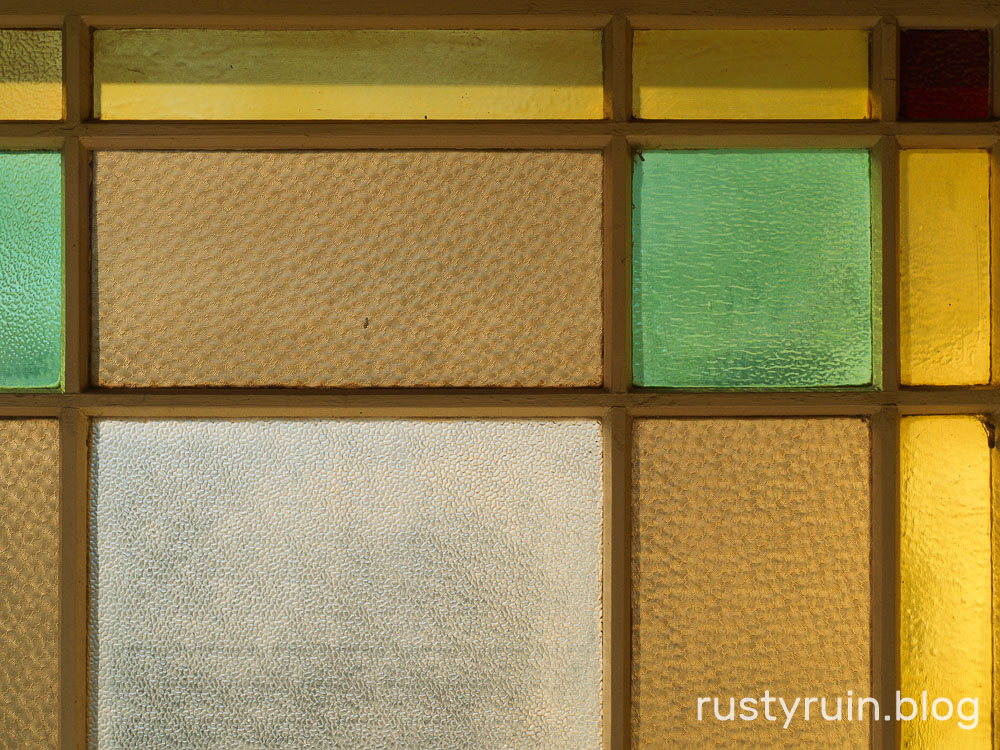
Susan Sontag once said that photography is a voyeuristic activity that removes us from the meaning of events and diminishes their importance. I can see merit in that thinking even if others think of it as inflammatory. When behind the camera, how close are we to the events around us? Arguably, we immerse ourselves in a scene more fully when we focus on it through the lens, but the goal is also to frame that scene in a specific way so it follows the rules we deem personally important – rule of thirds, art of photography, light and shadow, marketability, appeals to social media followers, and so on. A photograph may have an audience with their own set of values. In this sense, a photo is like a cut-out of a small part of the world, presented for viewing and criticism.

Consider the photo above, for example. Is it voyeuristic? The photo of a home, possibly abandoned, but likely still owned by someone, is a deliberate cut-out of the entirety of the home that creates a separate reality. What does it say? What was my intention in making the photo? Am I merely highlighting the abandonment of buildings where people once lived and loved? Am I doing so callously and without regard for those who may still live there?
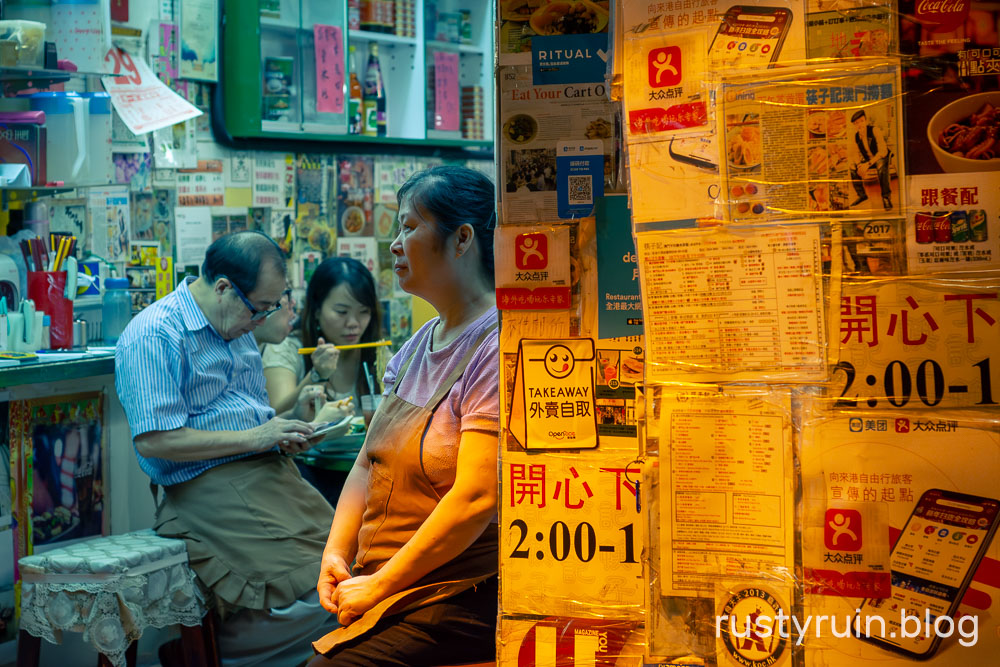
Street photography has a long and rich history of provoking thoughts along these lines. Is it ethical, for example, to make photos of vulnerable people on our streets? In some photography classes, it’s made clear that photographers are best-advised to ask for permission first. Yet, there is nothing surer to diminish spontaneity than to create a contrived street scene through such permission seeking.
If we are to document human life across a wide range of experiences through time, then street photography is an important tool. The photographer may, at the time, be vilified for lacking ethics, but as time relentlessly moves forward from the event, new audiences may view those photographs as historical artifacts. Perhaps there is no right or wrong in these cases – merely changeable thoughts and beliefs that drive culture.
Discover more from The Rusty Ruin Journal
Subscribe to get the latest posts sent to your email.
 The Rusty Ruin Journal
2 thoughts on “Making photos or taking photos?”