Zebra, Giraffe, and Meerkat ~ a tour of Altina Wildlife Park

Just down the highway from Darlington Point is Altina Wildlife Park. I admit that zoos and wildlife sanctuaries, private or public, present something of a dilemma for me. I am wholly in favour of conservation efforts when it comes to endangered animal species – though many such travesties are due to human activities. I understand there might be scientific and educational aspects too. Yet, I also can’t shake the feeling that there’s a commodification of animals happening.

Not only do zoos cage exotic animal species that are endangered in the wild, they also often display other species that face no threat of extinction at all. Is there a reason a common Cockatoo or Dingo might be caged other than to simply complete a menagerie for an audience? It might be argued that increased ticket sales support further efforts in conservation, of course. True, perhaps. I’m no expert in these things, other than to relate some vague feelings and thoughts that gnaw at the edges of mind.

Still, a tour of the large back pastures of the park did draw my attention to numerous amimals I’d not seen before – most notably the African Painted Dog and the long-legged Maned Wolf (a curious canid omnivore with a sensitive stomach and a delicate diet that walks in the same manner as a Giraffe – both right legs, then both left legs, and so on).

Despite the promise of the above words, I have no pictures of these exotic creatures, partly because I don’t like steel cage wire in my photos and also because I’d not packed the fastest camera in the world to acquire focus and record unpredictable animal movements. Yes, I could have switched the camera to a high-speed recording mode, but the heat of the day clearly melted my problem solving skills.

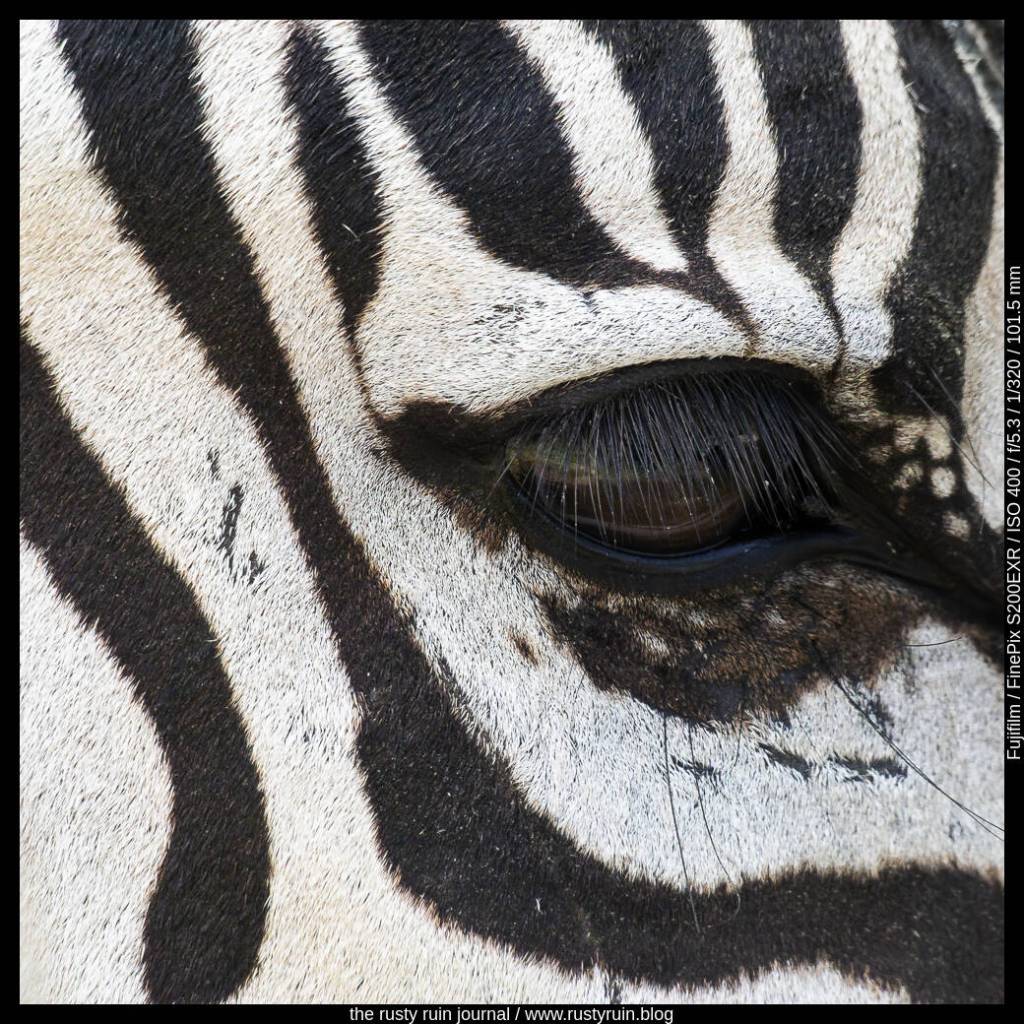
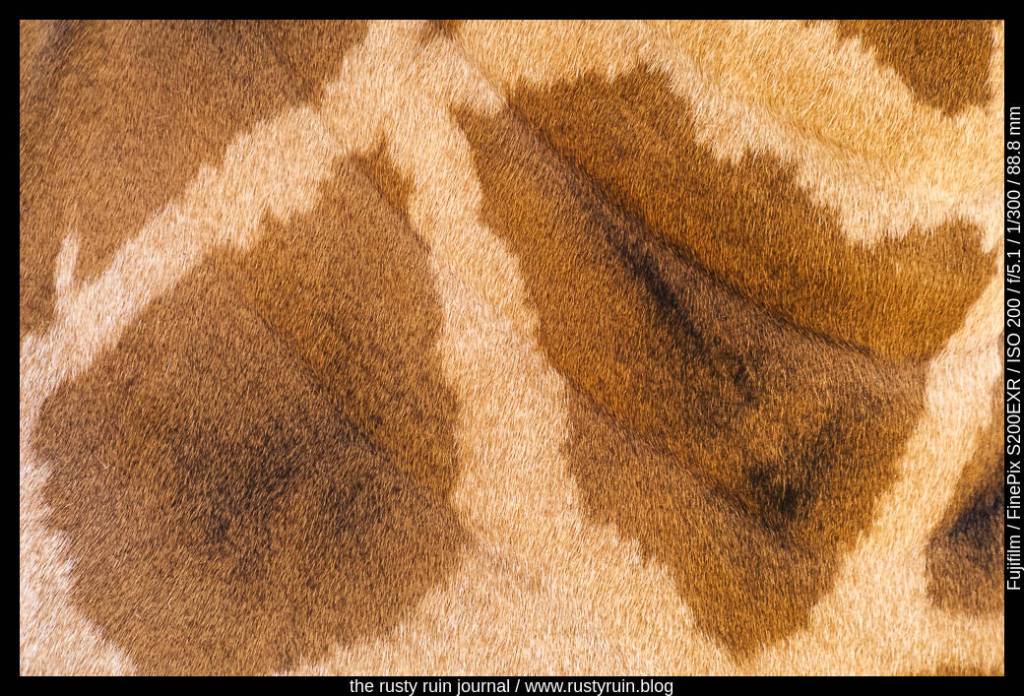
Instead, I give you a handsome Meerkat, and some closeups of a Zebra and a Giraffe – not overly exciting, I know:
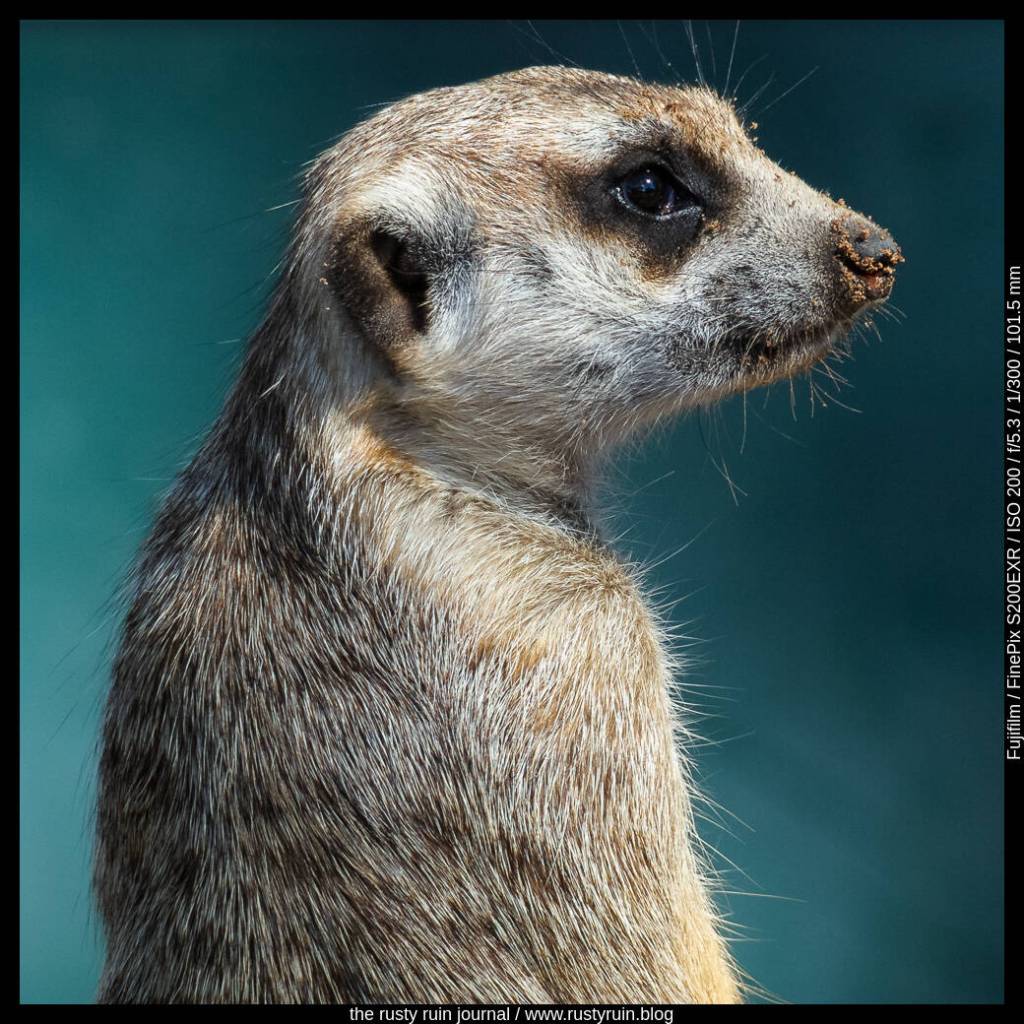
Meerkat alert
Zebra’s Eye
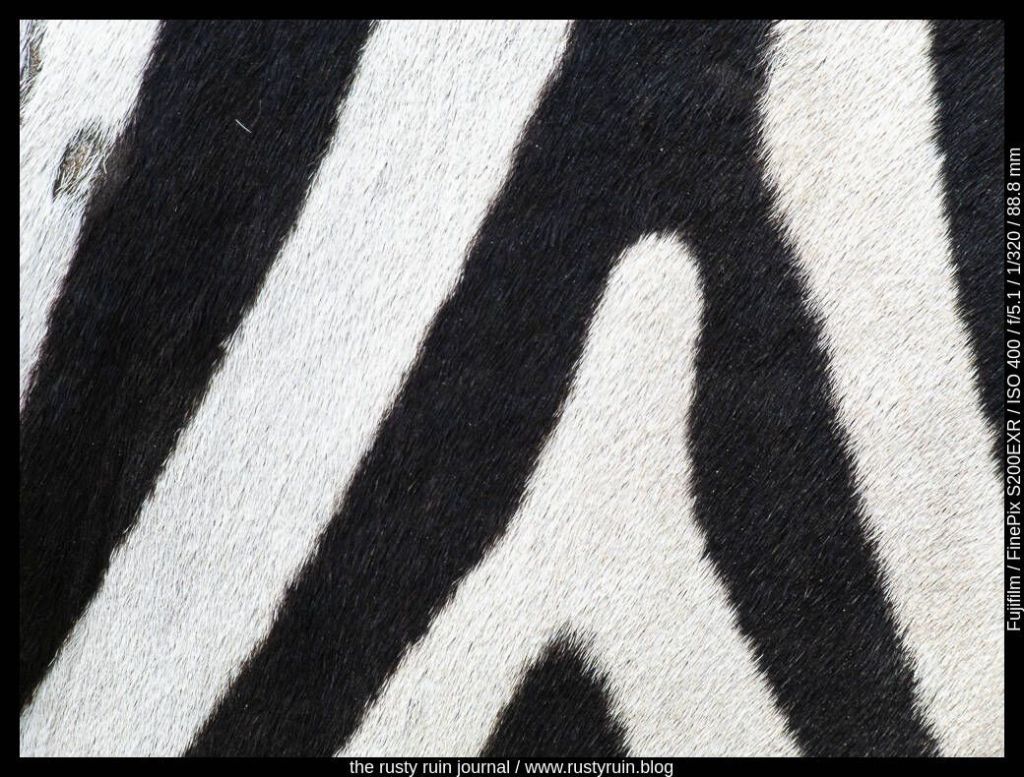
Zebra fur

Apparently, Zebras are considered one of the most dangerous animals by zookeepers. People tend to get fooled into a false sense of security, thinking they’re just friendly horses with stripes. They are, by all accounts, very skittish and don’t mind kicking anything that freaks them out to death, zookeepers included.
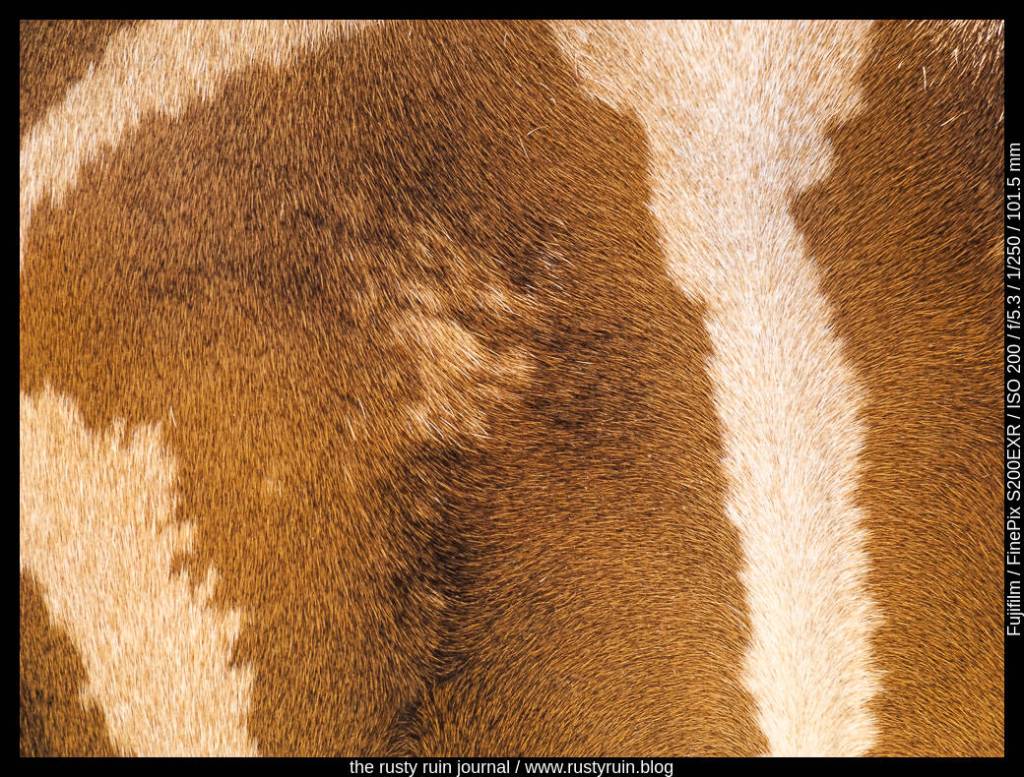
Giraffe fur #1
Giraffe fur #2

Giraffes, on the other hand, are quite gentle. We were taken to see both the Zebras and Giraffes and could hand feed them apple and carrot slices – the flighty Zebras only through the wire, of course. This was all part of a purchased package that permitted us exclusive up-close access to some of the animals. It was actually great to see them this way.

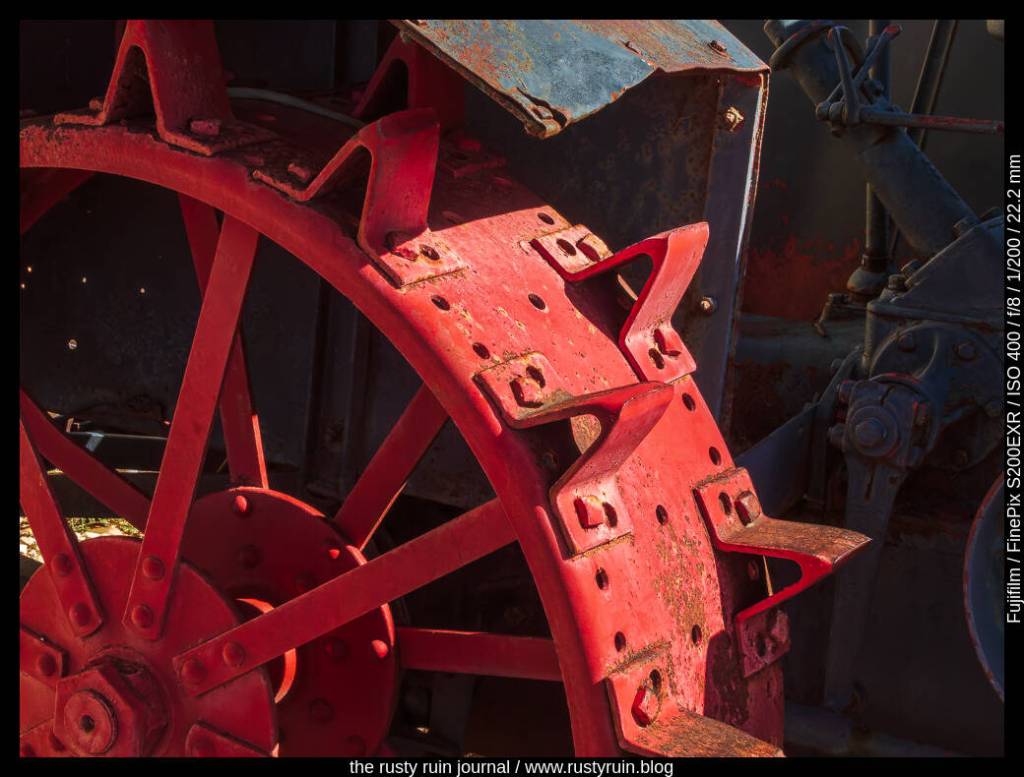
Some machinery never seems to tire

If only the machines of war would exhaust and collapse. Of all the things we’re good at, it seems that war is the thing we’re most committed to perfecting as a species. After all, entire civilisations are built upon the sundered ruins of the vanquished and the displaced. There’s no point in hiding it. Despite our lofty achievements, it’s the tireless machinery of war that seems to power the forward momentum of human civilisation. Or so it seems…

I despair…

Farm machinery – Finepix S200 EXR

Wars are easy to start but never easy to finish. It’s harder yet to manage the consequences. Nations and civilisations may be destroyed and created under fire, but we continue to be slaughtered under the watch of smug billionaires, delusional leaders, and corrupt statespeople who funnel money into filthy pockets while cheering on the carnage.

The beliefs that drive war are as illusory as the power structures that support it, yet we fall for the charismatic snake-oil salesperson who offers simple answers to complex questions – as though simplicity taps into our need for control in a world we know, deep down, we can’t control – in a universe that terrifies our mortal core.

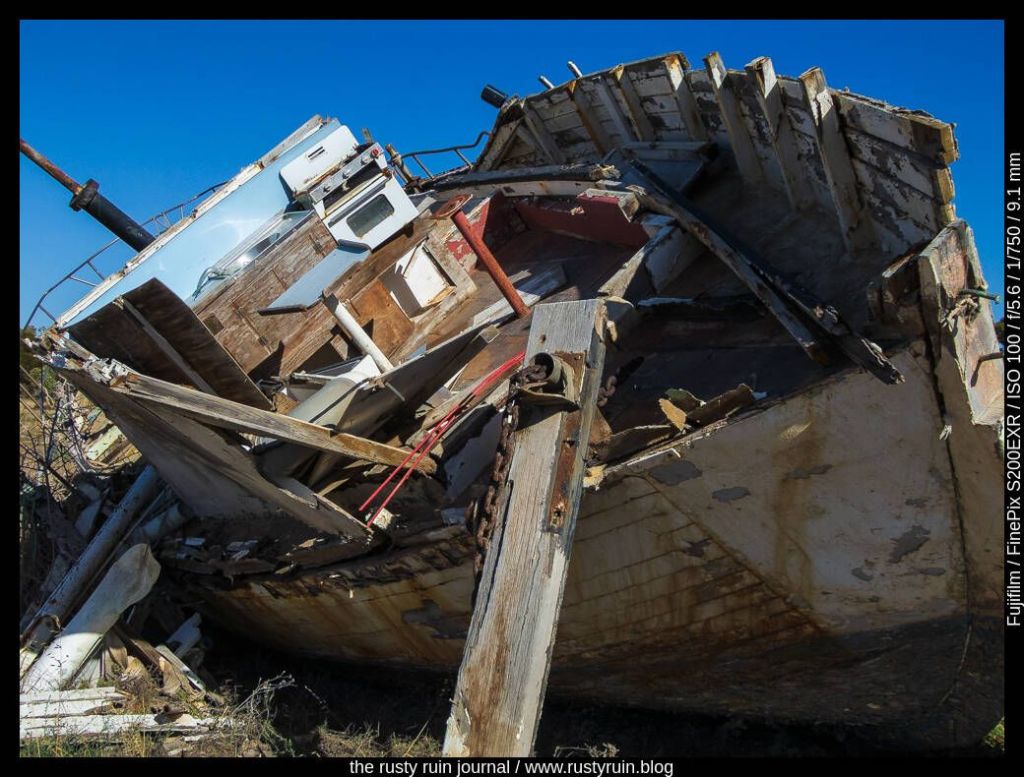
Run aground

Just imagine – a person so rich they need not worry about their next meal for the equivalent of thousands of lifetimes. They are so divorced from the common current of daily humanity they lack the meaning that adversity generates. With insides like a dark abyss, they suffer extreme boredom. To alleviate the boredom, they indulge in games of power, status, accumulation, and cruelty. They are weak-minded, emotionally stunted, and psychologically defective. They are wrecked ships run aground on the island of hollow souls.

These are the people who should never be allowed near power, but are the ones who seek it most strongly. And, as the ancient Romans always understood, the leaders backed by the soldiers always have the power.

A view through a lens of a dream far away

Much of human history is a relentless lesson in how often we succumb to the lure of corrosive beliefs. The illusion of nationhood turns quickly to the poison of patriotism ~ small minds warped by politicians and billionaires seeking votes or power or dominion over poor lives so disenfranchised, so crushed beneath dull meaningless work in the small hours that they look for any simple answer to complex problems – even if those simple answers are bloodthirsty and divisive.

George McGovern, the late American diplomat, historian, and politician, once said:  “I’m fed up to the ears with old men dreaming up wars for young men to die in…” – that quote seems all too familiar, like a broken record, and all too relevant in 2026, as the skies over the Middle East blacken with missiles, smoke, and drones. This ancient region, once home to the great Achaemenid line of Persian Kings, is on fire once more – just as Alexander’s soldiers set fire to Persepolis in 330 BC. It’s a place I’ve wanted to visit since I was a teenager. I’m not sure I’ll ever have the chance.

And so, I vainly edit photos from my Nikon Z5 and remember that even though the skies are clear and blue in my view, the skies are dark and violent for others.

Clear skies for miles

Manual Mode or Die! ~ the race to prove oneself

If you hang around in online photography forums, especially where beginners flock, you’ll come across people proclaiming that the best and only way to really learn photography is to set the camera dial to Manual Mode and endure the suffering until it makes sense. I think this is one of the worst pieces of advice that anyone can give to a beginning photographer!

To be clear, I’m not suggesting that Manual mode is bad or inferior. Of course it’s not. Some beginners might even learn well by pushing through the disappointment of fumbling with sweaty command dials whilst missing photographic opportunities. It’s just one way of learning, and everyone learns differently.

Through the busted window I see – Nikon D200

In fact, I heartily recommend Manual mode and night photography to any beginner who wants to learn all about the role of light in photography and how it can be controlled through shutter speed. What I object to is the stubborn declaration by some photographers that Manual mode is the Holy Grail and will enlighten even the most confused beginner. Let me tell you, setting that dial to M is more likely going to frustrate an eager beginner and turn them sour.

Learning about the exposure triangle – how Shutter Speed, Aperture, and ISO interact to control light – is essential in the journey, but it’s not a mad race to the finish line. Rather than stopping stubbornly at M and staying there, set the camera to Aperture or Shutter Priority mode and take the gentler path. There’s no shame in using any of these modes. Set it to Auto or Program mode, even, and concentrate on developing the eye and the imagination and living in the moment. There’s NO rule that states a photographer must use Manual mode all the time, every time. Cameras are tools that provide options and we use the best tool for the job to produce a result.

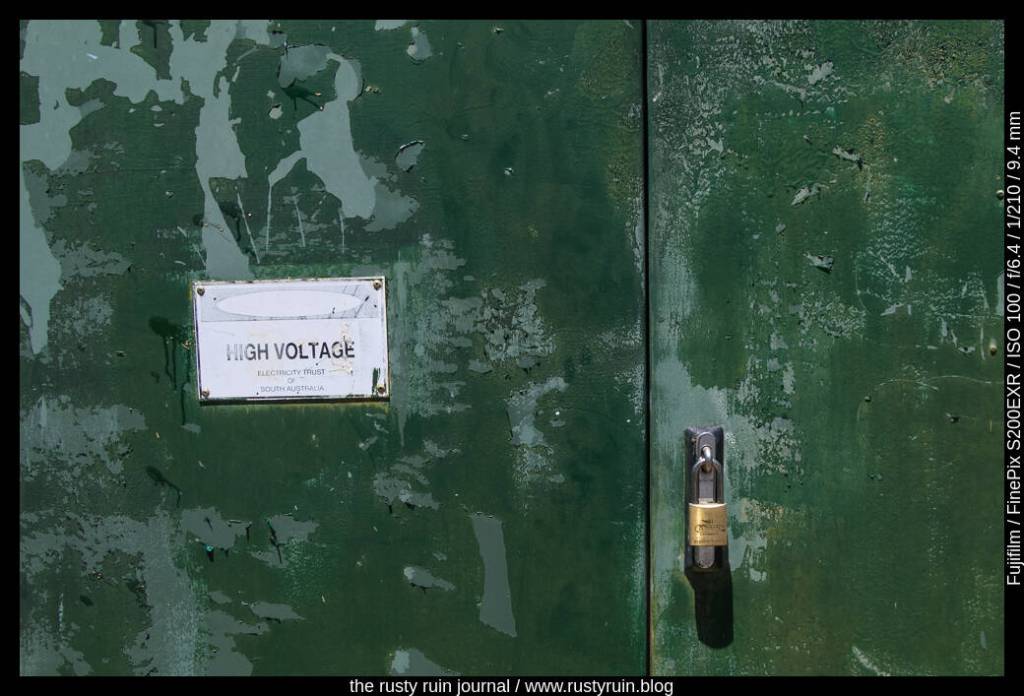
High Voltage – Finepix S200EXR

Photography is about more than gear. It’s about more than the money you spend. It’s about more than how sharp a lens is or how proficient you are at reading a light meter – and lets face it, insecure ego-driven types who are stuck in M are likely still glued to their camera’s inbuilt light meter anyway – even old film professionals use a light meter as a starting point.

The truth is that lots of mediocre photographs are made in all camera modes. There are people obsessed with sharpness and eradicating all digital noise, but forget that an interesting composition is key. There are also people justifying the thousands spent on gear, hoping their next pro camera body purchase will make them a better photographer. Let me tell you something: if you make mediocre photos on a 16 megapixel camera, that 45 megapixel camera on the shop shelf isn’t going to suddenly make you better. Getting better is not just about becoming technically comfortable. It’s also about learning to see the world differently.

Pocketable plastic fun and the Nikon D200 ~ a day on the coast with two cameras

The Nikon D200 and the Kodak Charmera – two very different cameras on the surface. The D200 is built like a magnesium-alloy tank and the Kodak Charmera is a tiny plastic toy. There’s no comparison when talking about image quality, of course, yet I continue to return to the fact that we can freeze time through the use of these devices, whatever their technical limitations.

The act of making a photo has become so culturally habitual – so intertwined with commerce and self-promotion – that the initial magic has long since been lost. We’re a long way from the very first photo made ~ “View from the window at Le Gras”.

California Surf – Kodak Charmera

It’s strange to think the toy Kodak’s 1.6 megapixels features vastly more resolution than the very first photo made using a camera obscura over an 8 hour exposure time. Marked in technological milestones, human lives seem small. Our lives seem smaller still when we pick up to examine even the dullest stone that lies at the foot of a worn hill that was once a mountain.

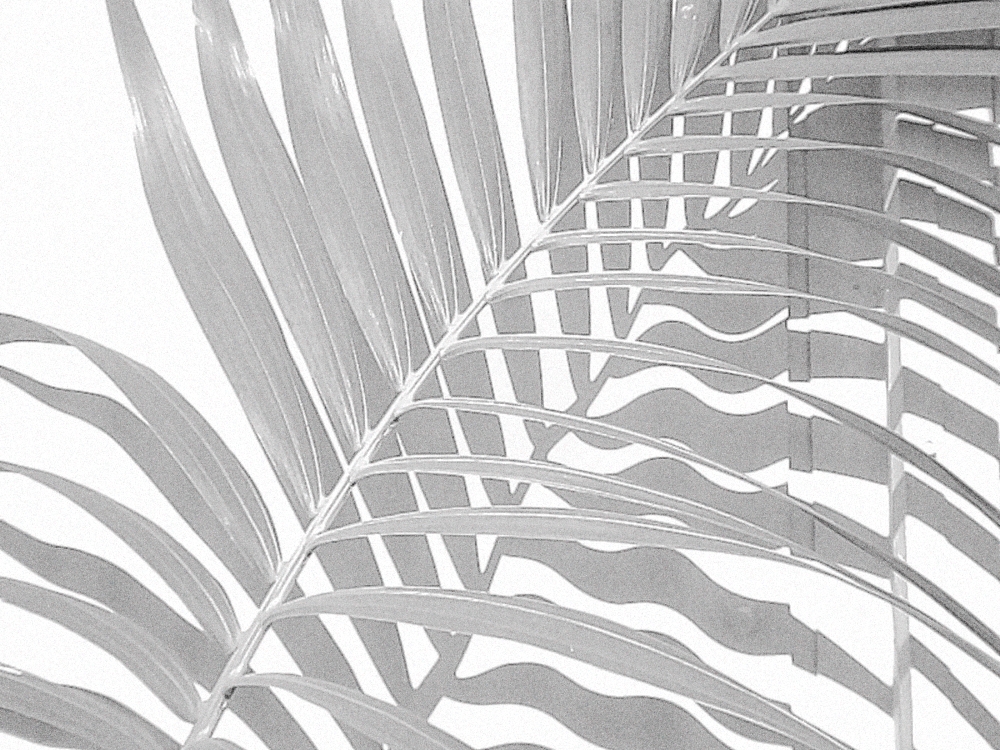
Fern in high-key – Kodak Charmera

In colour, the photo above is washed out and the highlights burned beyond editing. In black and white, the photo becomes a small study in shape, direction, pattern, and shadow, with a high-key aesthetic. It was a single moment seized as we ordered food.

Exploring the wreckage – Kodak Charmera

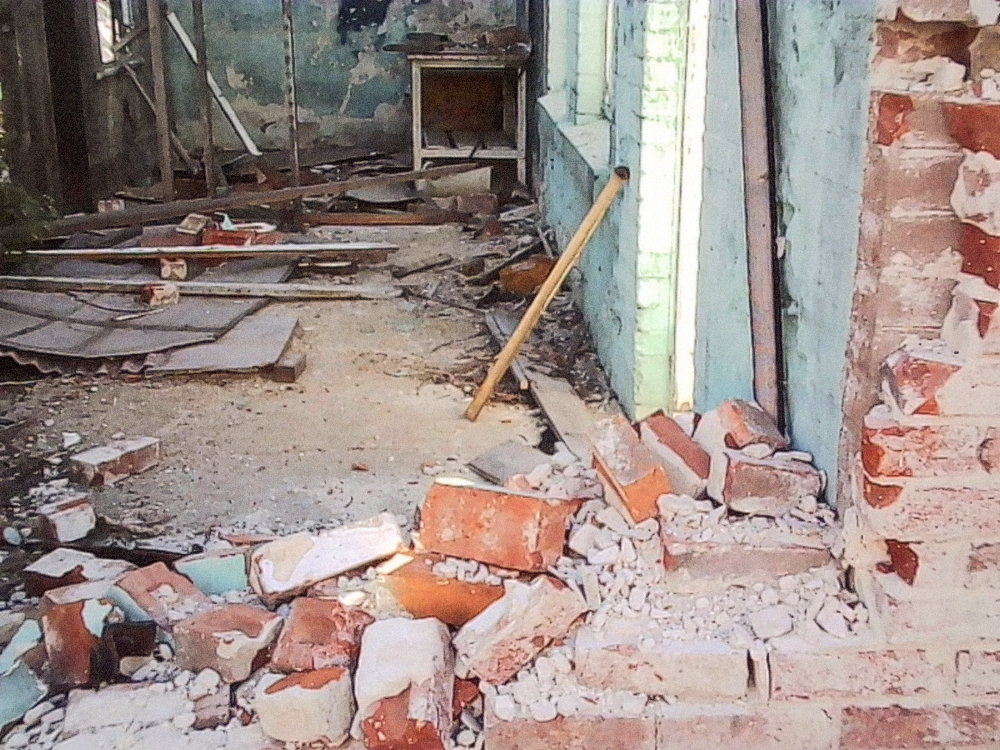
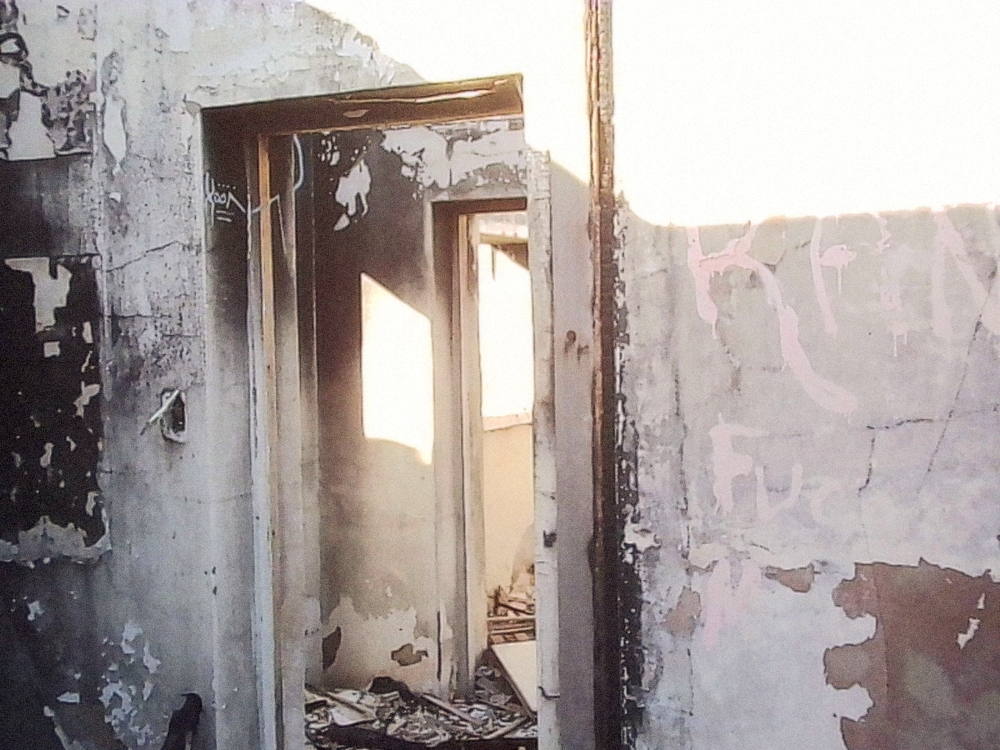
We chanced upon a burned out ruin. I walked around fallen red brick and charred wall cladding, immersing myself in light and shadow.

Ghosts in broken rooms – Kodak Charmera
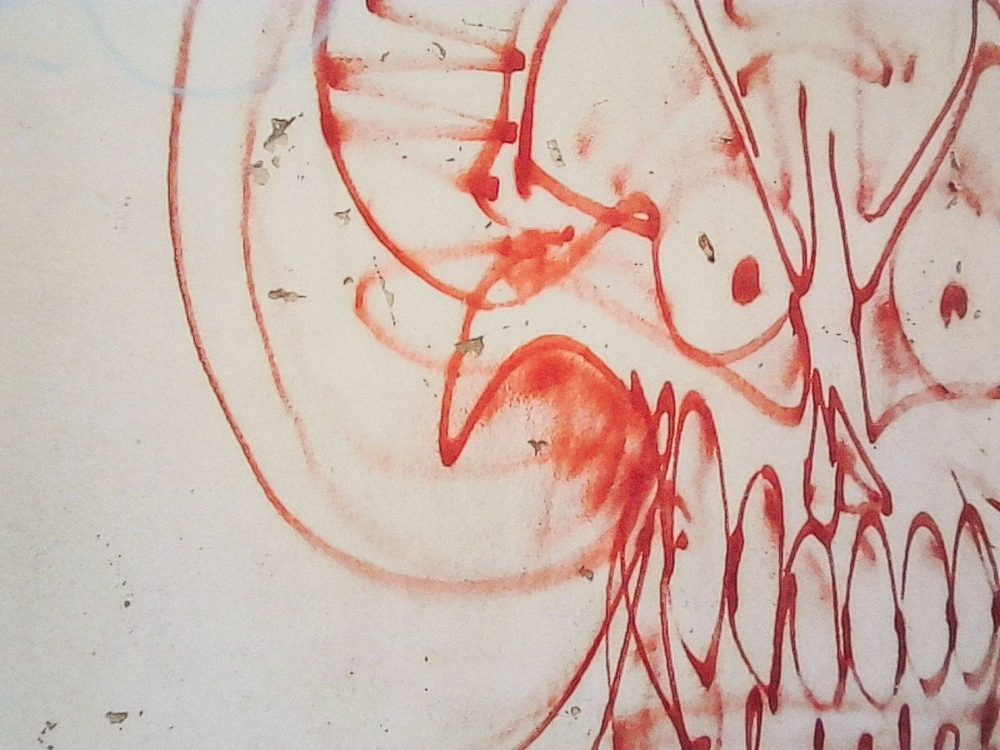
Angry scrawls – Kodak Charmera
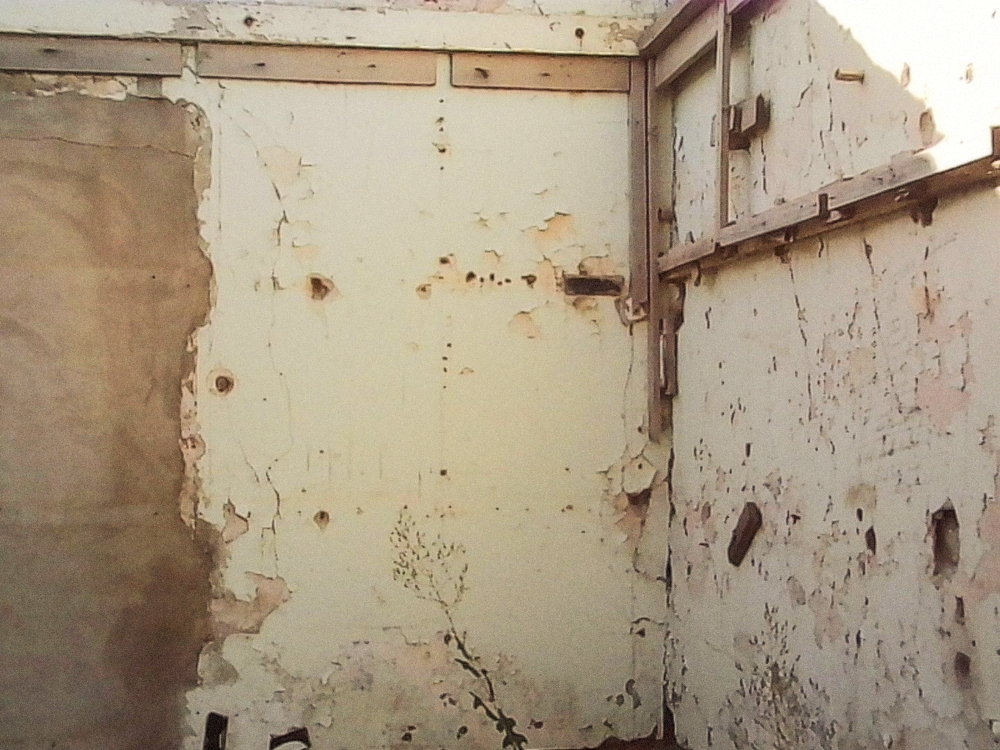
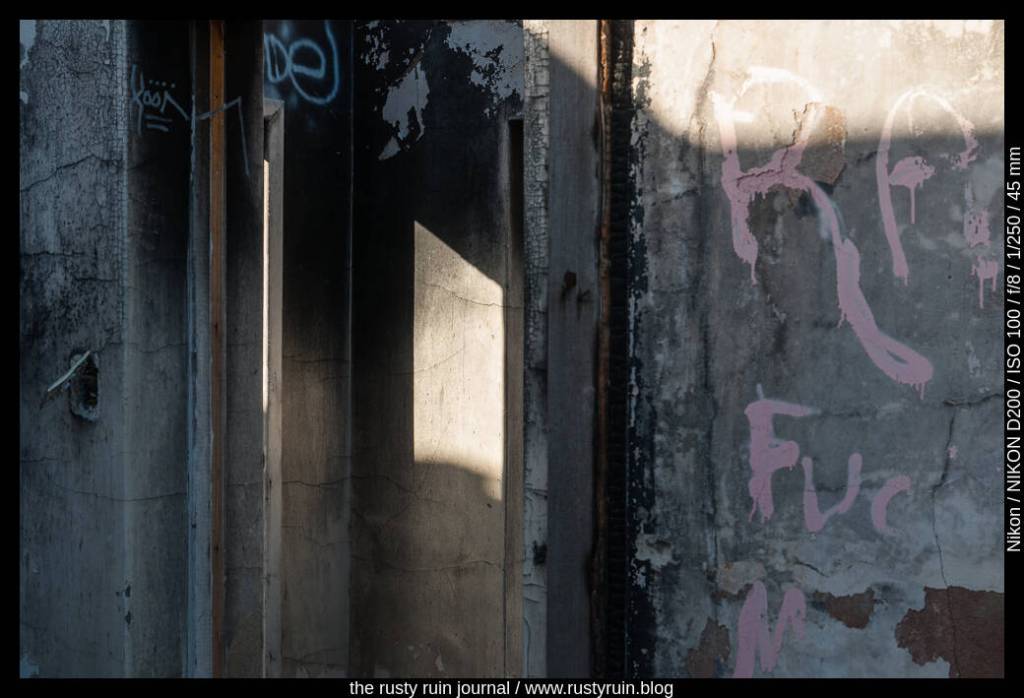
Nails and holes in the wall – Kodak Charmera

I couldn’t forget the Nikon D200 in my camera bag. It pulled on my left shoulder as it reminded me that it’s services were available – every bit the prosumer DSLR of 2005 and seemingly so distant from that first photograph in the early 19th century.

One might wonder if there exists a linear technological line between cave art on rough walls and the recording of the world to modern digital storage media? It’s hard to imagine a world without the technology to record ourselves and the world, yet we’ve always sought a type of crude immortality through the things we leave behind – whether recorded on cave walls 60 thousand years ago or posted online. We try to leave a mark before we leave.

Blue walls and red brick – Nikon D200

Rarely do I have the opportunity to get so close to a ruin like this. Walking over the rubble, the soles of my sneakers adjusting to the sharp edges and angles of detritus, I reflected on the passage of time.

Ghosts in slivers of light – Nikon D200

It’s all about the vibe ~ why use old digital cameras?

If you’d told me 15 years ago that my 1 megapixel Kodak would become a vintage digicam fetish item for Gen Z, I might have been amused. At the time, I was looking for tech-upgrades I could afford. It was all about more megapixels, as that seemed to be the measure of a digital camera in the 2000s – a time when companies thought they had a chance to revive their fortunes after the film era.

I might not be Gen Z, but it’s nice to use these old cameras again. Exploring macro modes, slow start-up times accompanied by bell chimes, and outdated storage media (XD card, anyone?) reminds me of how exciting the digital camera market was back then. Even a company like Casio – largely known for calculators and watches –  was dipping their toes into a market that was fresh and ripe for innovation.

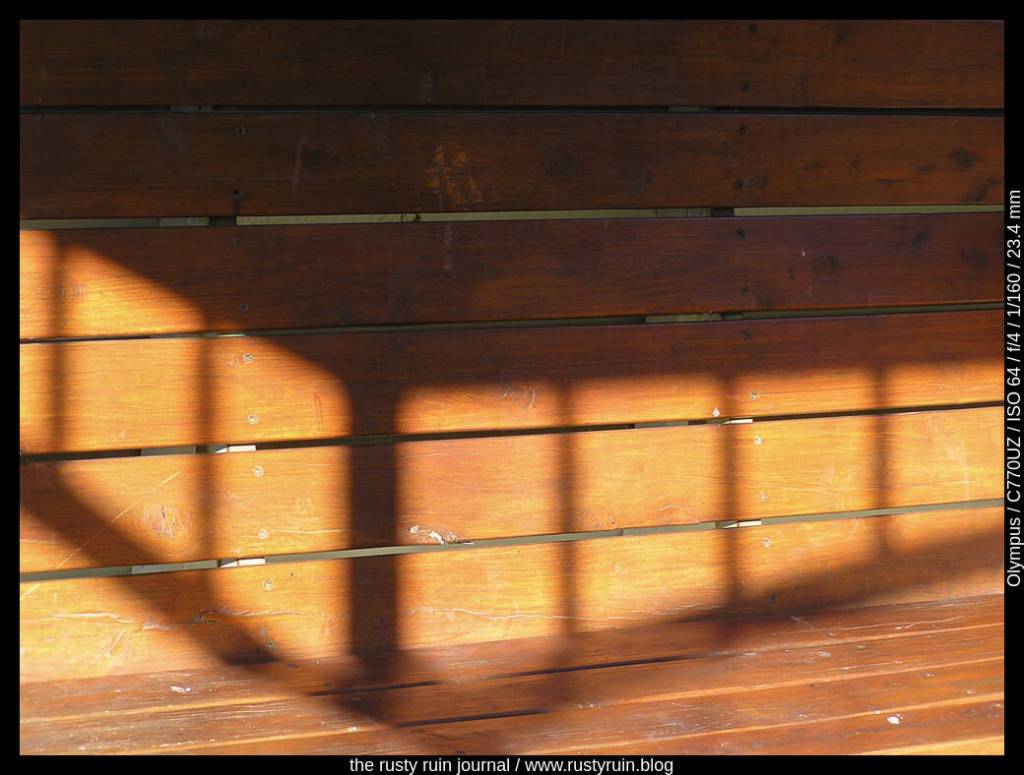
Soft shadows on wood #1 – Olympus C-770

For those of us who lived through it, this particular past doesn’t hold the mythical gold that Gen Z thinks it does, but it’s also perfectly natural to yearn for brighter yesterdays, especially when today is so obsessed with both the perfection of the image and the kind of moral purity testing that accompanies a technology layer that weaves relentlessly through our lives, recording our thoughts and feelings so that we’re not allowed to ever forget or forgive.

Despite the nostalgia, there are other benefits to reviving old digital cameras:

  • Save the environment by not chucking out a perfectly usable old camera. Companies tapping viciously into the dopamine hits that reliably ensure we hit the technology upgrade treadmill and spend spend spend don’t help our planet.
  • Use limits to learn – it might only have a maximum ISO of 400, no image stabilisation, and a sensor that goes blind as soon as a sliver of a highlight hits the photosites, but those old camera limits will teach you patience. They’ll teach you to consider dynamic range. They’ll teach you to slow down and compose each frame properly because the camera doesn’t have the same easy conveniences our modern cameras do.
  • An old digital camera will also teach you that photography is about more than expensive camera gear. I’ve said it before – people have been making wonderful photos for more than a century. Great photos are not restricted to the 21st century and camera gear that makes your bank account weep. If you’re not making good photos with a cheap camera, you’re not going to make good photos with a $6000 camera.
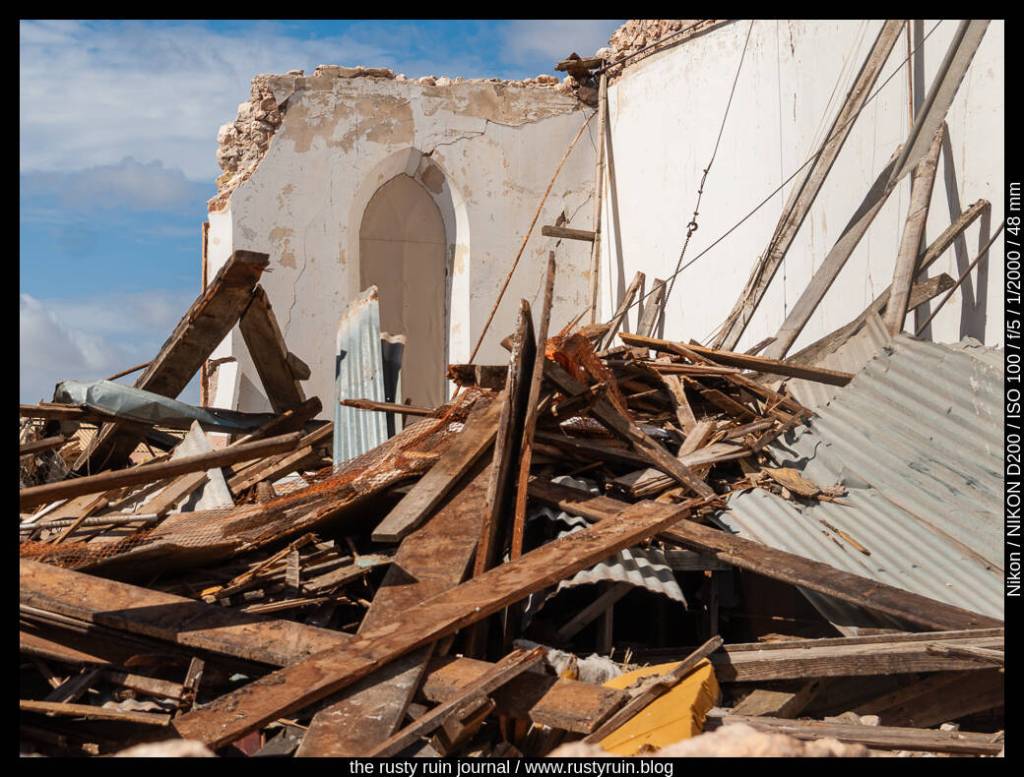
Demolition of the old church – Nikon D200

The draining of the rivers ~ wet dreams of the AI Techpreneurs

Reading that a Dell bigwig recently admitted consumers aren’t buying new computers for their AI capabilites and features makes me wonder about the future of AI. For many people, AI dominance seems a foregone conclusion. It foreshadows a near future where, depending on the job you do, days will either be filled with AI prompts to increase your efficiency, or days filled with dread about when your job will be totally replaced and where, upon the employment scrapheap, you’ll end up.

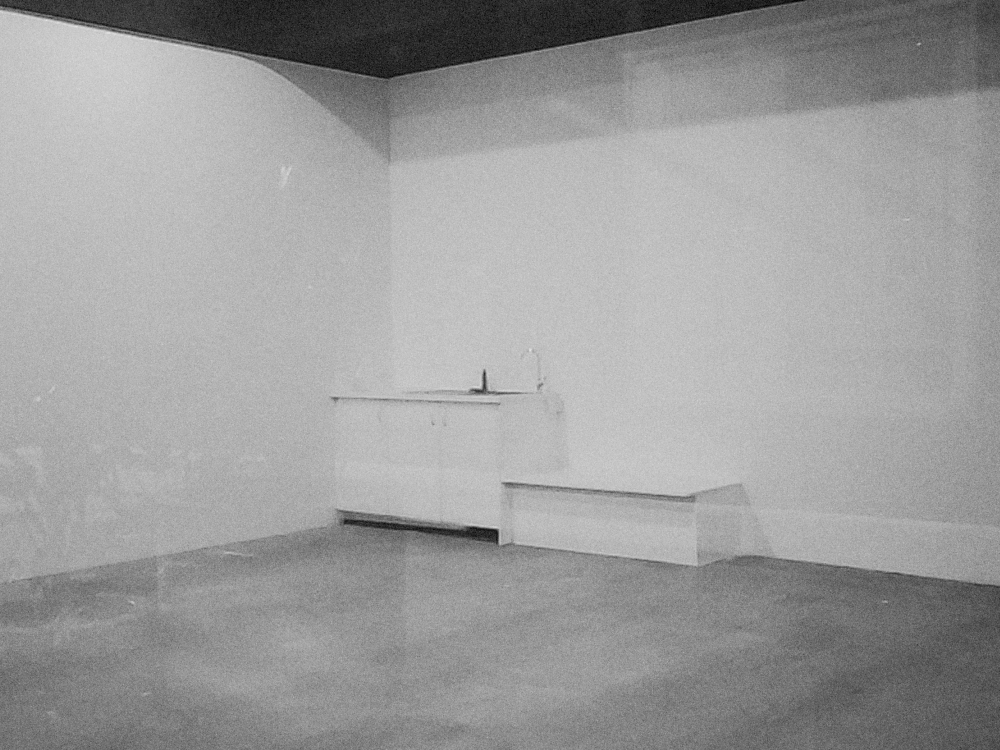
Empty room – Kodak Charmera

Likely, the truth is somewhere in the middle – AI may indeed prove to be a lot of hot air, but it’s certainly not vanishing overnight. We nurture a negativity bias, after all. The etchings of doom may be on the wall, but AI already has real foundations in the form of steel, glass, and silicon. The hype may be over the top and we may not see quite the transformation imagined by the most opulent of the Silicon Valley CEOs, but AI will likely continue to play a role – it’s a matter of how big and disruptive that role is. It’s also telling that vast profits in AI are yet to surface. Speculating and gambling certainly are the pursuits of the repulsively rich and bored, but in this case it’s a global game involving all of us.

The money being invested in AI datacentres alone is eye-watering, and if it’s any indication of the impact on other markets, Micron also announced it will cull the Crucial memory brand because it has decided to supply memory chips to massive datacentres instead – this is where the money leads. Too bad if you want to build that perfect gamer PC with cheap RAM!

Steel and glass and sky – Kodak Charmera

Even in a relatively small market like Australia, Amazon announced in June 2025 that it would invest $20 billion in building new cloud computing and AI datacentres. As with all supposed cultural shifts, the language around it is both compelling and driven purely by economics: generational transformation, economic opportunities, empowering Australians. Better that we place more focus on ethics, stewardship, responsibility, and trust – not so much on generating flying purple pigs with the latest AI model just for shits and giggles.

Grime and graffiti and bird shit – Kodak Charmera

No doubt the billionaires in the tech sector will get their way. They already are. Huge datacentres are set to impact not just the job market but also the rivers and waterways in places that likely don’t feature in the dreams of any of the techpreneurs driving the whole show. They largely don’t care, of course. When has a capitalist ever cared about poisoning rivers and soil?

Rather than idly believe the bright speeches from wild-eyed execs about economic opportunity and exciting opportunities at work (when was the last time more tech in the office actually reduced your hours so you could focus on family and leisure, I ask you?), we should be looking at the real and measurable impacts – mind boggling water use, environmental damage, the amplification of misinformation and growing concerns over AI Psychosis – and examining ways we can implement the best parts of AI ethically and responsibly – if that’s even possible.

Lo-fi junk toy paradise ~ The G6 Thumb Camera

A few days ago, I received the G6 Thumb Camera ~ a knock-off version of the Kodak Charmera available from cheapo plastic junk merchants like AliExpress. A copy was always going to happen when it became clear that the Kodak would sell-out quickly.

As I tore the box open to reveal the toxic green G6 keychain toy camera, my contribution to environmental pollution gnawed at me. It’s a feeling that grows with each passing year. We might have cherished our expensive mechanical film cameras for many years in decades gone by, valuing their form and function in a much slower and less product-addicted world, but now it seems as though we can’t get enough of the next thing and the next thing and the next

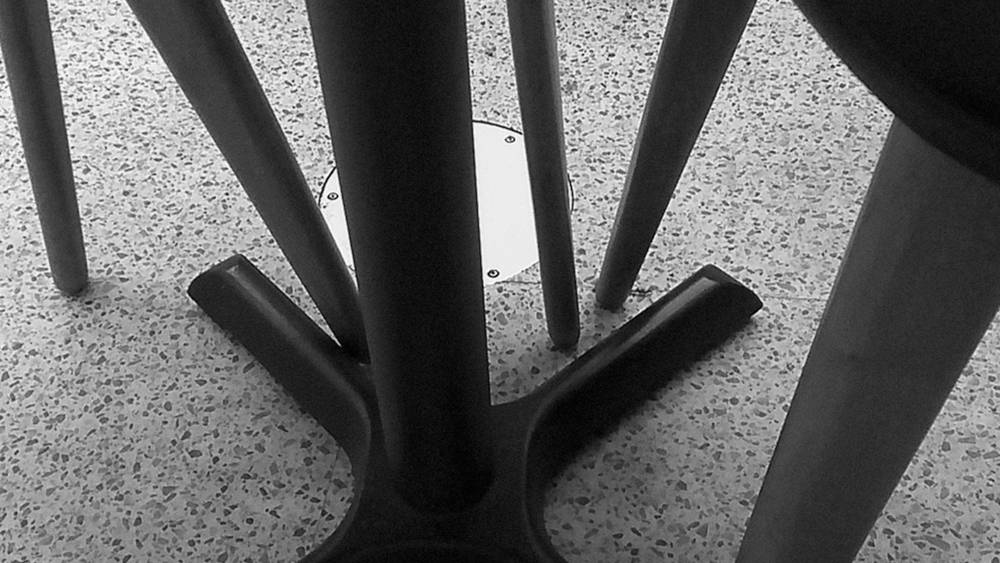
Under the table – G6 Thumb camera, edited in Exposure X7

I edited all of the photos in Exposure X7 using settings that disguise the mushy and detail-bereft shadows, the blown highlights, the oversharpened edges, and the oversmoothing – though the G6, despite clipping the red channel as soon as even a hint of red appears in a scene, doesn’t seem to sharpen or smoothe things quite as much as the Kodak Charmera. Consequently, the images are bad in a different way, weird banding artefacts included.

Just quickly, if you like this post and want to read more of my words on photography, old cameras, and such, just fill in your email below. I’m grateful for every connection in this digital abyss!

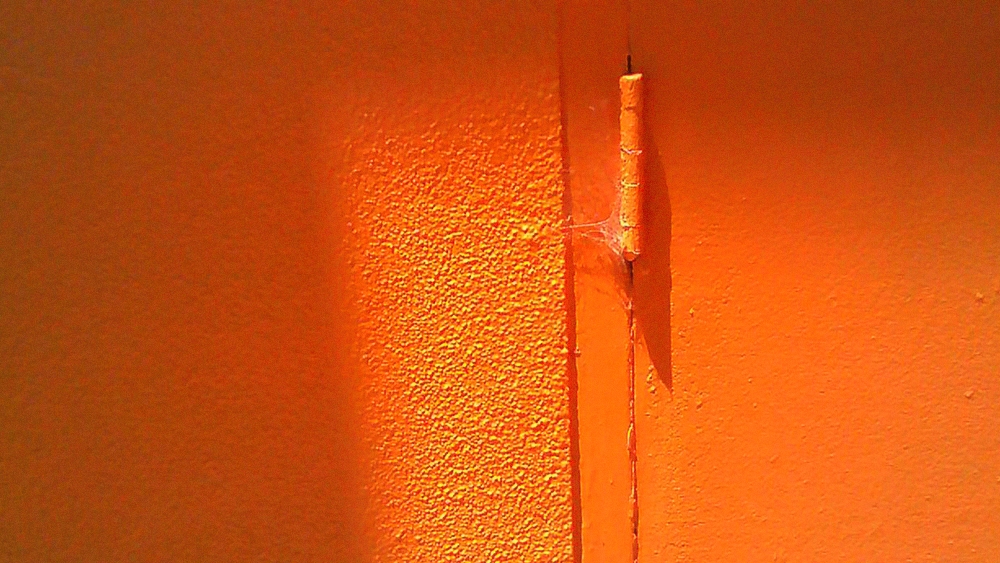
Yellow wall and webs – G6 Thumb Camera

The G6 can do a few extra things – I can set the EV, the image quality, and even the White Balance. I have mine set to -1 EV, 2 megapixels, and Daylight WB. Even though the image quality settings extend to a whopping 12 megapixels, I’m not even going to bother as I imagine things would only get worse if an almost useless image resizing algorithm were to be engaged.

Blue trolley on a hot day – G6 Thumb Camera

The focal length is too wide to be really comfortable, and the 16:9 aspect ratio is not ideal. However, this does encourage different thinking around framing and composition – not a bad thing at all. Oh, and if I long-press the up-button on the back, the LED flash turns on and the G6 becomes a torch…

Calm and chaos ~ a short walk

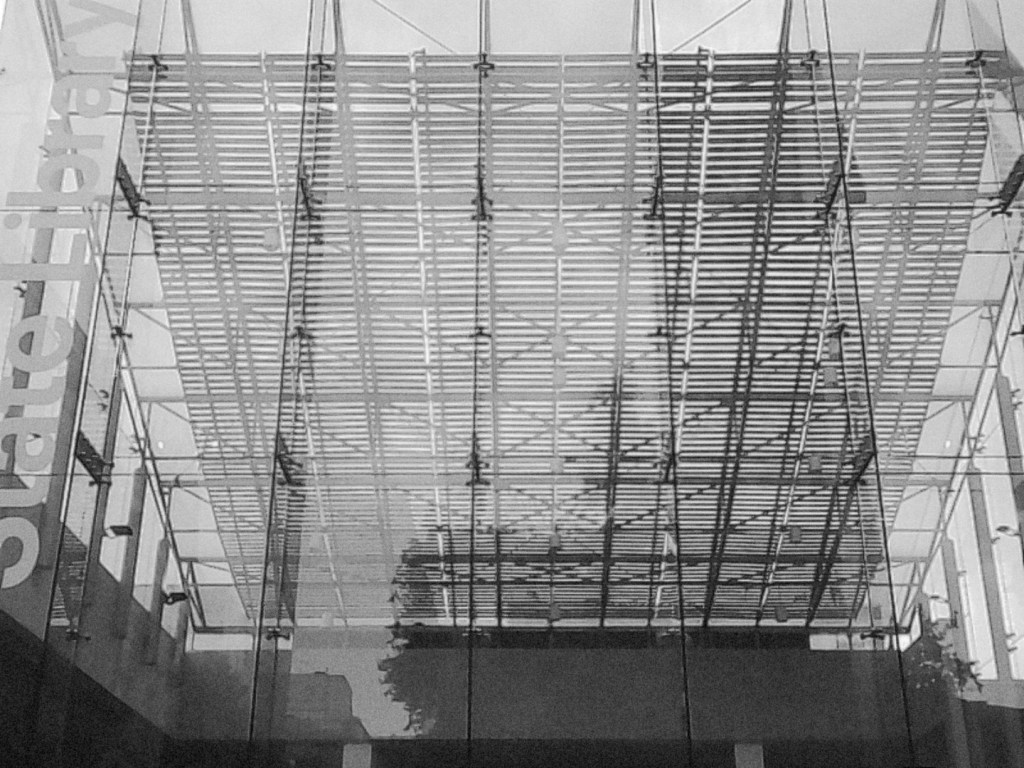
The end of year holidays have provided rare opportunities to explore city, country, and local suburbs. It’s nice to throw the Kodak Charmera into a pocket and walk around an unfamiliar neighbourhood, keeping an open mind and allowing the small things to catch my attention and focus. The unobtrustive nature of the little Kodak also means that I can largely remain unnoticed on suburban streets.

Brown beams and blue sky – Kodak Chamera

The fantastic Community Hub and Library in this suburb stands as a testament to the vision and efforts of locals and politicians to ensure that the area, known to have many endemic social, economic, and health problems, provides community, resources, recreation, and safe places to gather. Walking through tall glass doors, the immediate quiet and calm stands in stark contrast to daily incidents of drug-affected raging at the air and the sad turmoil of embattled relationships that seem to define the street corners.

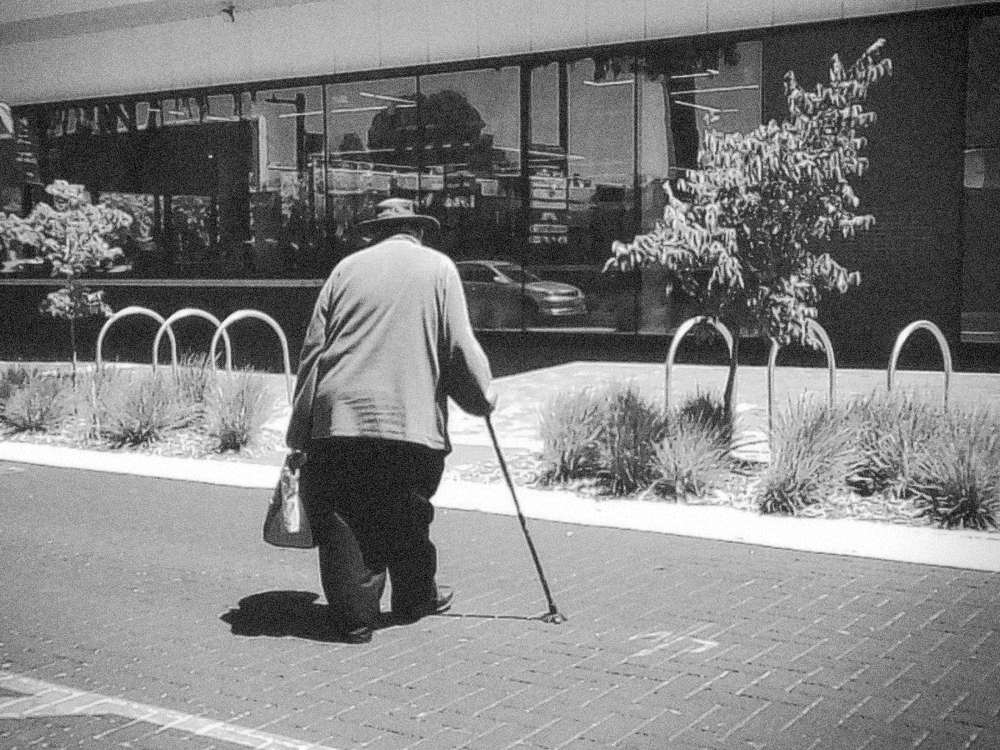
Crossing and counter-balance

Standing before the prize-winning photographic prints adorning the gallery space in the library, I think of the steep expense of the listed camera gear used by the photographers versus the social conditions and poverty outside.

A small photo of a nine year old girl, brandishing a Nikon Z9 and a giant lens, thicker than her arm, stares back at me from an artist card placed under the runner-up picture she entered into the competition – a photo of a dead shark on a tropical beach. Her hands curl around a camera body that cost thousands and a lens that cost even more. And here I am with my $50 Kodak Charmera, looking out of the library window at the old cemetery that was here before the shopping centre, pondering the absurdity of it all.

Save lives – Kodak Charmera

Liberated from technical perfection ~ some city snaps from the Kodak Charmera

It’s the last day of 2025 and there are plans afoot for the evening. I’ll be taking a bag of cameras, including the Kodak Charmera. There has been a certain freedom in using such plastic junk – dropping all pretense of aspiring to image perfection and controlling the light. It promotes presence in the moment:

Food court ceiling geometry – Kodak Charmera
Reflections and observations in the shopping mall
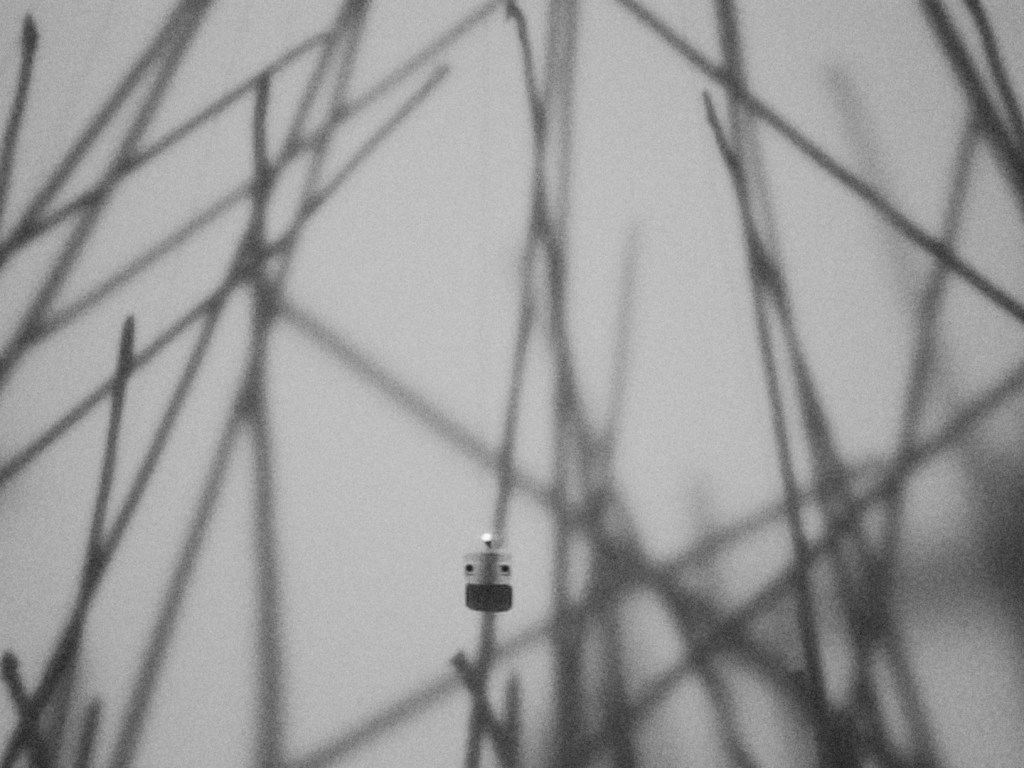
Shadow spears and a surveillance camera

An installation of spears, made by the First Nations people of this country, provided an interesting moment of juxtaposition in the Art Gallery: the shadows of spears on the ceiling, criss-cross where a security camera is mounted. A nearby art piece makes the point that all such colonial governments stamp their mark strongly on things – land, water, stuff – as if to say their word is the only word that counts and they get to have the final say in all matters.

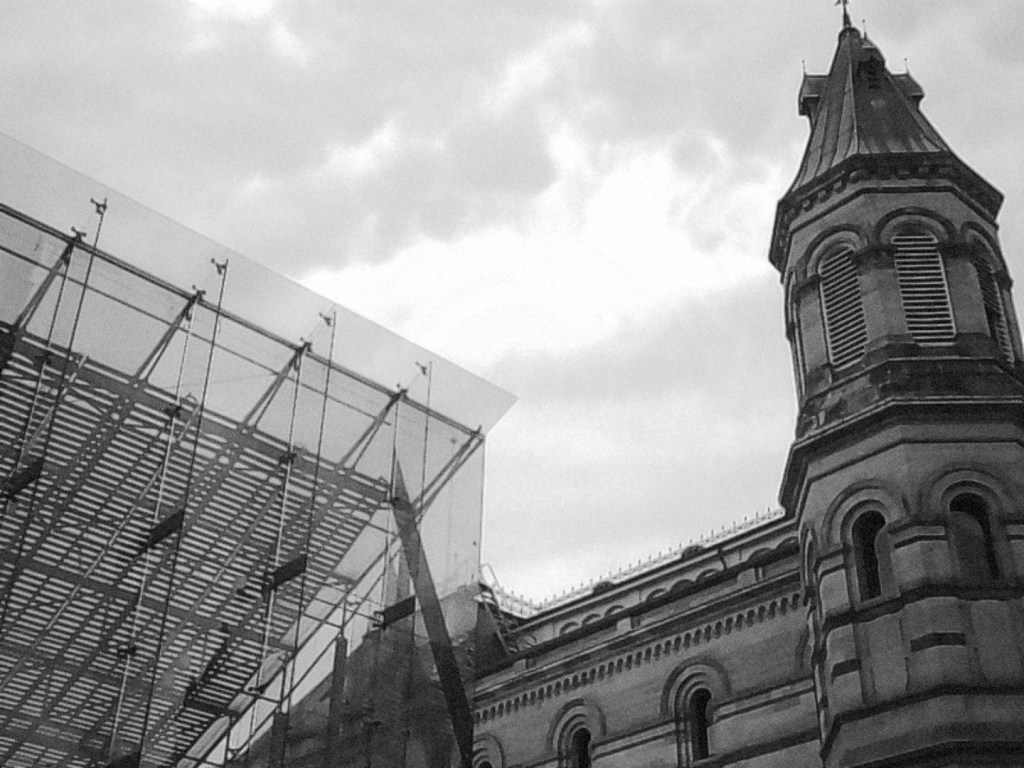
Old and new under cloudy skies