
As disappointed as I was in my last post about the Pentax I recently acquired, I managed to make some decent photos on the day. The small backscreens on old cameras aren’t good enough to determine much of anything about sharpness or focus, so I usually make a few photos of the same subject to have some redundancy in case of faults and errors.
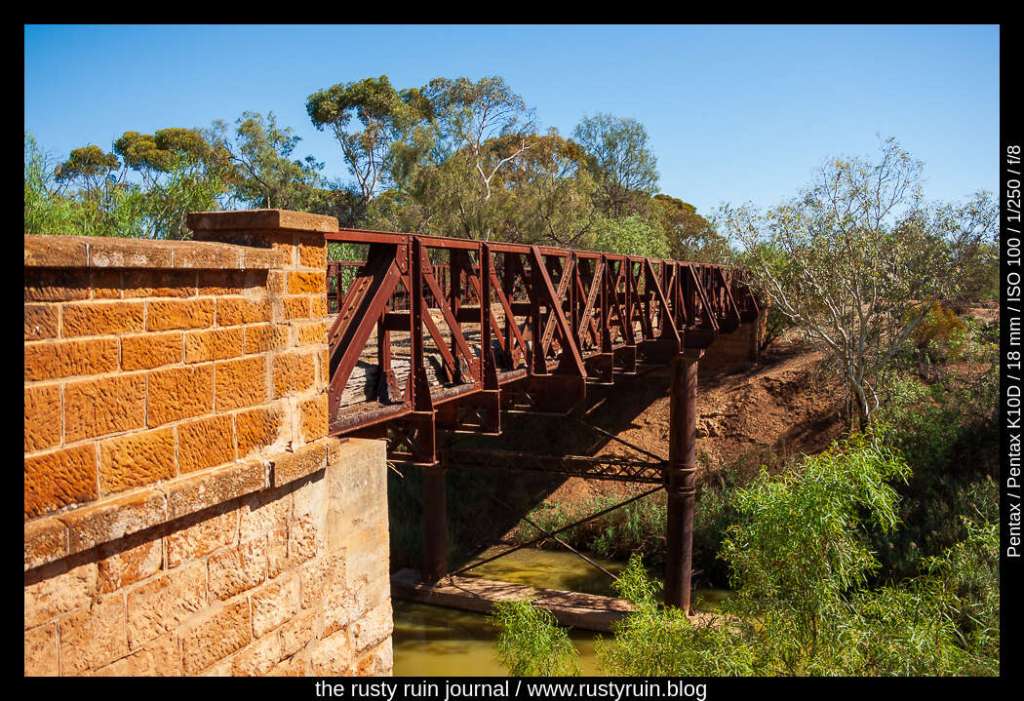
I think sometimes we get too used to the idea that every photo should be as sharp as possible. It’s a common criticism in photography groups, of course. But what constitutes sharpness in a photo? Good focus is one primary ingredient – something I struggled with on the Pentax. Contrast is another characteristic that contributes to the perception of sharpness. Aperture size is also important, as this determines depth of field and just how much of a photo is going to be in focus and acceptably sharp. A fast enough shutter speed if a tripod isn’t being used is also key to avoiding blurry photos.
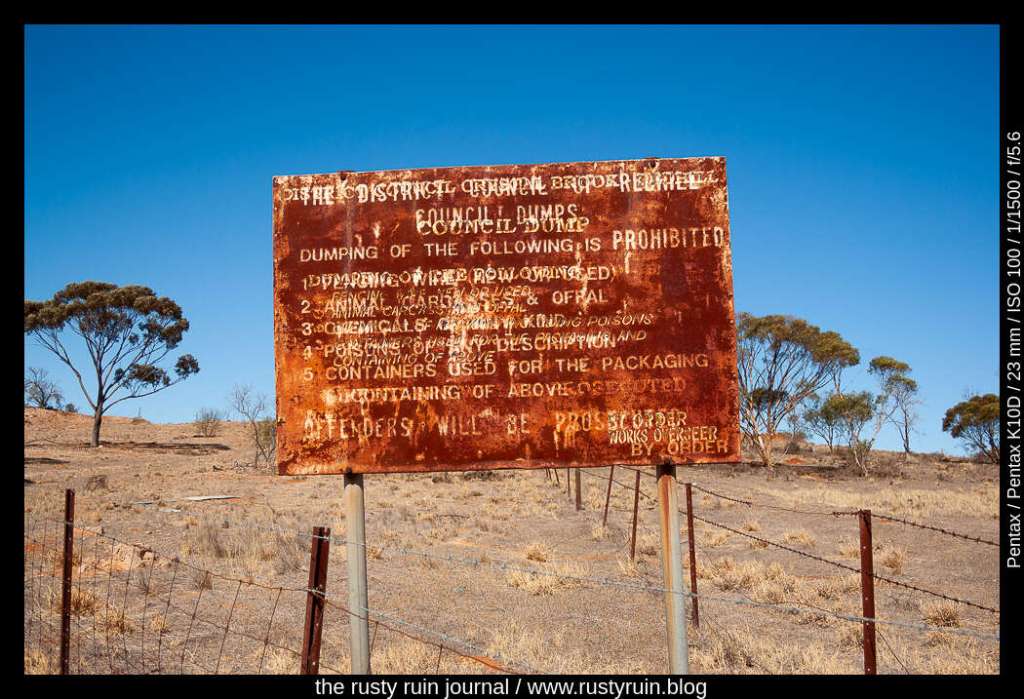
I don’t know about you, but my eyesight isn’t good enough to see the world like the best lenses. I can zoom in on a super sharp photo in Lightroom and see all the details. That’s a wonderful thing and I’m often amazed at how much detail modern lenses and sensors can resolve, but acceptable sharpness is also a range within which a photo looks good to our eyes. There are well-known lenses from every manufacturer that aren’t known to be super sharp, yet I’m sure many excellent photos have been made with them.

Inexpensive kit lenses often receive criticism from people who view the technical quality of gear as primary markers of status and image quality. If you’ve chosen the correct aperture, correct ISO, correct shutter speed, and the correct point of focus for the scene, the rest is down to technique, content, and composition. A lens that’s not super sharp can certainly produce wonderful photos of subjects that are a good fit for the glass. Great content and compostion will always beat out slightly soft photos every time in my books. As I’ve said before, amazing photos were made over a century ago with equipment we’d consider primitive when contrasted to the camera gear of today.



















 The Rusty Ruin Journal