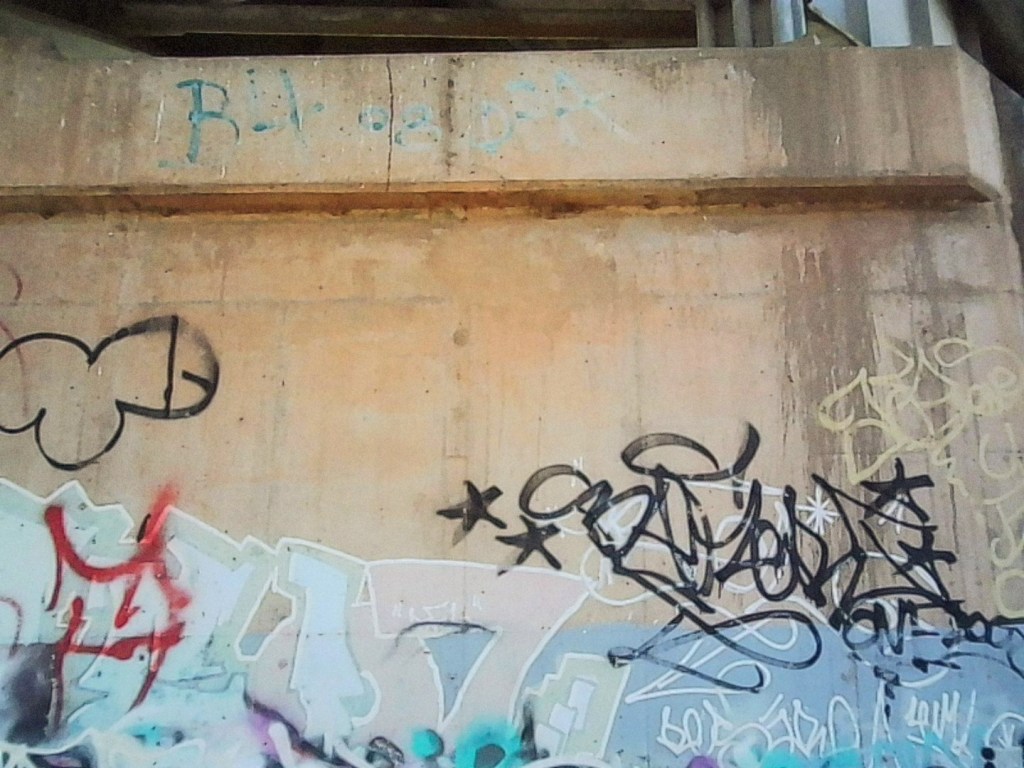
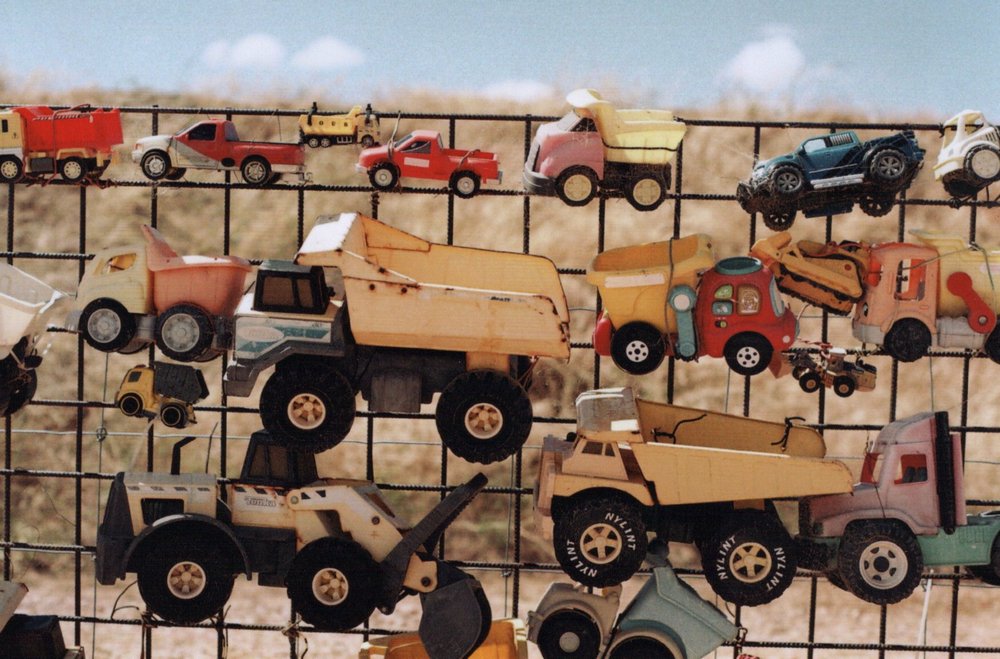
Graffiti and toy trucks late in the day ~ Nikon F80 loaded with Fuji Superia 200 colour 35mm film

I need a distraction from thoughts more serious and sobering, so here I am on Christmas Eve scanning the latest batch of film prints from my Nikon F80. One of the most endearing (or potentially annoying, depending on when you were born) things about using film is the journey of getting through a roll so it can be developed. There’s a prevailing attitude that each frame of film is to be savoured – each shutter press is an adventure in the slow, deliberate, and mindful approach to making photos. But sometimes, you just want to blow through the last few exposures to get the canister into the local lab.

Tiny toy trucks in the sun – Nikon F80 and Fuji Superia 35mm colour film, overexposed by 1 stop

I think I fared a little better with this roll than my last. I was quite frugal and deliberate this time around with the old Nikon, resulting in several more keepers. The expired Fuji Superia film features a lovely fine grain and exposure latitude. As much as Kodak Ultramax 400 is the everyperson of the modern consumer film world, Fuji have made some superb emulsions over the years.

Graffiti on The Tanks, near Whyalla South Australia

I’ll admit that using the Nikon F80 in recent weeks seems to have revived my interest in rehabilitating my film cameras. Sadly, I have found so far that some of them are simply not working any longer. Some are victims of my forgetfulness ~ a lesson in never leaving cheap batteries inside cameras to leak rivers of toxic sludge and potassium carbonate. Others have succumbed to the dusty decades and have slow shutters, wonky gears, faded rangefinder markings, and internals that have simply kicked the bucket. Happily, I seem to have successfully revived my Yashica Electro 35. I’ll have to put a roll through it to really test it out.

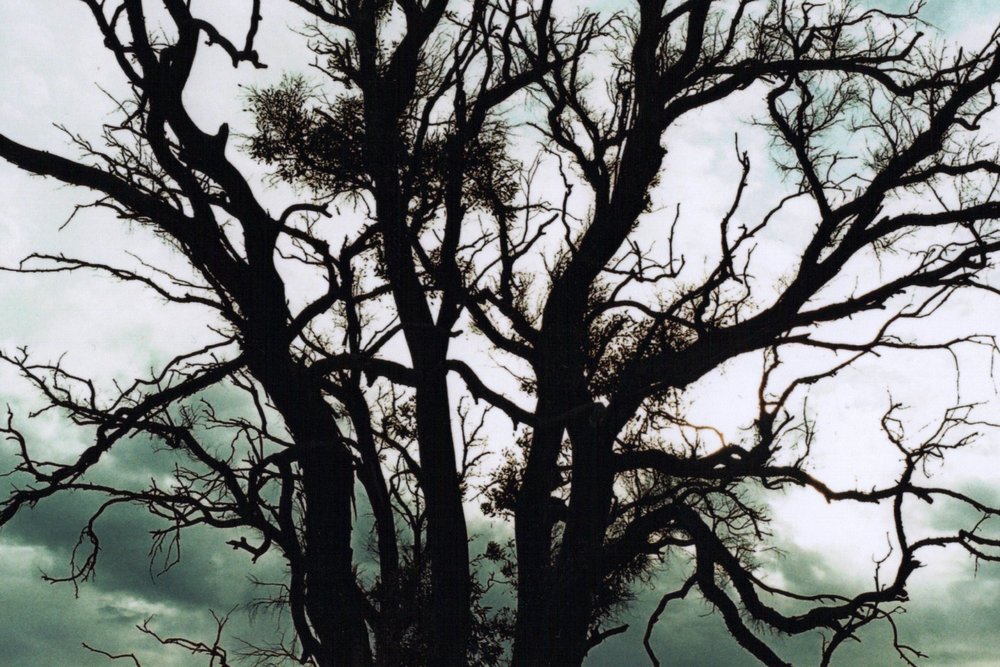
Moody tree near the old train-line, late in the afternoon

Exploring Iron Knob with a Nikon F80 and Kodak Ultramax film

Perhaps not quite a decade has passed since I last had a roll of film developed. Such is the easy lure of digital imaging, I suppose. Still, it didn’t take me long to get used to not looking at the back of the camera for an image review. It’s as though I was quietly slipping back to the old film camera habits and movements of my childhood. The slowness of photographic practice demanded by the Nikon F80 on this day – taking in the scene and the light – matched the eerie end of the earth silence of the town of Iron Knob.

I said to a friend that the Nikon F80, made in the year 2000 at the end of the mainstream film era as digital was fast taking hold, feels every bit Nikonian. What I mean is that for someone used to handling and holding modern Nikon cameras, the F80 feels ever so familiar – the button placements make sense, the hand grip is deep and comfortable, and the working philosophy is the result of decades of Nikon engineering and knowledge. The sleek, black Nikon Z5 digital camera was nestled next to it in my bag, looking like it had come from a different century, but the two share the same DNA.

No fuel left in town – Nikon F80, Kodak Ultramax 400, and Nikkor 50mm 1.8D lens

The Kodak Ultramax film I’d loaded had expired some years ago, so I used the ISO function of the camera to fool the exposure system and set it to treat the loaded film as 200 speed ~ slower than the box rating of 400. Doing this slows the shutter speed down and allows more light to hit expired film that’s less sensitive due to age related degradation.

Abandoned long ago – Nikon F80

Iron Knob was established in 1915 and was the birthplace of the Australian steel industry ~ something I didn’t know and a fact that certainly surprised me. I’d seen the town on maps over many years and had developed a curiosity, but hadn’t had the chance to visit until recently. As it happens, I was also testing the F80 for use at our daughter’s upcoming 21st, and it seemed a good idea to load some batteries and run film through it.

Half a ghost town

The Iron Monarch mine looms over the town, forming a red and dusty backdrop. When the Hematite poured from the earth, the town thrived and was no doubt filled with macho banter, drinking, and the dirt-filled sweat of hot days. You can still see those halcyon days in the closed roads where Keep Out signs warn travellers – wider than would seem appropriate for the minimal traffic in town today – barely recognisable bitumen strips that are crumbling and lead nowhere, flanked by corrugated iron homes that may or may not be inhabited. The only food takeaway shop in town is closed – old faded stickers in the window advertise Chiko Rolls ~ that most Australian of junk food icons. The sign on the door says that the shop is temporarily closed, but it seems to have been there a long time.

Iron, steel, and wood make a home – Nikon F80