
My interest in rust is, as you might imagine, slightly more than that of the average person down the road. I don’t have data to back this up, but I’m not convinced that the idea of making photos of rusty things is of primary importance to many people as an activity. What I’m quite certain of is that people are definitely interested in the answers to big questions: Why am I here? Are we alone in the universe? Is death the end? What does the future hold?

Rust and ruin are symbols of decay and time passing. Some people are terrified by this idea, perhaps hoping that science will one day discover the answer to immortality. Others believe they have the answers to the big questions already. For them, perhaps, ruin holds fewer terrors. I wrote about this in a previous post if you want to have a read. I even included one of my favourite poems.

Sidestepping terror to make life easy
I started this post like most others. Truthfully, I didn’t really have much direction, other than the desire to explore rust and ruins as universal symbols that remind us of our mortality in the vastness of the river of time’s relentless passing. But lately, I find myself thinking more and more about the impact that I and others have on the world. For example, my use of shaving cartridges, with all the plastic they include, isn’t just annoyingly expensive, but also destructive. All of that plastic ends up in landfill, contributing nothing to the environment but toxicity.
It’s perfectly understandable that people prefer to have easy lives where everything is mapped out and makes sense. An easy to understand narrative provides us with answers to many, if not all, of the big questions we have. It’s easier to come to terms with the idea of toxic human waste, selfish governments, and genocides when it’s part of a cosmic plan ~ the evil will get their punishment and the good will find peace. Unfortunately, human history is nothing if not a struggle between the powerful and the powerless.
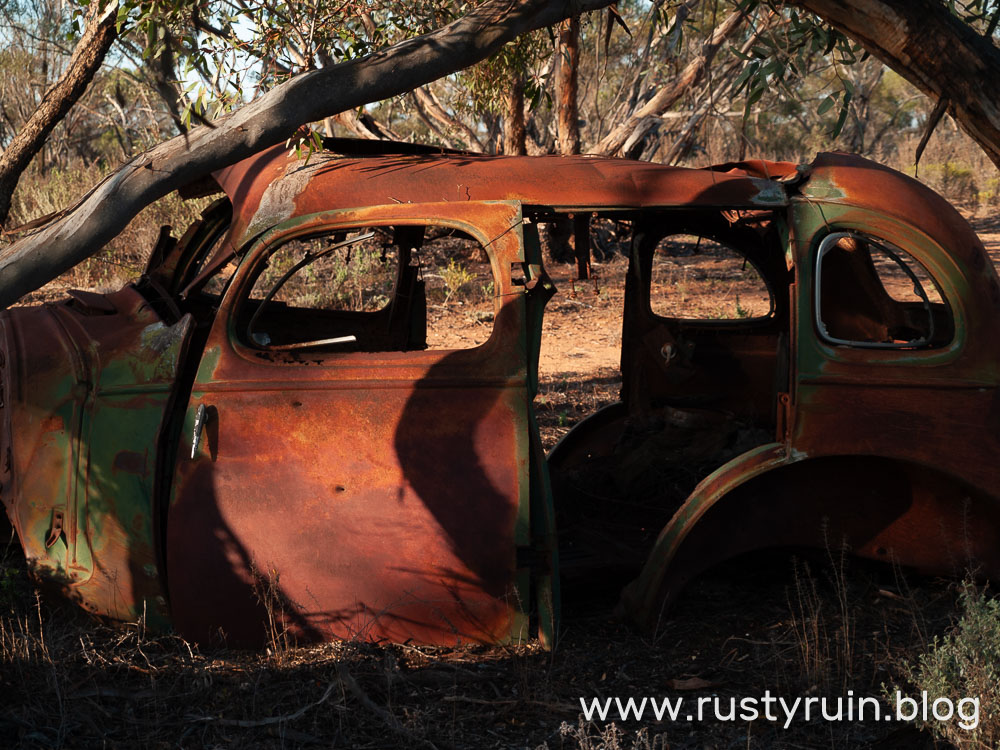
I think this makes it too easy to sidestep the feeling of terror gnawing at the mind in times of quiet. What does the future hold when we know all too well that the capacity for destruction lies in the same bed as the capacity for art within every human being? I strongly suspect that we may turn quickly and desperately to solutions as a species once it’s too late. The powerful will have squeezed every last drop of value from us and we’ll have been too busy buying fast-fashion clothing from giant toxic factories where people are grossly underpaid and overworked for the benefit of the few. Where do those unsustainable fast-fashion items end up, do you think? What good do they serve, other than to appease vanity?
Living with less
One kind of response I’ve often heard from people when speaking of this topic goes something like this: “But what about the economy and jobs? If we follow environmental policies, we’ll lose jobs. And how do we keep the lights on? Maybe we should think about nuclear power?“
My blunt rebuttal these days is usually along these lines: “The environment isn’t interested in your comfort. We may all need to accept the idea that we must live very differently with a lot less.”
The idea that we must not stall our economy and standard of living as we explore ways of doing less destruction to the planet is not only absurd, it is also dangerous. All this does is serve the lives of people who have vested interests in making money and living comfortably. They don’t want their lives altered and would rather continue driving big vehicles that spray minute particles of rubber into crucial waterways. Yet, nature is change. Nothing remains the same. Living a life with less money, less oil, less waste, less electricity, less gas, less cars, and less fast-fashion is not only wise, it’s likely the only path to take.
 The Rusty Ruin Journal