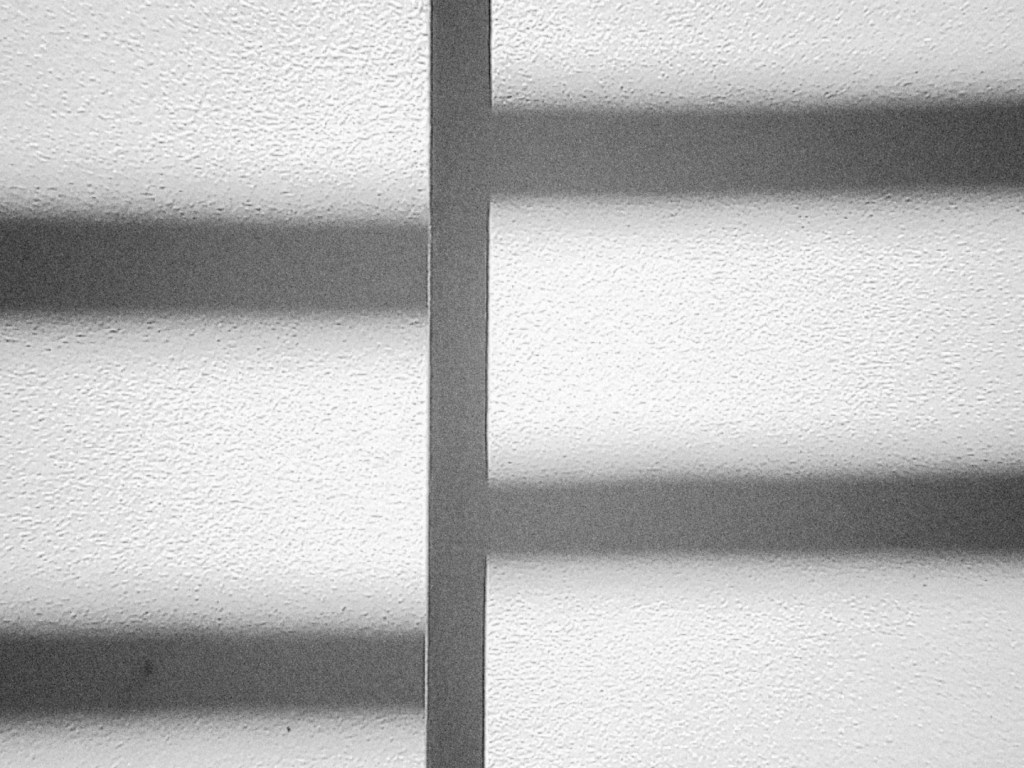
Exploring Iron Knob with a Nikon F80 and Kodak Ultramax film

Perhaps not quite a decade has passed since I last had a roll of film developed. Such is the easy lure of digital imaging, I suppose. Still, it didn’t take me long to get used to not looking at the back of the camera for an image review. It’s as though I was quietly slipping back to the old film camera habits and movements of my childhood. The slowness of photographic practice demanded by the Nikon F80 on this day – taking in the scene and the light – matched the eerie end of the earth silence of the town of Iron Knob.

I said to a friend that the Nikon F80, made in the year 2000 at the end of the mainstream film era as digital was fast taking hold, feels every bit Nikonian. What I mean is that for someone used to handling and holding modern Nikon cameras, the F80 feels ever so familiar – the button placements make sense, the hand grip is deep and comfortable, and the working philosophy is the result of decades of Nikon engineering and knowledge. The sleek, black Nikon Z5 digital camera was nestled next to it in my bag, looking like it had come from a different century, but the two share the same DNA.

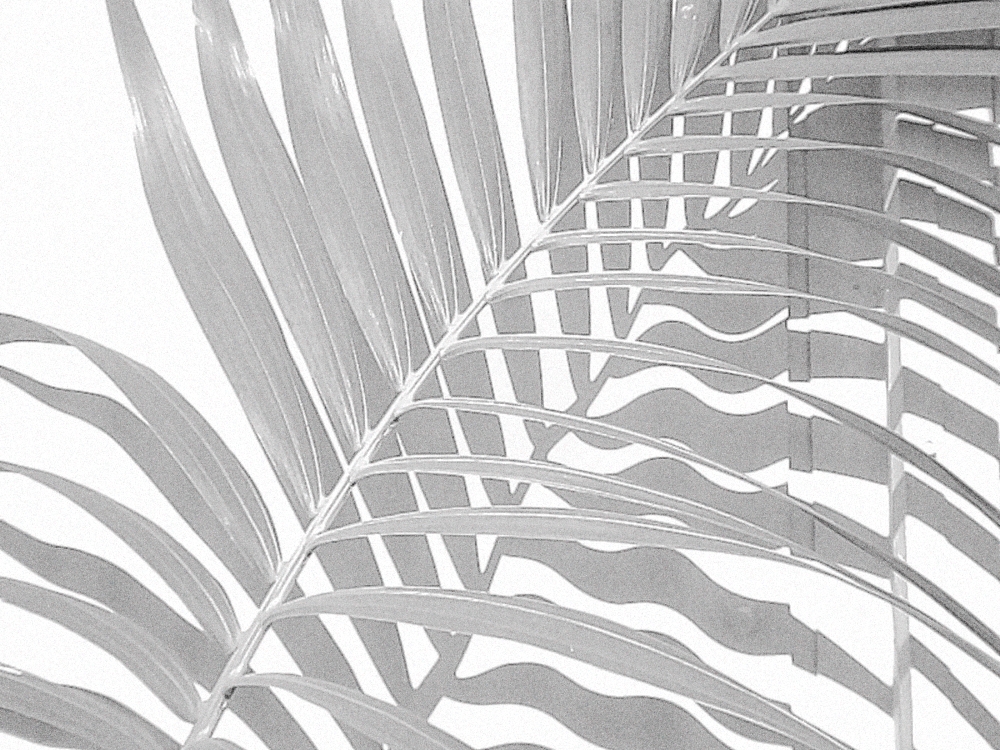
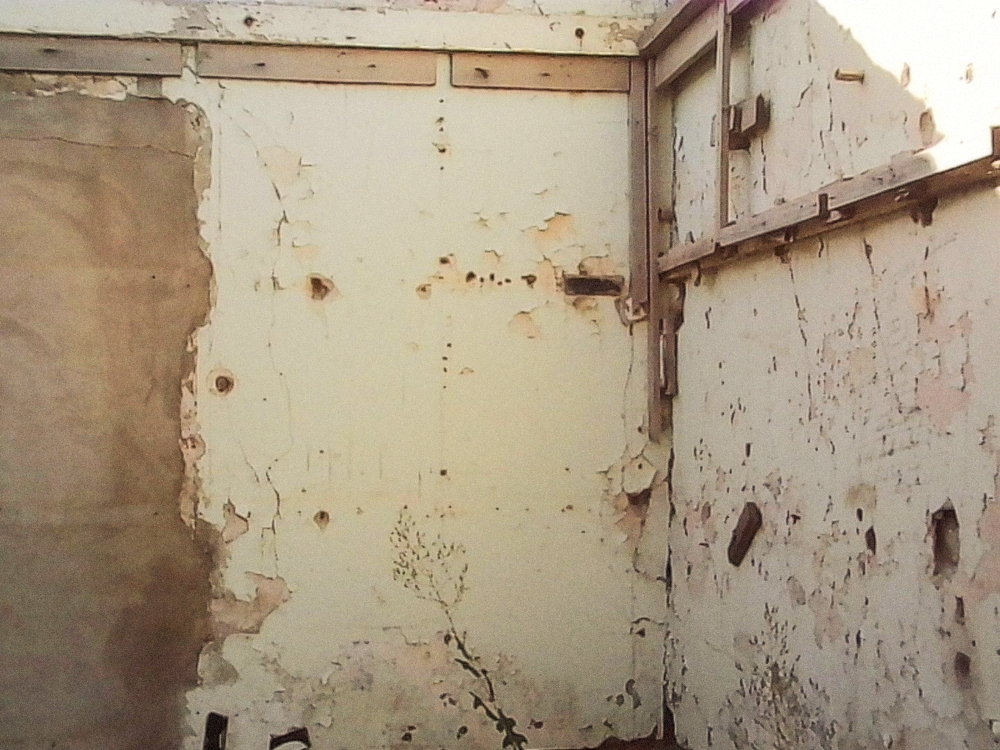
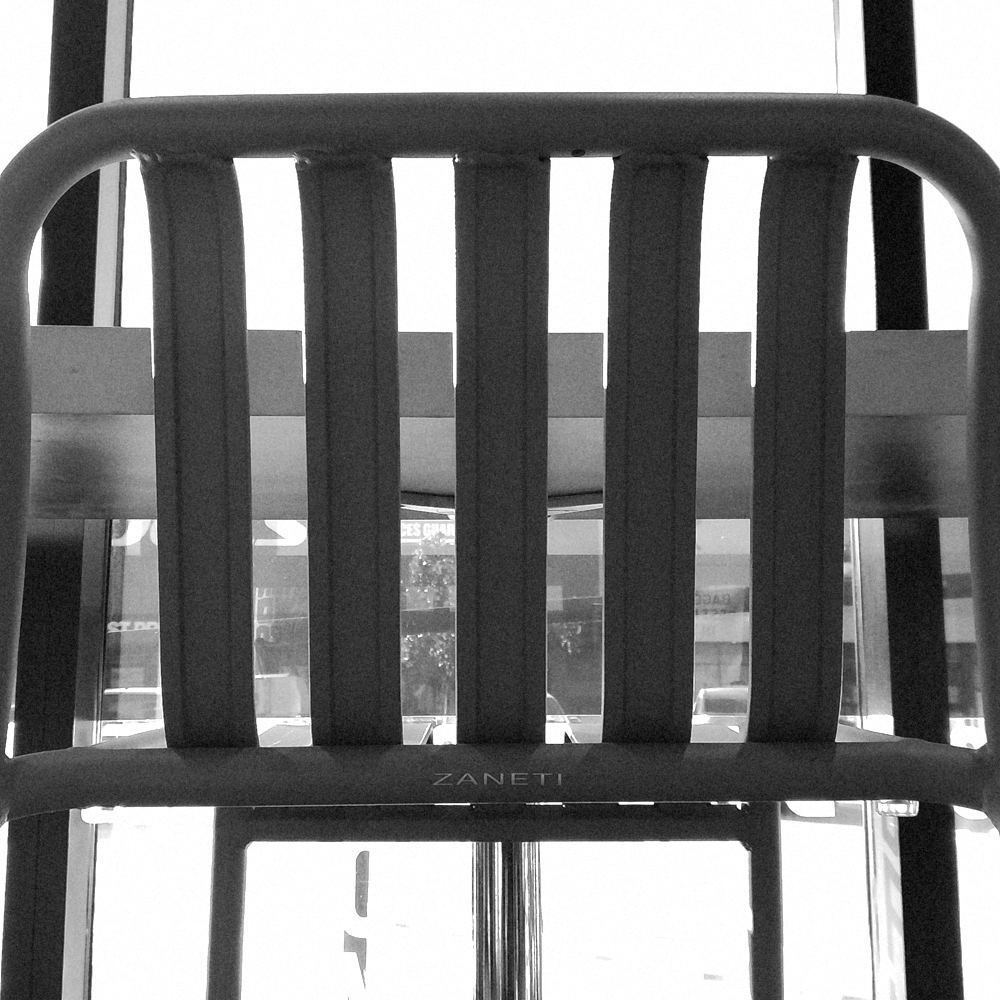
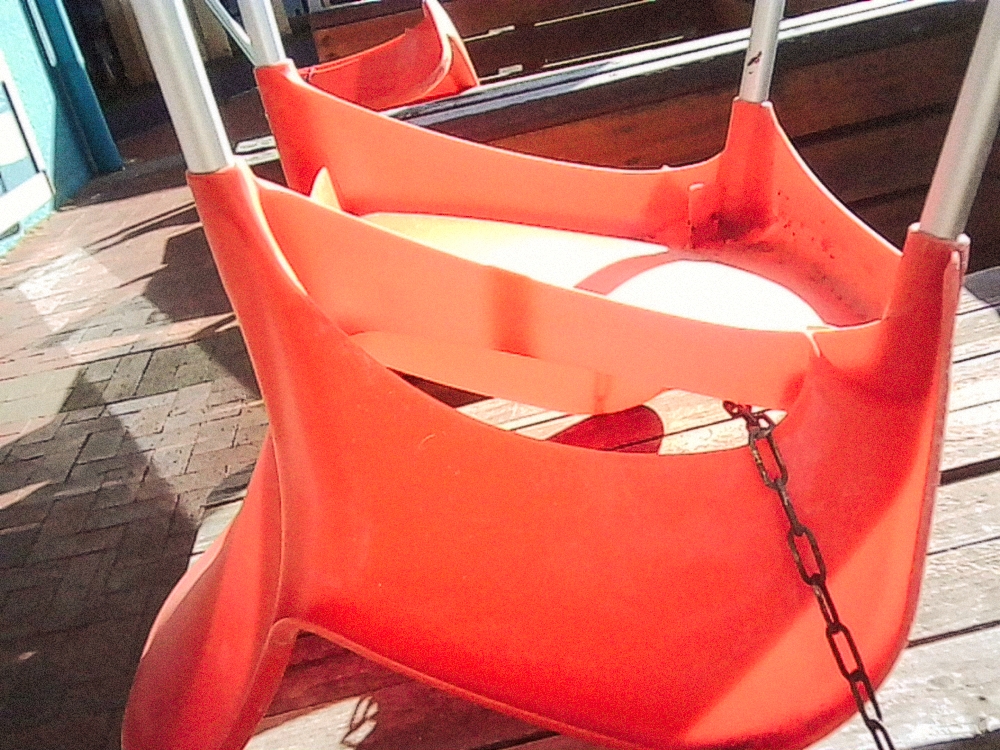
No fuel left in town – Nikon F80, Kodak Ultramax 400, and Nikkor 50mm 1.8D lens

The Kodak Ultramax film I’d loaded had expired some years ago, so I used the ISO function of the camera to fool the exposure system and set it to treat the loaded film as 200 speed ~ slower than the box rating of 400. Doing this slows the shutter speed down and allows more light to hit expired film that’s less sensitive due to age related degradation.

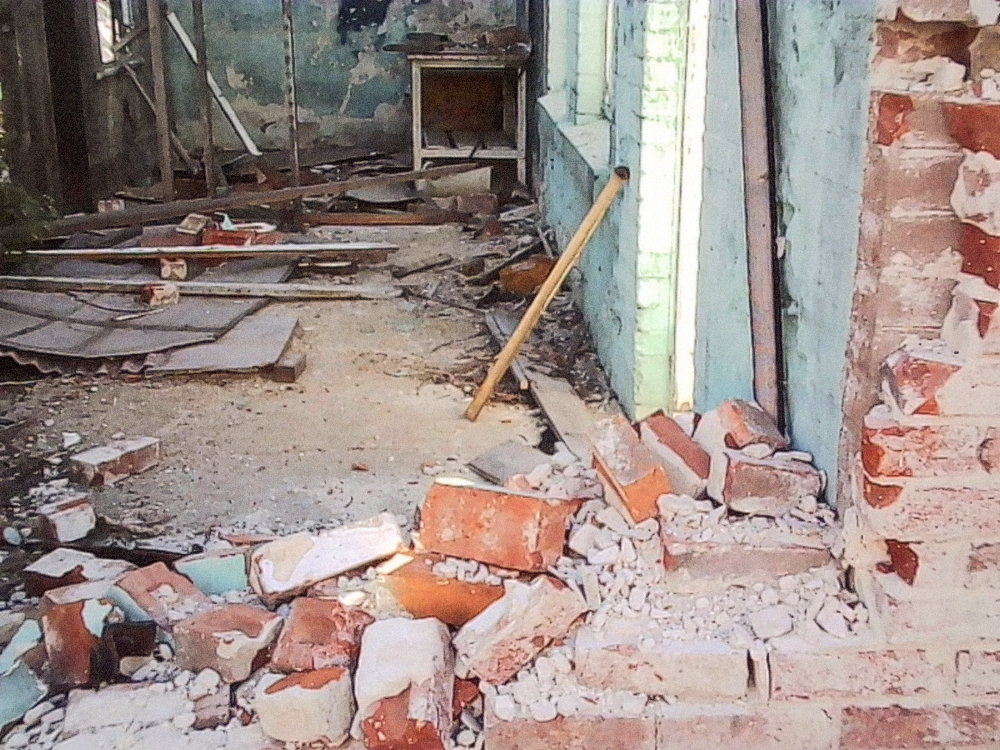
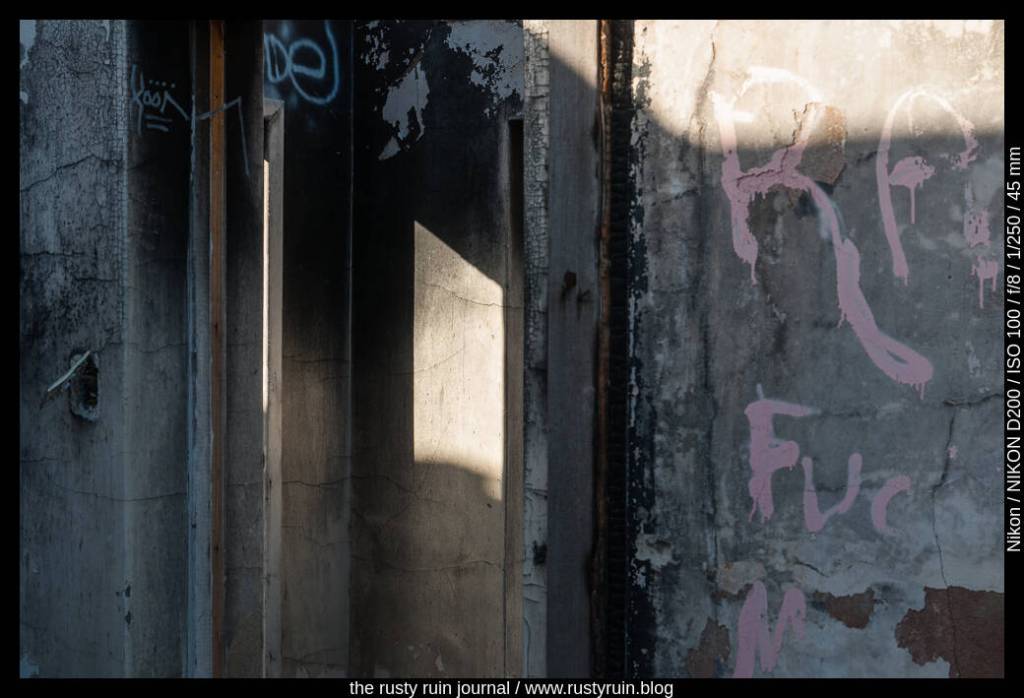
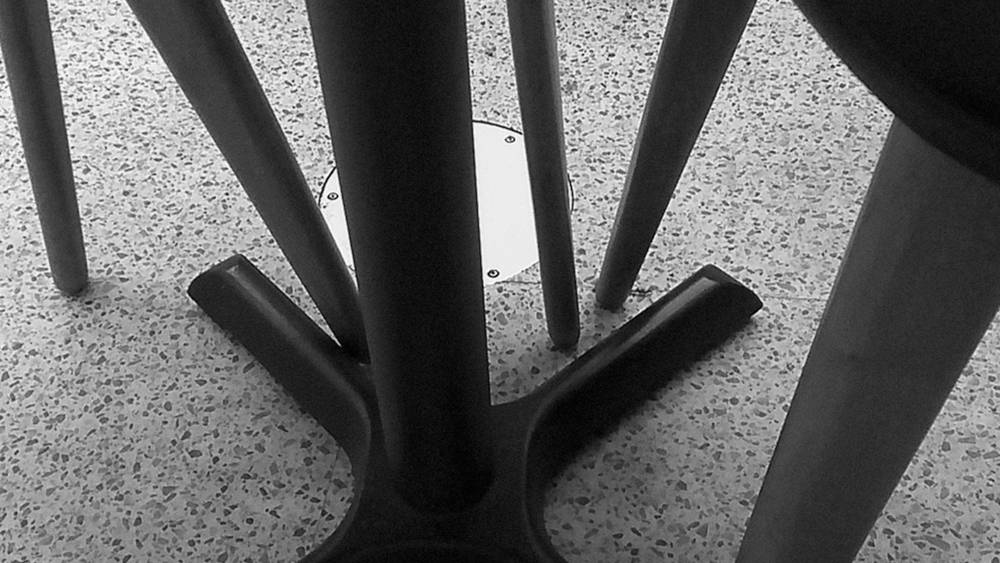
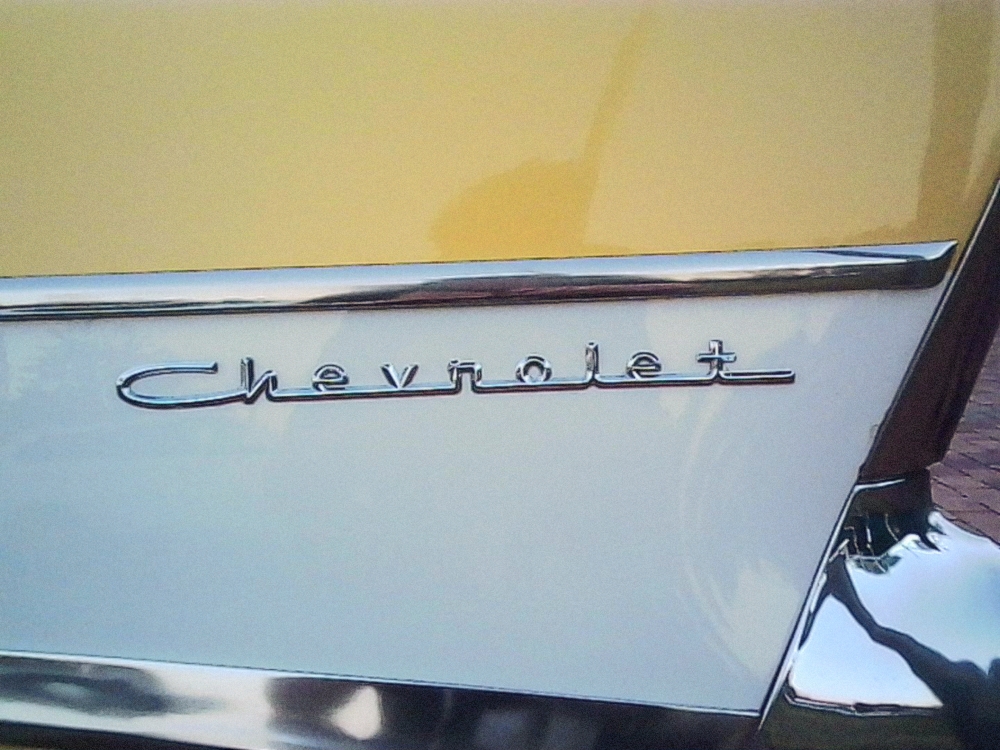
Abandoned long ago – Nikon F80

Iron Knob was established in 1915 and was the birthplace of the Australian steel industry ~ something I didn’t know and a fact that certainly surprised me. I’d seen the town on maps over many years and had developed a curiosity, but hadn’t had the chance to visit until recently. As it happens, I was also testing the F80 for use at our daughter’s upcoming 21st, and it seemed a good idea to load some batteries and run film through it.

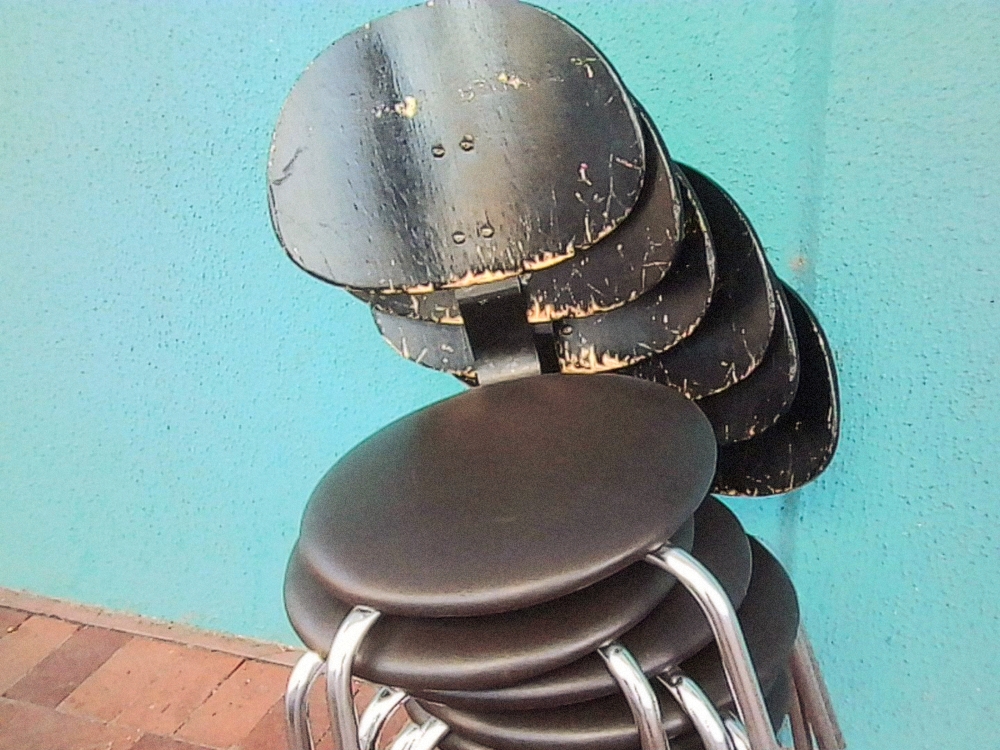
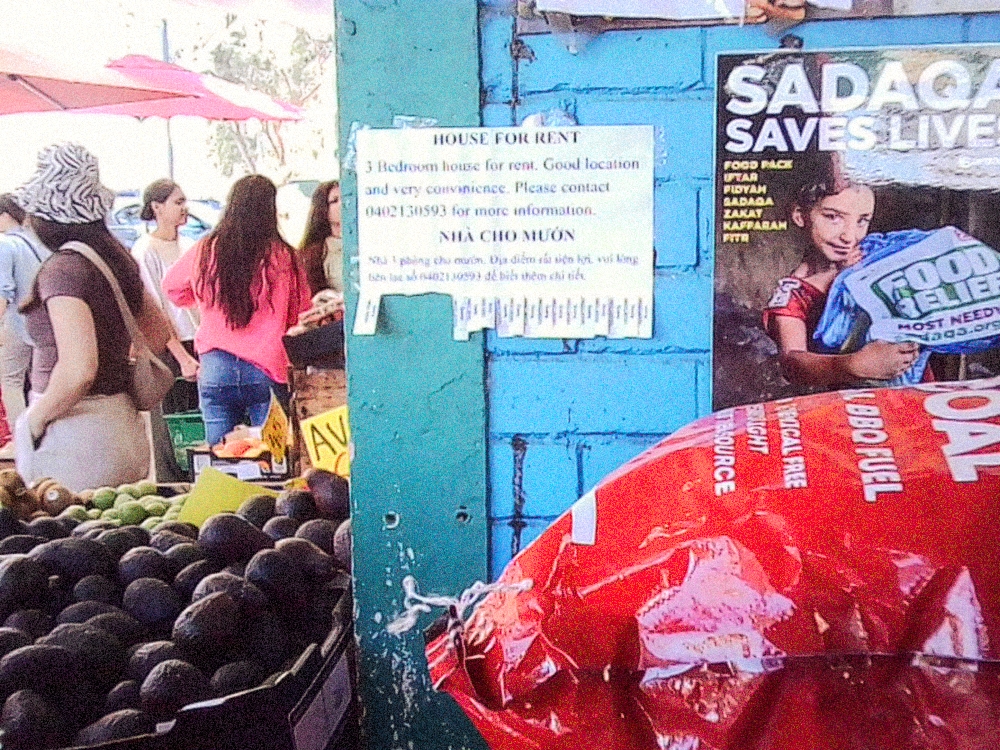
Half a ghost town

The Iron Monarch mine looms over the town, forming a red and dusty backdrop. When the Hematite poured from the earth, the town thrived and was no doubt filled with macho banter, drinking, and the dirt-filled sweat of hot days. You can still see those halcyon days in the closed roads where Keep Out signs warn travellers – wider than would seem appropriate for the minimal traffic in town today – barely recognisable bitumen strips that are crumbling and lead nowhere, flanked by corrugated iron homes that may or may not be inhabited. The only food takeaway shop in town is closed – old faded stickers in the window advertise Chiko Rolls ~ that most Australian of junk food icons. The sign on the door says that the shop is temporarily closed, but it seems to have been there a long time.

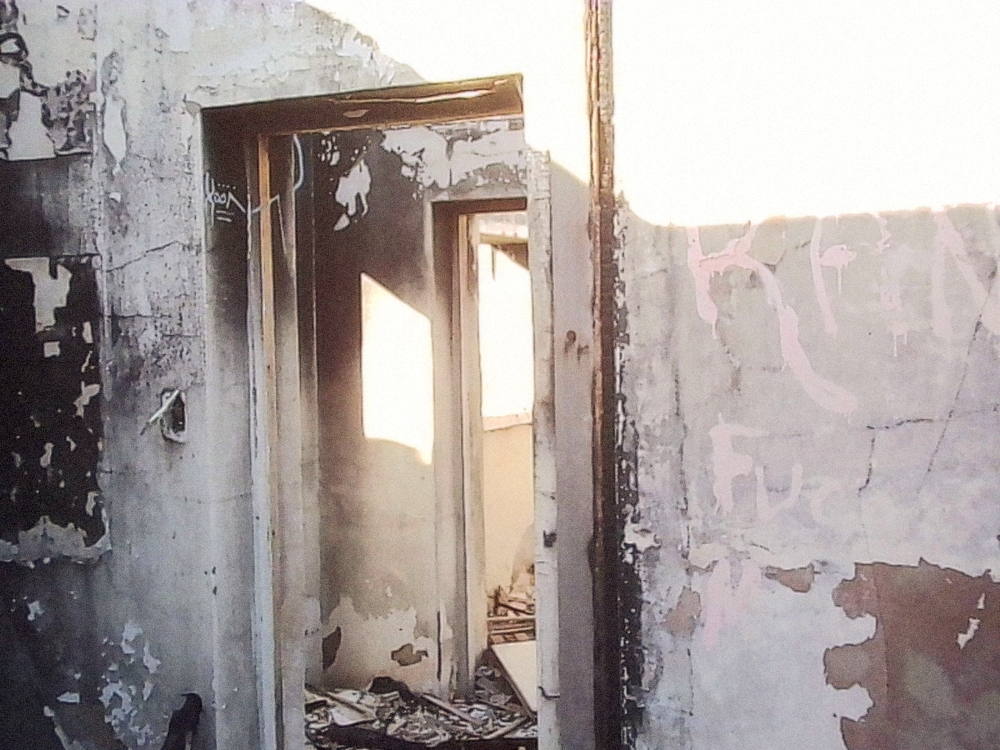
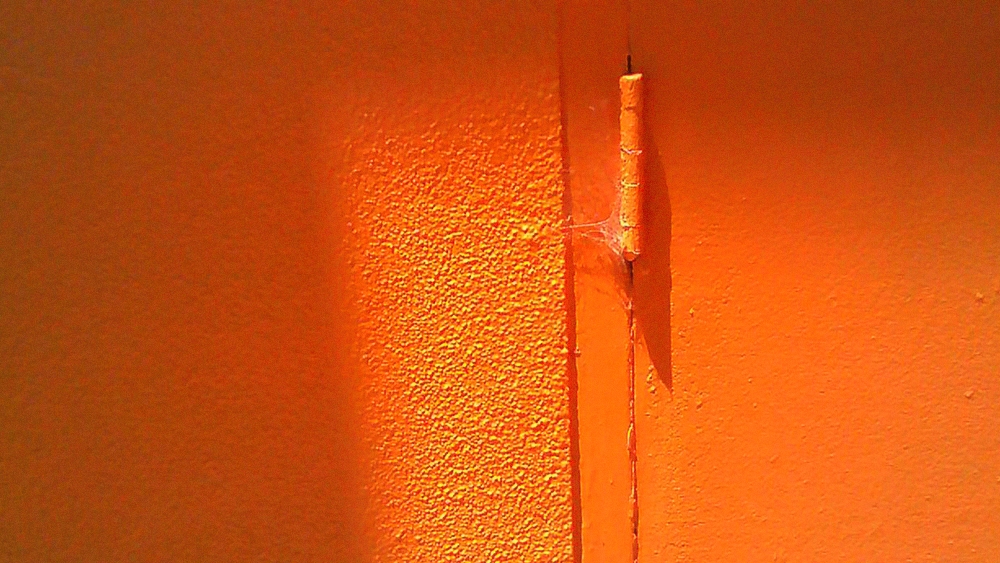
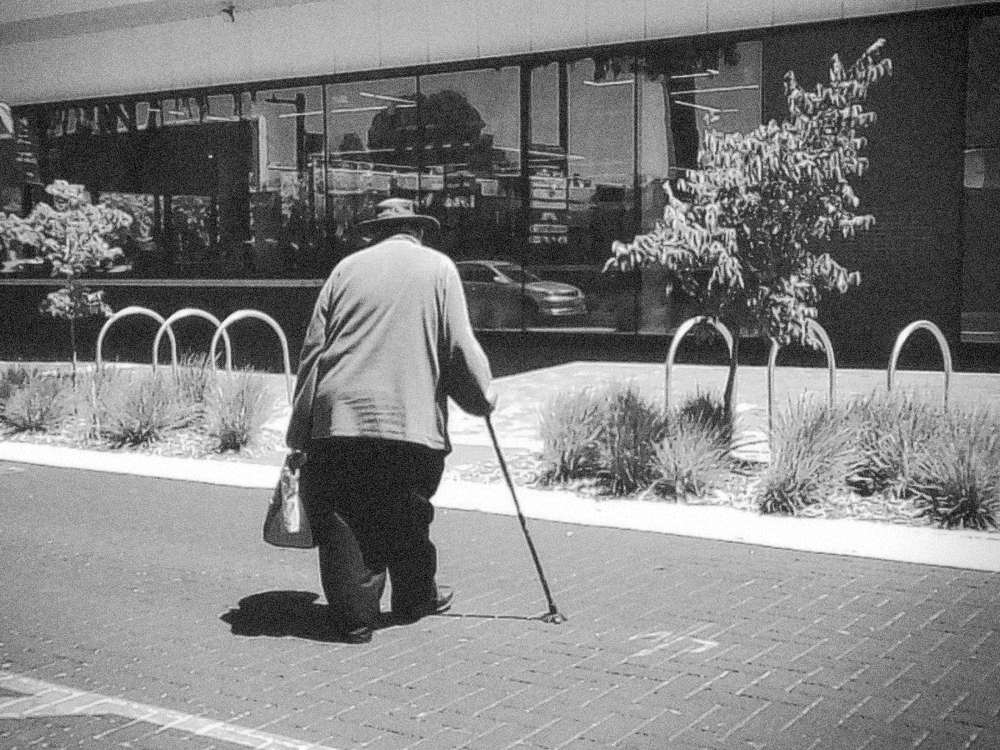
Iron, steel, and wood make a home – Nikon F80

My first digital camera ~ Kodak

My first digital camera was a Kodak DSC 3200, purchased in 2002, I think. It seemed like magic at the time ~ the fact that I could make photos and NOT have to pay to have film developed was pretty amazing. Even better – I didn’t even need to go to the trouble of using a flatbed scanner so I could transfer them to my computer! In a world saturated by digital imagery and modern cameras that can almost see in the dark, this all seems rather quaint.

My Kodak camera might have been magic in my hands, but it was also really frustrating to use – AA batteries that seemed to be good for only a dozen photos, limited internal storage, and a serial cable connection that took an age to transfer files. Still, I was pretty happy with it, and 1 megapixel seemed like a lot at the time. Here are some old photos made by the Kodak DSC 3200 I happened to find:
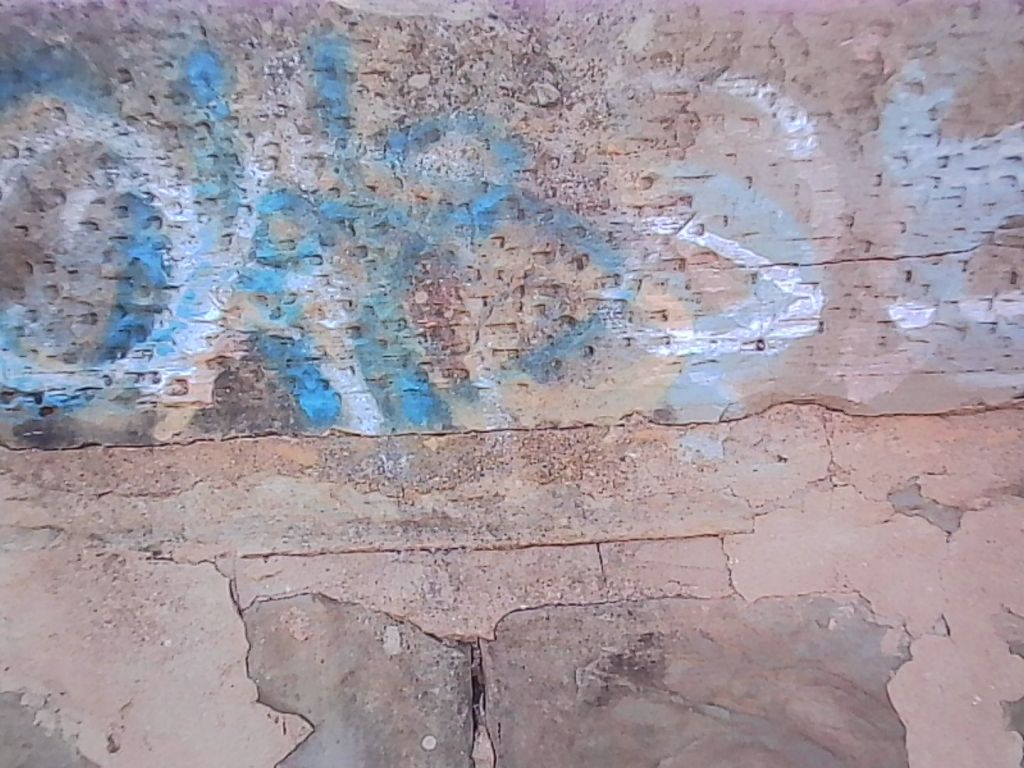
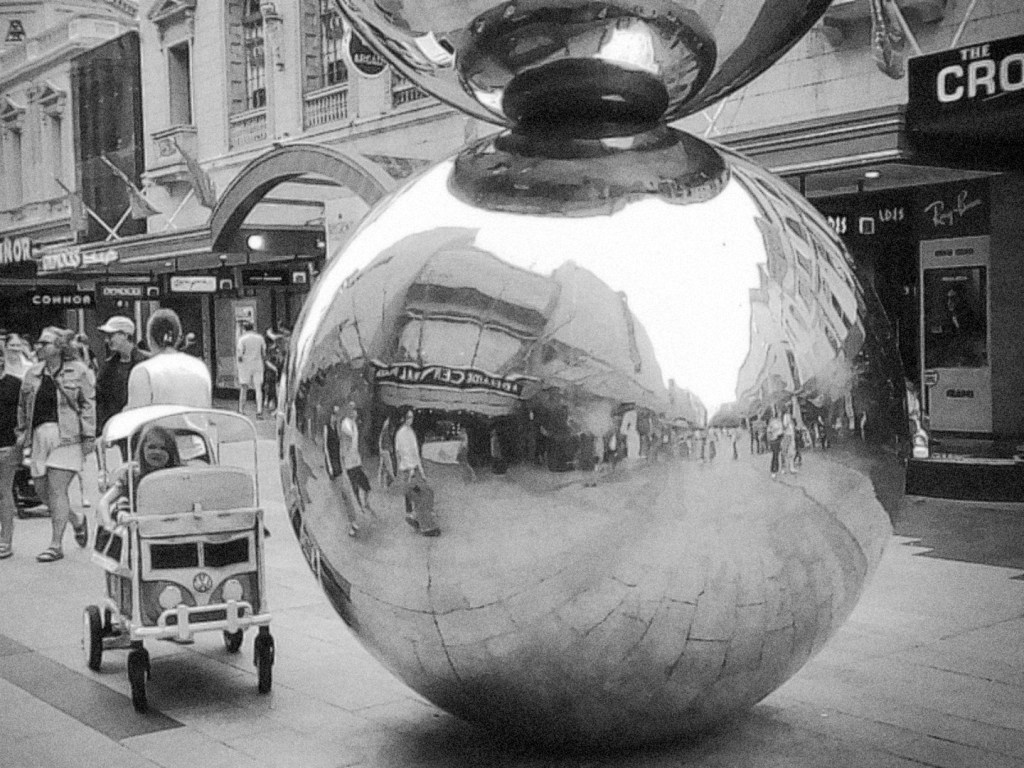
Machinery near the old quarry – Kodak DSC 3200
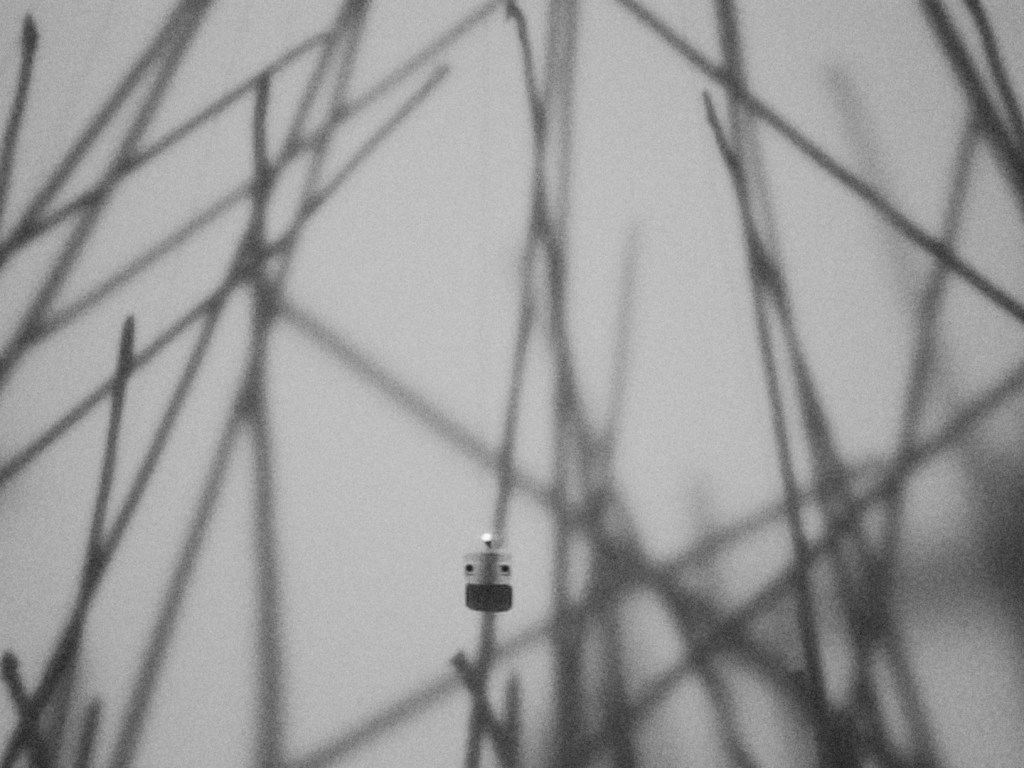
Spikes in my sky – Kodak DSC 3200
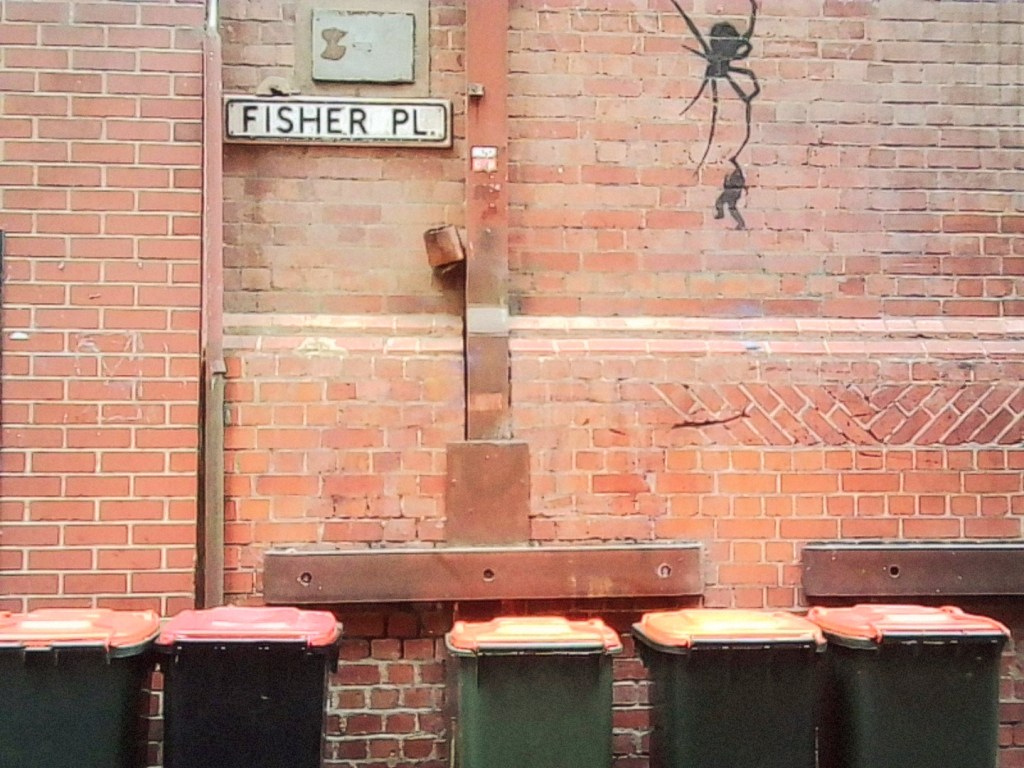
Kodak DSC 3200
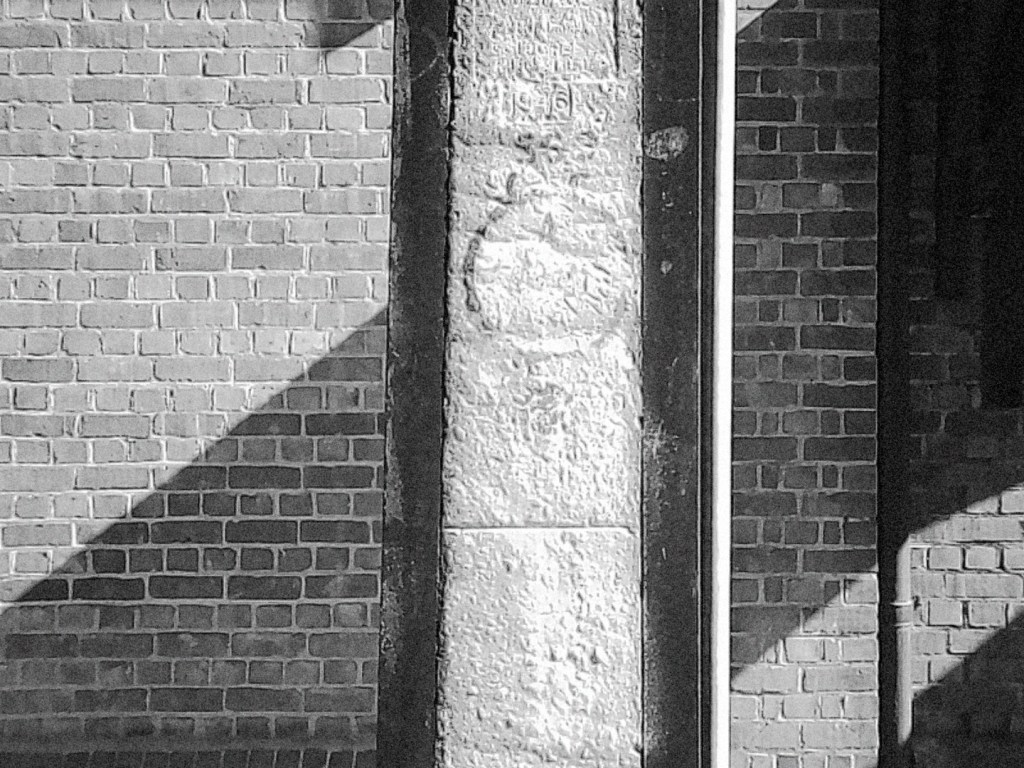
Kodak DSC 3200

Is film photography special to me?

I’ve briefly mentioned elsewhere that I used film cameras growing up. They were nothing too special though. I think my last film camera was an APS (Advanced Photo System) camera from Fujifilm. I liked that this format offered features like extra frames, easy-loading, and panoramic view. In some ways, it was the easy-to-use precursor to digital. It didn’t last long in the camera world as photographers didn’t like the reduction in frame size or the noticeable grain due to the crop. The market take-up of digital was not too far behind either, so APS remains the last turn of the millennium gasp of companies trying to squeeze every final buck out of film.

Sometimes, photographers say they have a relationship with film. I suppose that you might have a fondness for it if photography had been a big part of your life growing up. For me, film cameras were just there for special occasions. I knew exactly one person who had any professional camera gear, and I never saw them use it. My parents were certainly never interested in cameras, other than to document birthdays and other events. Rarely, I might receive a 110 format camera, the aforementioned APS camera, or go out and buy one of the cheapo plastic disposables. The best 35mm film camera I ever owned was given to me by my late father – a Chinon with a tiny lens and auto-rewind. I used it for a while until the film motor broke down.

Red Tree – Winpro 95 film camera, made by Webster Industries

I didn’t nurture a passion for photography from a young age, partly due to not having the financial means or the inspiration around me. Some of it also has to do with the fact that I’ve never been very technically minded or confident in my ability to learn such things. I always saw high-end photography as the pursuit of those who could afford it and those who could understand the numbers behind it.

When I was gifted my first APS camera, I enjoyed the ease of the exercise. I probably made more photos with that camera than with any other previously. I’ve since lost those photos, but I do remember becoming very interested in framing scenes and doing so in a way that pleased me. I think this is when I really started to develop an interest in the wider world of photography, though my bank account wasn’t always up to the challenge.

Very Orange Sunset – Smena 8 with home-made redscale film

When digital cameras came along, I was pretty excited. Though my first was a Kodak with a measly 1 megapixel and terrible battery life, I loved the immediacy of the experience. There’s something to be said for waiting for film to develop and unwrapping it like a gift, but digital offered me the chance to learn how to make better photos through immediate feedback. That’s when things started to really make sense to me and my, up to that point, nebulous and undefined interest in photography solidified.

Blue light railway – Winpro 95 film camera

A few more from the Olympus E-1

The Olympus E-1 is quickly becoming one of my favourite cameras. There’s a certain solidity to the photos from it. The mid-tones are strong and the tone curve applied in-camera produces really attractive images. If there’s anything to the CCD versus CMOS sensor argument, the E-1 is likely one of the best arguments for CCD being inherently superior. None of this is to suggest that modern cameras can’t produce amazing images, of course.

Crystal Lake – Olympus E-1

With my time currently limited, the fact that the RAW files from the E-1 require far less editing than expected is a big positive. And I still think that people are overpaying for cameras like this. It may be a really nice camera, but it lacks many of the niceties we’ve become accustomed to on our modern cameras. The limited dynamic range can be a problem in difficult lighting conditions and there’s no Histogram or highlight blinkies to check exposure. This does lead me to more carefully consider the tonal range of a scene and whether I use ESP or Spot metering, so it’s a good thing for learning, really.

Mine also has a few issues – a missing eye-cup and the mode dial is stuck in either Program mode or Manual mode. The eyepiece is not an issue but the mode dial is frustrating. I can live with it though. It does serve to remind me that this is an old camera now and it won’t last. Yet another reason not to overpay for old tech!

Table for Three – Olympus E-1

I’d also taken out the Finepix S5600 along with the E-1 in my camera bag, but once I opened up the Finepix files at the end of the day, I was disappointed. If I hadn’t been using the E-1 all day, the Finepix would likely have pleased me enough. But looking at those photos side by side, the E-1 completely blows the Finepix out of the water.

I feel a sense of melancholy when I use the E-1 though. Olympus isn’t the company it used to be, with the imaging arm now sold off and owned by OM Digital Solutions. The E-1 is every bit a lovely camera from a different time. It was a time when digital photography wasn’t quite yet mainstream and venerable companies like Olympus were putting every effort into the new digital market – enticing film shooters with the promise of not having to pay for film development.
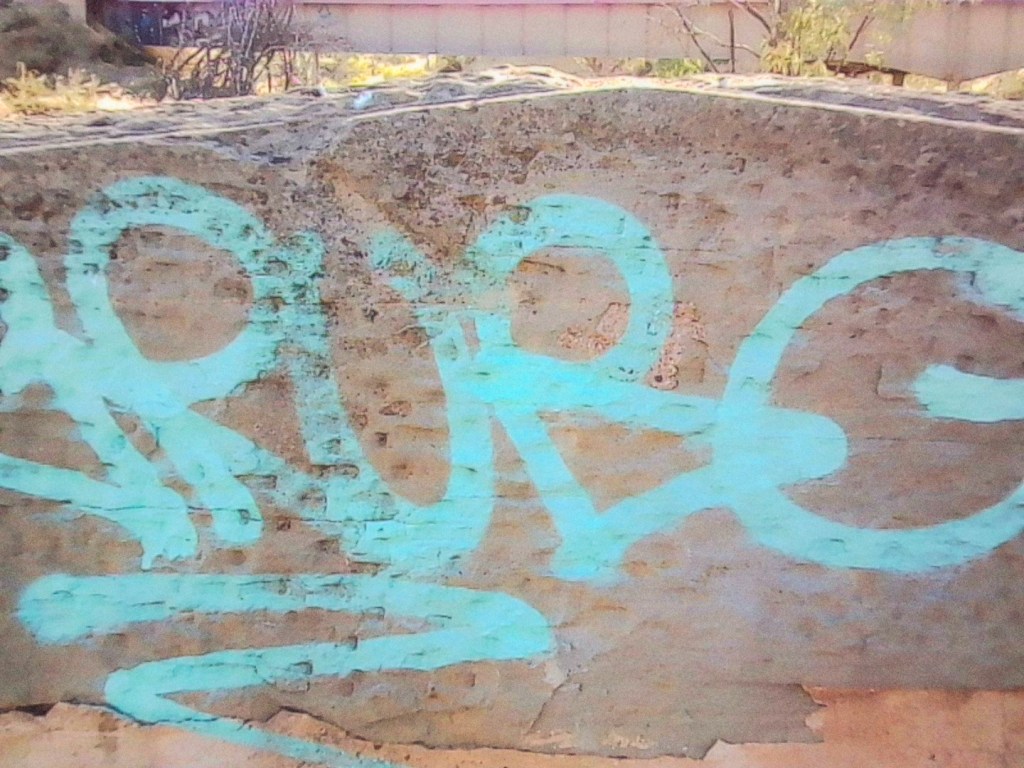
I can’t help but feel that the E-1 contains as much technical mojo as Olympus could pour into it. The collaboration with Kodak represents the shared vision of two traditional companies focussed on surviving in a rapidly changing photography landscape. Ultimately, neither company managed to escape a brutal market where smartphone cameras defined the new rules, with severe decline causing them either to be sold off piece by piece or handed over to new owners divorced from company tradition.

Antiques – Olympus E-1

First time out with the Olympus E-1: Kodak Colour Science?

When the Olympus E-1 was introduced in 2003, it was the first time a company had designed a camera exclusively for digital photography from the ground up. And the Olympus E-1 was, in every way, a camera designed for the pro digital photographer. Not only is it the best feeling camera I’ve ever held, it also features a dampened shutter sound that has been described by some as a soft hug. The sweet mechanical kiss of the, clearly over-engineered, shutter mechanism adds positively to the experience of using this chunky and well-made device.

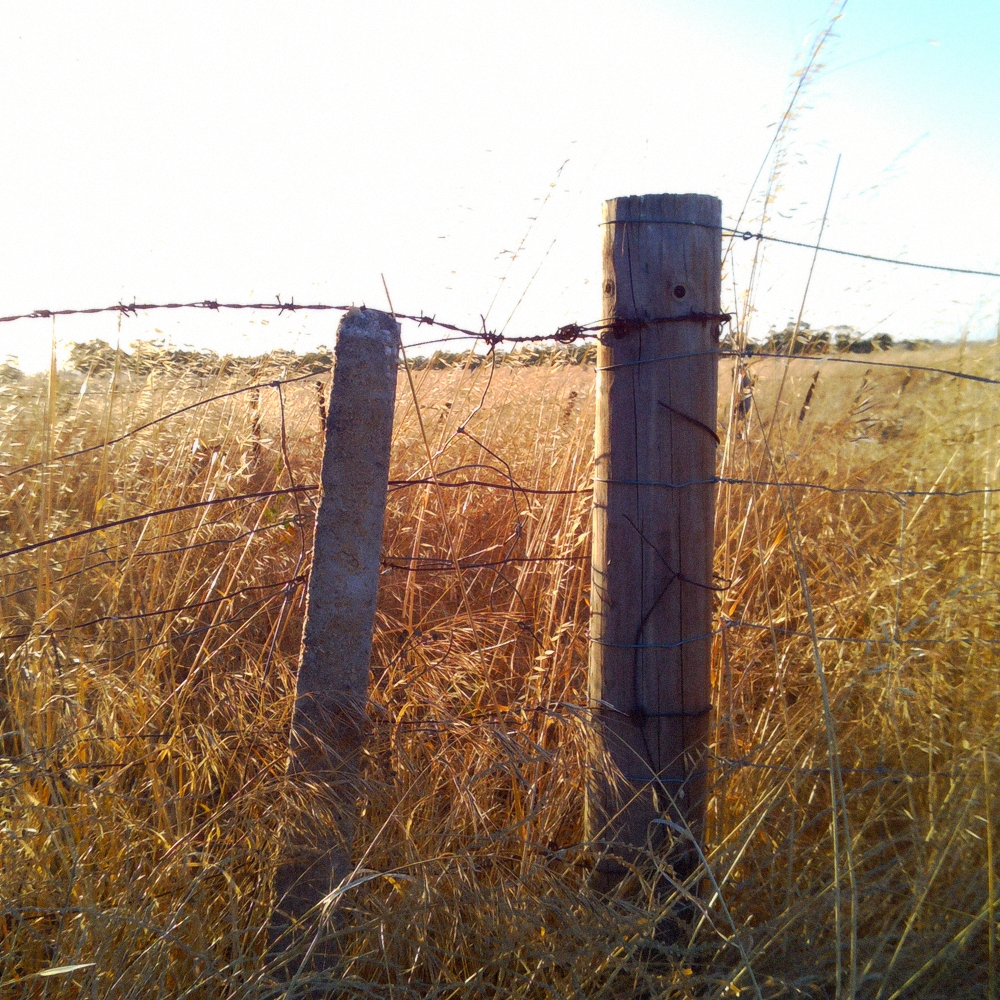
Beyond grassy edges – Olympus E-1

Kodak Colour Science?

There’s some thought that the Kodak-made CCD digital sensor in the E-1 has some magical properties that produce amazing photos and amazing colour. It’s hard to comment on that, as I haven’t enough experience with it yet. However, I’m pretty certain that Olympus tweaked the on-board software to make some great looking photos so as to appeal to the professional film shooters of 2003 who were stubbornly holding onto their film stocks.

The photo above does look good after editing the TIFF file in Lightroom, and I didn’t need to do a lot of editing at all. You’ll see that highlights are easily burned out, so using negative Exposure Compensation to protect those highlights is a must-do in certain kinds of light. I recorded in-camera to TIFF format just to see if I could recover more detail from shadows and highlights. I was certainly successful at recovering plenty of shadow detail so it’s best to expose for the highlights and recover the shadows later.

Mostly in shadow – Olympus E-1

The Olympus E-1 is a very satisfying camera to use, and that’s mostly down to the ergonomics. Sporting a weather-sealed, thick magnesium-alloy body, the E-1 absolutely feels like a pro camera. Mine came with the old 14-45mm kit lens and it’s certainly a pretty good performer. They really don’t make cameras like this anymore!

It’s clear that Olympus threw everything at this camera and likely hoped it would attract the pro film crowd over to their Four-Thirds digital system. This makes me wonder what we’re really paying for these days when we spend thousands on a camera body and it’s not even built to the same specifications as this old E-1! Not that this camera was cheap at the time.
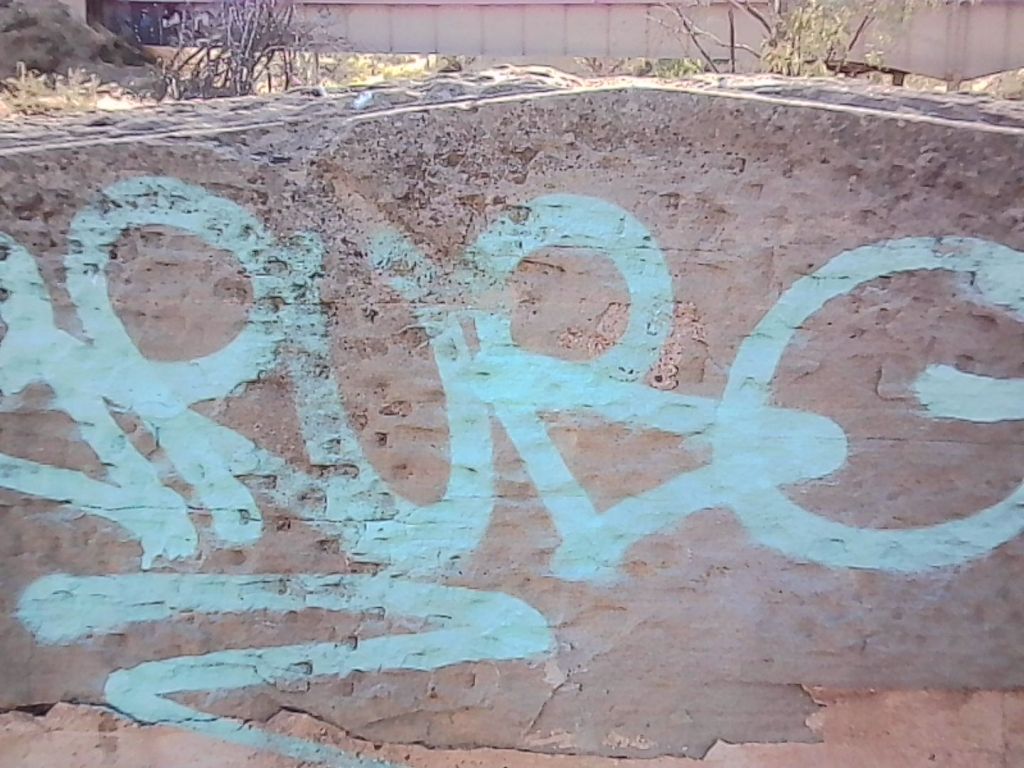
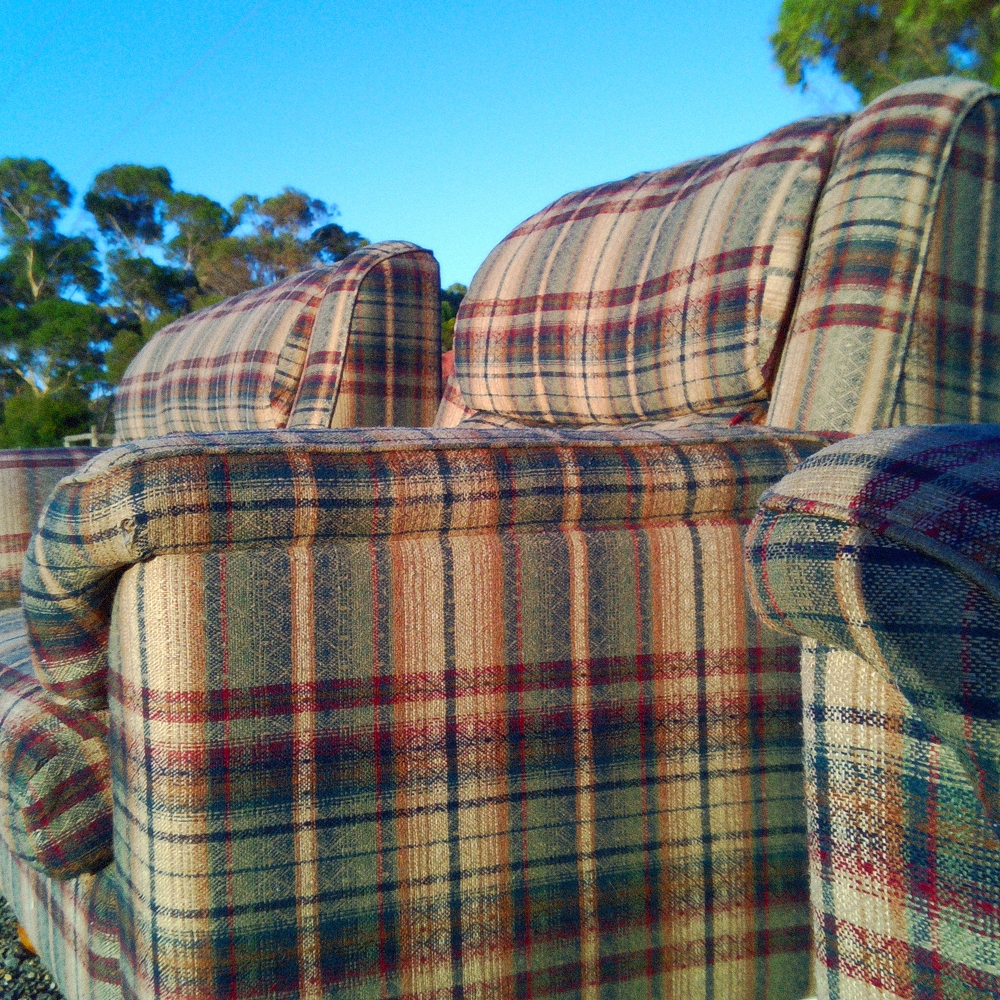
Built to the edge – Olympus E-1

Is the magic real?

In some ways, it doesn’t much matter if the Kodak sensor has some inherent superior colour properties or not. The E-1 is just a joy to use. That’s as long as you don’t mind limited dynamic range, and the need to protect highlights and do some editing. The camera does churn out some great looking photos and I look forward to trying it in many more scenarios. And lastly, no other shutter sounds this gentle!