The Olympus Camedia C-770 Ultra Zoom ~ 4 million pixels of unhurried contemplation

Just as I once developed a taste for the Fufifilm Finepix series of bridge cameras, it seems that I’ve developed a similar taste for old Olympus bridge cameras. I blame it on the recent resurrection of my Olympus C-725!
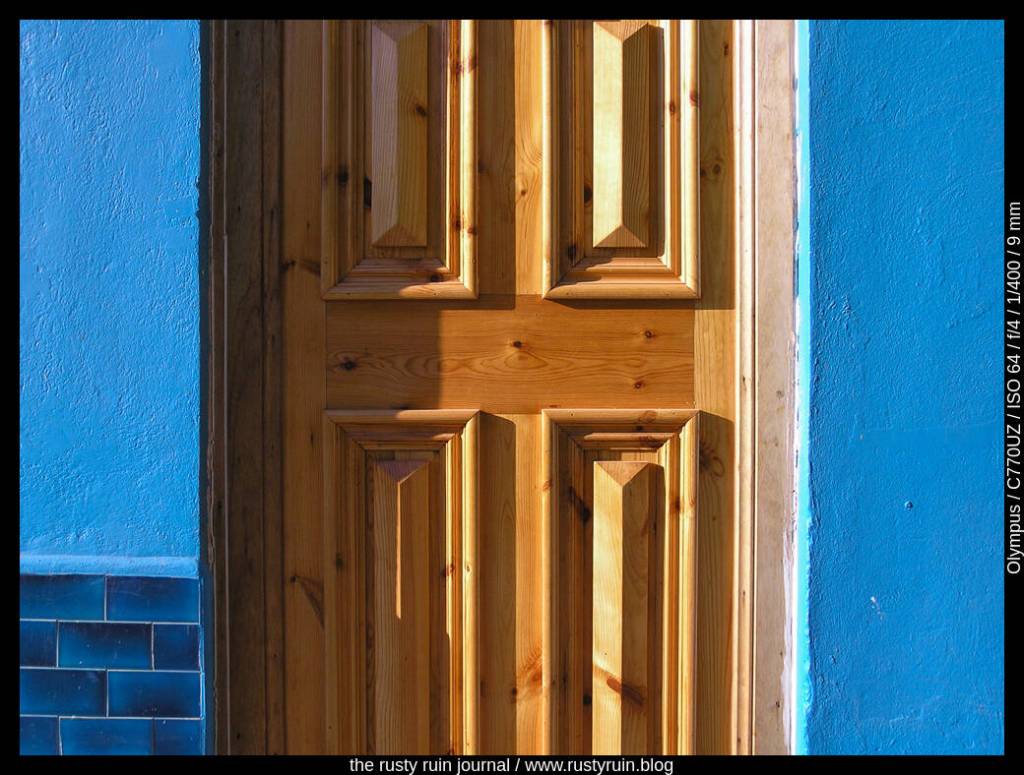
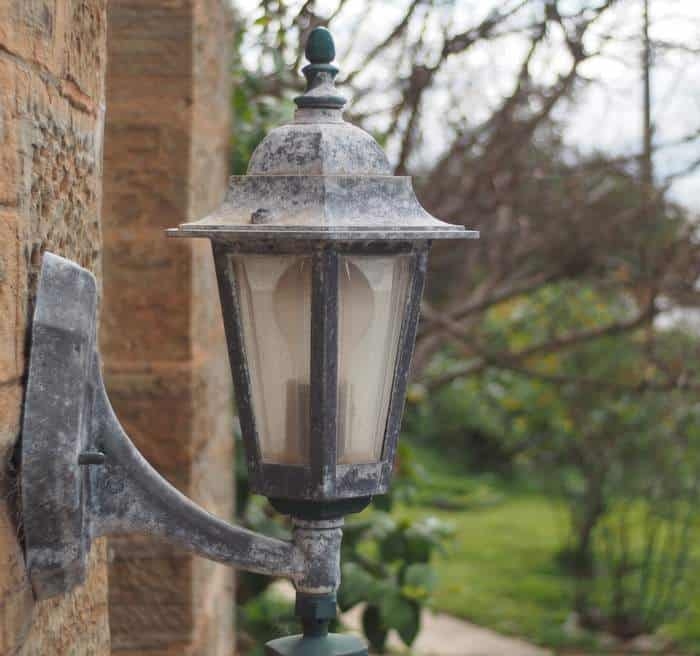
Behind the varnished door – Olympus C-770

On paper, the Olympus Camedia C-770 doesn’t seem like much: 4 megapixels, shutter lag that would annoy today’s impatient camera users, a 1.8 inch TFT screen, a longer start-up time than you’d hope for (good for those with a contemplative photography bent), and the need to use an XD card as a means of storage – let me tell you, those XD cards aren’t especially cheap.

Despite the negatives, there are surprising positives: an excellent lens with a sluggish 10x zoom; a decently fast 2.8 aperture at the wide end; a double (yes, double) flash for nuclear tests with unsuspecting portrait subjects; a respectable Electronic Viewfinder (yes, these old digital cameras carried the DNA of modern mirrorless cameras); a very readable EVF information overlay that includes a live Histogram; level settings for Sharpness, Contrast, and Saturation; the capability to record TIFF files if you can deal with the slow write times to the XD card (only 8 bit, unfortunately); and an enlarge feature that seems to engage an upsizing algorithm and makes those 4 megapixel files into 8 megapixel-sized files.
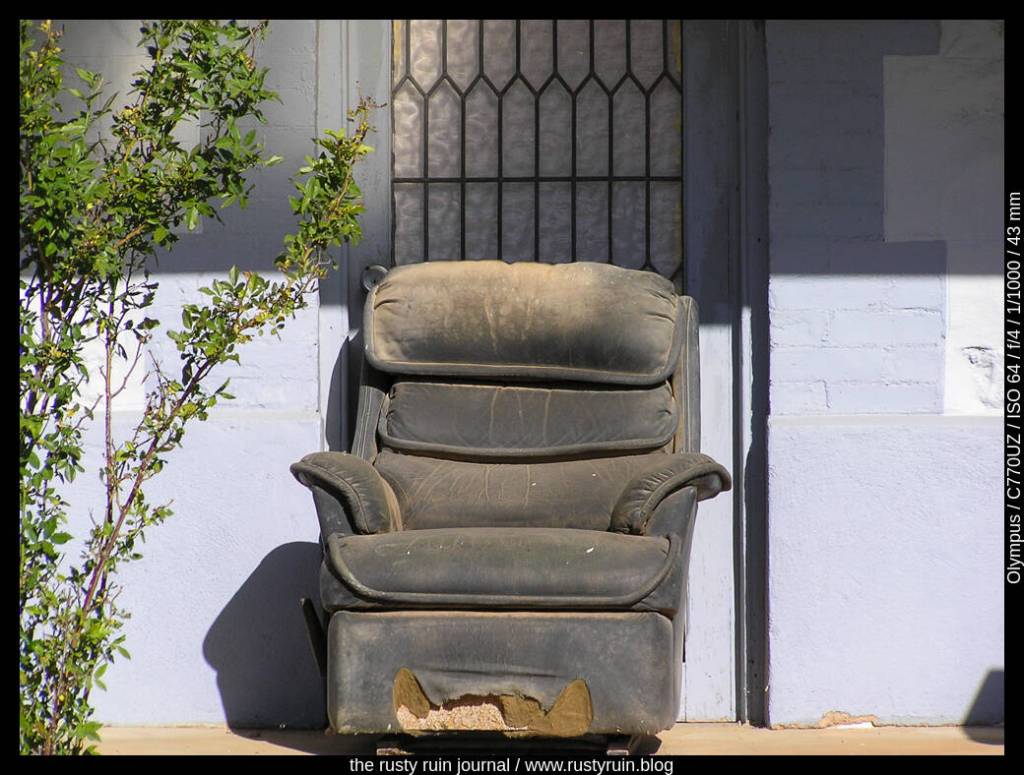
Have a seat – Olympus C-770 Ultra Zoom

I set the camera to record Super High Quality JPG files, dialled back the Sharpness and Contrast by -1, and increased the Saturation +1. Out of the camera, the images are pleasing. At 64 ISO, the digital noise pattern is so fine that it’s negligible. Of course, you wouldn’t want to push such an old camera beyond ISO 400 anyway, unless more digital noise is your goal. Nor would you want to entertain a low shutter speed when zooming enthusiastically, as there’s no vibration reduction or image stabilisation.
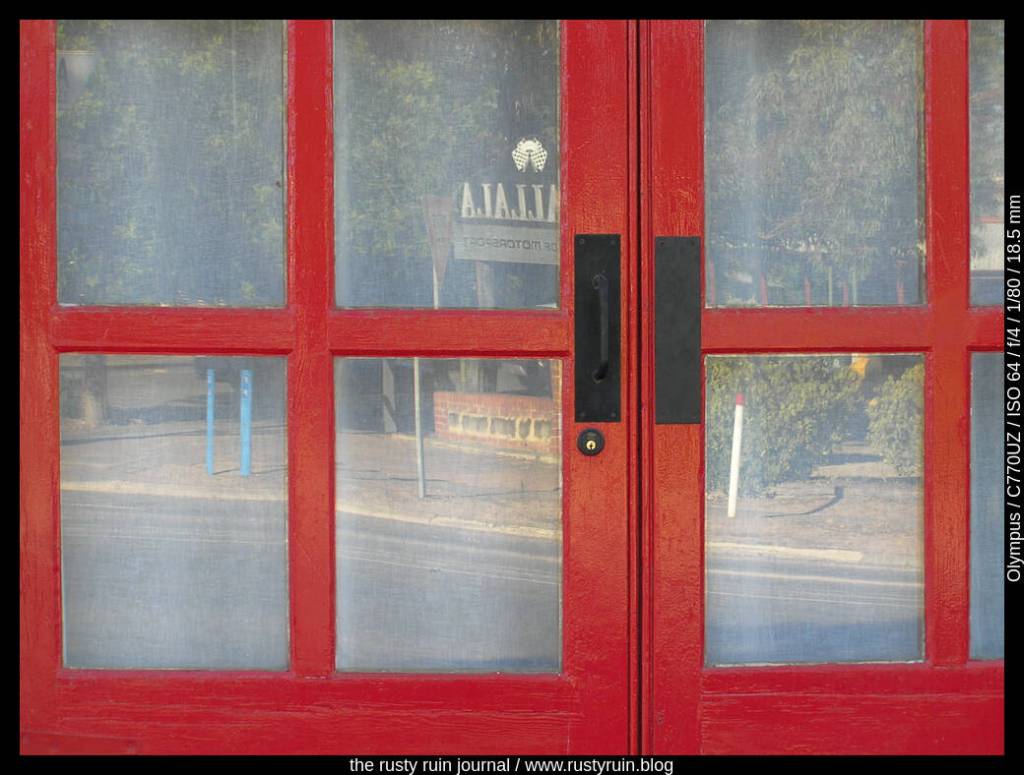
Red door corner – Olympus C-770

LIke the Olympus E-1, the Olympus bridge cameras are great little image makers when used within optimal limits ~ high dynamic range scenes will punish these old sensors and you’ll be forced to crush blacks or blow highlights. To compensate for these limits, I choose my scenes carefully – evaluating the dynamic range before putting the camera to my eye. Often, I’ll recompose, making decisions on how many shadows/highlights to include and how this will affect my vision for the final photo.
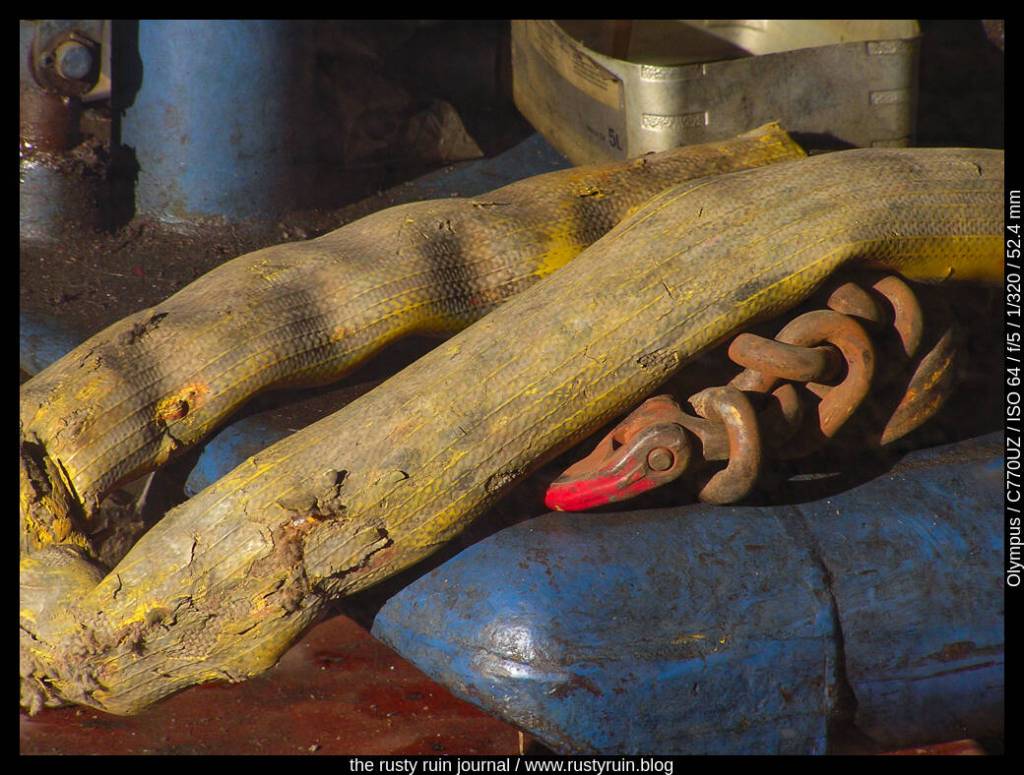
Worn and weathered gear behind the old shop window – Olympus Camedia C-770 UZ

Discovering quiet corners ~ the transient and the imperfect

Feeling sentimental, I recently took the newly revived Olympus C-725 to a local marina on New Year’s Eve. It was a lovely night with friends and family. I also packed the Kodak Charmera of course, having been my 30 gram pocket companion since Christmas. Since the ageing 16 megabyte XD card in the Olympus only holds a maximum of 21 photos at the High Quality setting – a storage concern sure to vex many modern digital camera users – I reached for the Charmera once I received the dreaded Olympus Card is Full message in bright orange text.

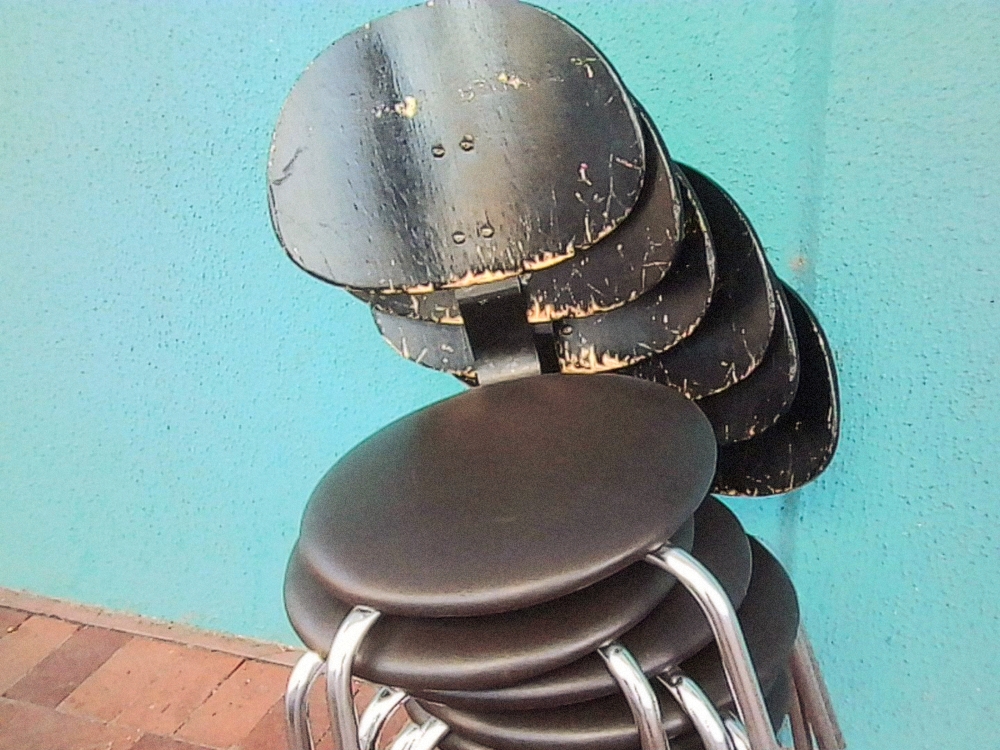
Stacked for the evening – Kodak Charmera

Encouraging a playful mindset, the Charmera encourages photos that are both ordinary and atypical. Divorced from the need to create a worthy image with a worthy camera, there are no gorgeous sunsets or beautiful portraits. There are instead worn chairs stacked against a blue wall and orange chairs stacked atop a weathered table. Beauty in the ordinary – liberated from the gear – Kodak wabi-sabi – the appreciation of the imperfect and the impermanent.

Orange chairs chained to a wooden table

The glow of angled orange plastic at sunset, set against the wood and brick, with a hint of blue wall – an ordinary scene recorded by a distinctly ordinary toy camera.

The size of the camera doesn’t matter. The quality of the digital sensor is just another tool to be used wisely. What matters is the encouragment of the eye and the imagination in the moment.

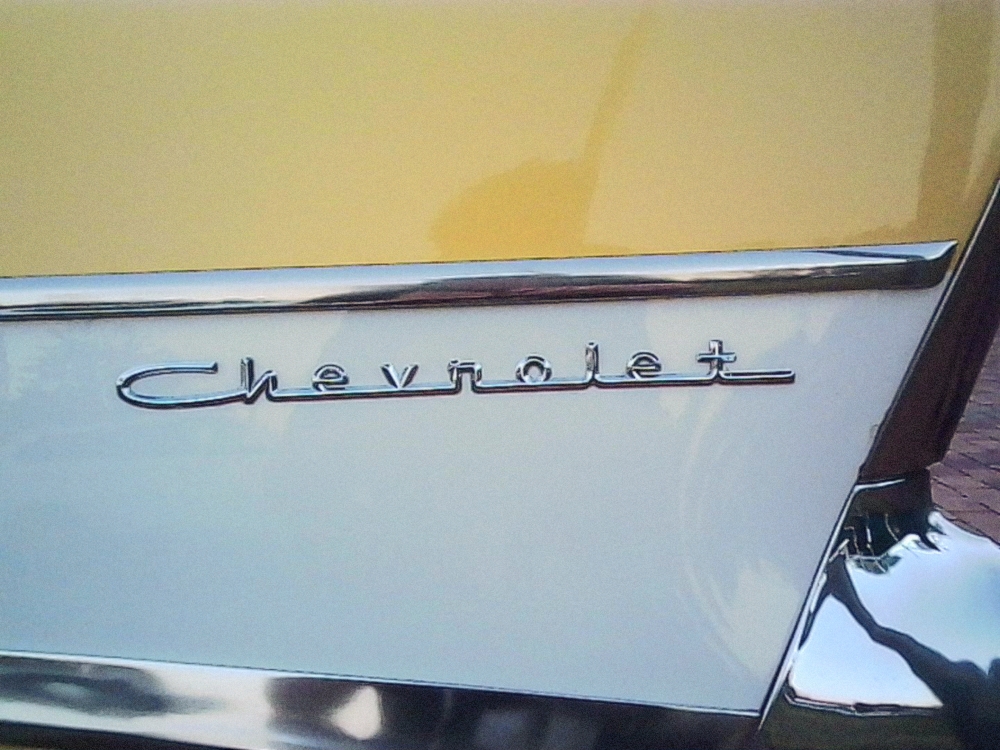
One corner of a Chevrolet

Closing the circle ~ a sunset with the Olympus Camedia C-725 Ultra Zoom

I purchased the Olympus C-725 Ultra-Zoom sometime in 2004, excited by the prospect of the included manual modes and extra features as a step-up from my Kodak. At the time, I was eager to improve my minimal knowledge and explore the mode dial and learn the basics of photography. As it turns out, this silver all-plastic Olympus proved to be my bugbear. It would not be until 2013 that I picked up another camera more complex than this one.

Through the use of various cheap film cameras in the 1990s, I came to realise I had more than a passing interest in visual artforms. As digital photography started to take-off, I decided to nurture this growing interest and paid a lot of money for the Kodak. It was fun, but I decided I needed a more capable camera so I could brush up on the technicalities.

Homes and masts at the marina – Olympus Camedia C-725 Ultra-Zoom

I remember going out with my father, in mid-2004 perhaps, with the express intention of us both buying a new digital camera. He was always keen on new technology. As we browsed the shelves, we picked up every model from Fujifilm to Olympus to Kodak to Sony to Minolta. The model number particulars of the 4 megapixel Fujifilm camera that he purchased escape me now, and I’ve been unable to locate it in his boxes of things. It was the Olympus that appealed to me though.

The Olympus name resonated with me. It spoke of quality and longevity – something that seems both trivial and naive now in the context of the sale of their imaging arm in recent years and the rebrand under OM Digital Solutions. But 2004 was a different time in photography. It was the weird and confusing intersection of more than a century of film culture and the new digital kid on the block.

A silver finish, a boxy plastic design that would make modern mirrorless camera users weep, a mere 3 megapixels, PASM modes, and a huge 8x zoom caused me some excitement. Here, I thought, was a camera that could really teach me about photography! As it turns out, my father had a lot more easy fun with his pale gold plastic Fujifilm Finepix camera.

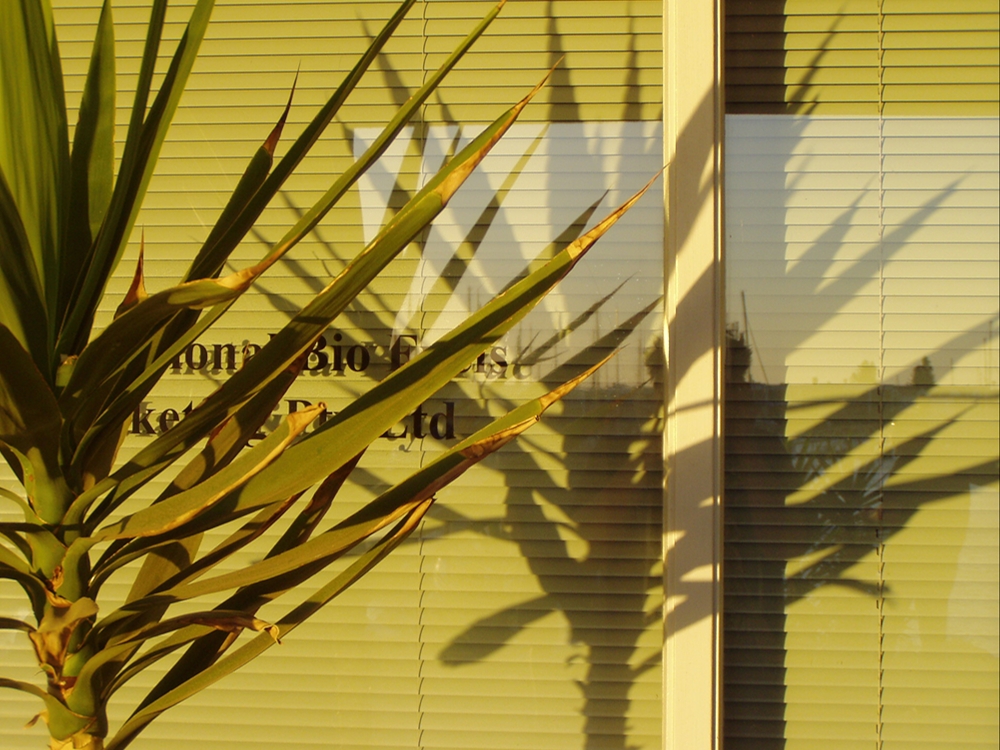
Sunset colours reflected in office windows – Olympus C-725 UZ

The heart of the problem is that I didn’t allow myself to have fun with this camera. Rather than focus on playful image making and the development of my eye and imagination, I placed enormous pressure on myself and turned the mode dial to Manual and left it there. That’s where I thought I had to be to learn properly. Not only did some early web forums demand this practice of newcomers, but I was also wont to be overly harsh with myself at the time. It may be that I used the mode dial to sabotage my learning.

After struggling for a week or two, all the fun drained away and my initial enthusiasm turned sour. I put the Olympus in a drawer and told myself sternly I’d never be able to learn proper photography. I limited myself to easy one-button point and shoot cameras until I purchased a Nikon DSLR in 2013 – almost a decade after buying the Olympus.

The Olympus was synonymous with my failure until I dusted it off last night and made some photos. I finally made my peace with myself and the camera. Maybe the experience also taught me I wasn’t ready for that type of learning at the time and that using easy cameras for a while was the best thing I could do because it was fun.

So, I’ve come back to the boxy silver Olympus and, having once discarded it in the throes of self-disgust and wasteful gadget buying that speedy technological transitions in consumer societies encourage, I’m finding it a joy. It may be a cumbersome and slow thing, with a design that speaks to the early 2000s, but the photos are quite pleasing I think.

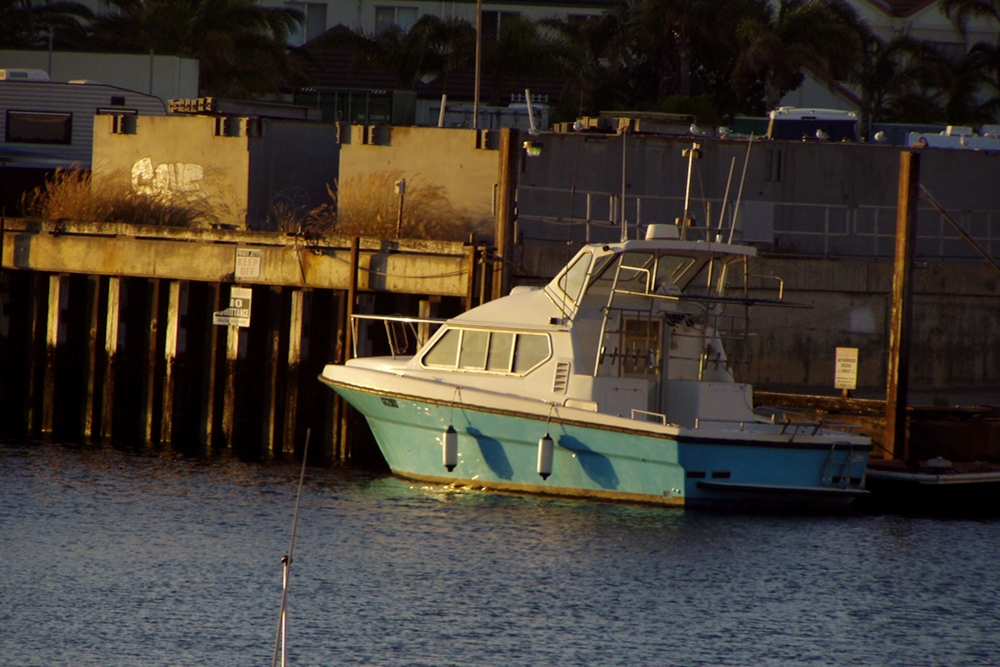
Blue boat at sunset

Limited to a maximum shutter speed of 1/1000th of a second and ISO that tops out at 400, it demands the right conditions for the best results. My fingers fudged over the various buttons without the benefit of muscle memory last night, but I think the photos have a nice quality about them. I set the Sharpness and Contrast to Low, so as to provide maximum editing flexbility. I don’t mind the softness of the images though. The lens gets pretty mushy around the edges of the frame, especially at maximum zoom, and there’s plenty of chromatic aberration in backlit scenes, but after using so many cameras in the twenty years since I hid the Olympus away in self-despair, I’ve broadened my aesthetic sensibilities enormously.

Here’s a photo that’s overexposed. I like the dreamy look of it and that the optics picked up the nice veiling orange flare from the setting sun:

Dreams of the marina by the sea – Olympus C-725 UZ

Why pack more than one camera? Thoughts on vanity, bag space, and lens mounts

How many cameras do you pack when you go on a road-trip/holiday/vacation/adventure? If you’re not a photographer, you might pack one camera. Or maybe you just pocket your smartphone and use that for all photos?

In my previous post, I was thinking aloud about what camera gear to pack for our impending road trip. In the comment section, another blogger, Disperser Tracks, asked me why I’d pack as much as I’m planning to if the goal is to pack light? It’s a great question and one that has often crossed my mind.

Bags everywhere – Nikon D5100 and Tamron 17-50

If my ultimate goal is to pack lightly, why not just pack the smallest and lightest camera I have and be done with it? Why bother packing anything else? Why cram gear into bags that are bursting at the seams?

  • Is it about ego and vanity? Am I trying to look impressive in the field? I don’t think so. I rarely meet other photographers on my travels. I’ve used all kinds of cameras, crappy lenses, and pieces of plastic when standing near photographers with expensive lenses and cameras. I’m interested in what they’re using and what they’re doing, but I don’t think about how I look next to them. Feeling insecure was an issue when I first started with a DSLR, but not now. I’m comfortable with my photographic approach. I make vast efforts to be aware of my inner world, my motivations, my reason for doing something, my intent, and my beliefs.
  • What about being prepared? Photo opportunities on the road are often last-minute stops. There isn’t much time to swap lenses and fiddle about. Having two camera bodies with different lenses mounted allows me to choose the best option quickly. Do I need a fast prime lens? Got that on my Nikon Z5. Do I need a telephoto? Got that mounted on the Nikon D3400 today.
  • It’s about the game of mounts. I actually don’t have a telephoto lens for my Nikon Z5 in the native Z mount but I do have one in F mount for my older Nikons. It makes sense to use the right lens for the right body. Likewise, I have a wide 20mm Z mount lens for my Nikon Z5 but not one for my older F mount Nikon cameras.
  • Yes, I’m a bit of a novelty seeker. I love cameras and I love photography. I enjoy all of my cameras and like to have options when on the road. Sometimes a Nikon Z5 will serve the moment and other times a Nikon D40X will bring me joy. If something makes a photo, I’m interested. I’ll also pack the Campsnap for some lo-fi fun.
  • Unfortunately, cameras have failed on me. Last year, I had my amazing Sigma Foveon camera fail me in the field as the shutter mechanism malfunctioned. Several years ago, my Olympus EM5 Mark 1 failed me on a day-trip. Call it bad luck, I guess. I pack other cameras just in case something breaks. Call it paranoia!
Surrounded by stuff – Nikon D7100 and Nikkor 50mm 1.8 lens

The Helios 44 lens ~ a Cold War legend

Some years back, I made another blog that was mostly about film cameras, vintage lenses, and digital cameras. That blog is long since gone, but I’m resurrecting some of the better posts here:

Like most Soviet-era lenses, the venerable Helios 44 is built like a tank! One great thing about them is that they’re pretty easy to dismantle and clean. You can’t say the same about modern Nikkor lenses, can you? Helios lenses were manufactured in the millions by innumerable factory workers. Notwithstanding recent problems and bloodthirsty geopolitical games, I’m still quite fond of my Soviet-era lenses and cameras.

I took the Helios out for a spin on my little Olympus E-PM1 digital camera. There’s nothing quite like seeing a big old heavy Soviet lens sticking out of a sleek modern Japanese digital camera. It’s all glorious manual focus of course, but with the chunky metal ring on this example moving so smoothly, nailing focus was easy. All photos are JPGs straight out of the camera without additional processing.

Night Buddha – Olympus EPM-1 and Helios 44-2 lens

As I was walking down the street, I noticed Buddha gracing the hallway of a Chinese restaurant in town. I like the way the door frames it and the combination of colours. It was quite a challenge because of the lack of light. I had to hold very still in order to make this one. It was either that or push ISO to a place I’m not comfortable with on this camera.

Look closely and you can see an ant nestled amongst the white petals. For a mass manufactured lens from 1978, it’s pretty sharp. The combination of old and new technology can yield some interesting results, don’t you think? At a wide aperture, the background is softened nicely, even on a smallish sensor Micro 4/3 camera.

Helios 44 lens flare

Finally, here’s an example of the famous Helios 44 lens flare. Many photogs would cringe and cling to their modern multi-layered ED glass, but I love this effect! See how it softens the image? This veiling flare is an effect that some people spend time recreating in their fave photo editor. I’m getting it with a cheap lens from 1978. Of course, flare, like sharpness, is just another tool in your photo kit-bag. Sometimes you want it and sometimes you don’t.

In use, the Helios 44 is reassuringly heavy and solid. If you’re going to source one on eBay, it’s best to buy one that has either been recently serviced or is in good working condition. Though taking it apart is more straightforward than other lenses, it’s still no easy task. Fortunately, the Helios lens was produced in such great numbers that finding one in decent working order shouldn’t be too hard. The most common problem with the Helios 44 is that the original cheap wax used to grease the innards and focussing helicals tends to seize up after several decades.

The Meyer-Optik Gorlitz Lydith lens ~ 30mm of vintage sharpness

Some years ago, I made another blog that was about film cameras, vintage lenses, and digital cameras. That blog is long since gone, but having discovered a few recent archived posts, I’m resurrecting some of them:

When Hugo Meyer founded his optical works in 1896 in the town of Gorlitz, little did he know that many of his lenses, including the 30mm wide-angle Lydith lens, would become cult classics in the years following the digital camera revolution. These days, Meyer-Optik Gorlitz lenses are very popular amongst legacy lens enthusiasts and often go for high prices on well-known auction sites. After 1971, Meyer lenses were branded as Pentacon. You can even buy a new and up-to-date Lydith from Meyer-Optik ~ same name but not the same company…that’s brand acquisition and marketing for you.

The Lydith 30mm 3.5 lens is not a fast lens. Nor is it especially resistant to flare, due to the early glass coating methods in place at the time of manufacture. But what it lacks in speed and light dispersion qualities, it makes up for in excellent acuity and sharpness.

Olympus OMD EM5 Mark 1 and Meyer-Optik Gorlitz Lydith lens with an adapter

The Lydith lens is well-made and solid, whilst not being overly heavy, and the zebra pattern adorning the aperture and focus rings on my version make it an attractive lens. The wide 30mm focal length translates to a 60mm field of view on Micro Four Thirds cameras, and a 45mm equivalent field of view on APS-C sensor cameras.

The floral image above demonstrates the centre sharpness of the Lydith. On a crop sensor digital camera, like Micro Four Thirds, the sharpness of the lens will be immeditealy apparent due to the fact that the sensor uses only the central area of the lens. Using such a crop sensor camera with old lenses like this is an advantage if you’re the kind of photographer to whom sharpness is important.

Whilst the Lydith is not especially fast, with 3.5 being the widest aperture, it still produces pleasant and smooth out of focus areas. Edge acuity is generally impressive for such an old lens at the widest aperture setting. The bokeh could be considered distracting, but there’s enough subject seperation to make it acceptable, I think. It’s smooth enough, and background highlights are well rounded. The 10-bladed iris helps. There is also no serious chromatic aberration to speak of from the 5 element Lydith in these samples. These photos are all straight out of the camera JPGs on the Natural colour preset from the Olympus, without additional editing.

The excitement of a road-trip and escaping into the world

In the weeks leading up to our annual road-trip holidays, there’s a slow build of excitement that obliterates any pretence of work productivity during the final few days, for me at least. Questions around camera gear take root in my mind many months before setting off – what and how many cameras to bring? What lenses? Will I really need a tripod? How many bags and what kind?

In some sense, it feels as though this holiday in particular is partly about escaping the world’s current problems by escaping into and losing myself in the world. Photography can be therapeutic self-help in this way – reframing the world to suit our own narratives. As photographers, we look at things differently, composing and considering scenes and subjects before us. It’s a distraction from the pressing issues. We’re out there in the world, breathing in all that it offers, yet we’re one shutter-click away from reframing it to suit a story we want to tell so we can help ourselves.

The Panda’s exhausted – Nikon D7100 and 55-200mm Nikkor lens

Packing camera gear

Having recently purchased a Tenba Skyline V2 Shoulder Bag, I’ve been trying out different combinations of camera stuff for daytrips. I won’t have access to all the gear whilst we’re on the road, but a well-stocked easy-to-carry shoulder bag that sits with me in the passenger seat is going to be handy for quick stops along the way. Right now, I’m trying out this combination:

  • Nikon Z5 camera with the Nikkor 40mm F2 attached: This is going to be my workhorse camera. The 40mm Nikkor is about as sharp a lens as I need. I know there are sharper lenses, but this Nikkor is inexpensive, small, light, fast, and sharp. Ok, it’s an all plastic build, but it uses Nikon’s tough polycarbonate material, which seems to be quite durable. It may not be a classic but the results are excellent.
  • Viltrox 28mm 4.5 AF Pancake: It’s a third-party full-frame lens for Nikon’s Z system, nicknamed Chip, and it’s inexpensive. It’s also a strange lens – a true pancake lens (80g in weight), with a fixed aperture of 4.5, a 28mm focal length, a metal mount, part plastic and part metal body, 2 Aspherical and 2 Extra Dispersion lens elements, a USB-C port for firmware upgrades, and a mask that creates 8-pointed starbursts. I’m intrigued by this lens as it’s so odd. Auto-focus in a lens this small and this cheap is unusual. I think it will be much sought after in years to come, but what concerns me is that once the AF motor burns out, there’s no manual focus to fall back on.
  • Olympus OMD EM5 Mark 2 camera: Having gone back to using the Olympus lately, I’ve rediscovered the joys of a lightweight system with high quality. I use a metal grip to add a bit of heft and for better ergonomics. I’m testing out the Yongnuo 25mm 1.7 lens right now, so it’s attached to the camera. I could also pack the Sigma 30mm 2.8 DN Art lens, which is sharp and reminds me of a teeny-tiny Dalek when the hood is also attached.
  • Olympus Zuiko 4-5.6 40-150mm lens: This lightweight and rather small lens gives me an equivalent focal length of 80-300mm on the Micro Four Thirds system. If I want to be as lightweight as possible and give myself flexibility on the road, this lens is essential. Image quality is a bit on the soft side at 150mm, but that’s to be expected in a non-pro Zuiko lens.
  • Sony RX100: I generally take this with my in a day-bag whenever we go out. It’s so light and small and silent that I can use it indoors when I don’t want to bother with a larger camera and lens combination. This one fits easily in the front pocket of my Tenba bag.
  • Other stuff: Spare battery for the Z5, a micro-fibre lens cloth, a small wallet for 3 x 52mm filters (B+W Circular Polariser, B+W 10 Stop ND filter, and K&F Black Mist Diffusion filter), and an SD card holder for spares. I like the K&F Concept Diffusion filter at 1/4 strength.
  • Undecided: I’d really like to squeeze the Nikkor 24-70mm F4S lens in the bag but it’s pretty big and heavy. Finding a home for it in this bag with everything else is going to be difficult, but I think it may be a better option than carrying the Nikkor 40mm and the Viltrox 28mm. It will mean that the Zuiko 40-150mm lens has to live on the Olympus camera. Alternatively, I ditch the Olympus completely and carry the 70-300mm Nikkor ED lens attached to the FTZ adapter so I can use it on the Z5 – but this is a heavy and tall lens.
Behind the red door – Olympus OMD EM5 Mark 2 and Zuiko 40-150mm R lens – as you can see, even at 150mm, there’s acceptable sharpness available after some editing (contrast, clarity, and additional sharpening)

Dreamy photos from the Yongnuo 25mm 1.7 lens

As much as I enjoy my Olympus EM5 Mark 2, I rarely invest in the system. Since the imaging arm of Olympus was sold off and rebranded under the OM Digital Solutions name, I admit that Micro Four Thirds has lost some lustre. It is, of course, a fantastic lightweight system and it would be nice to see Panasonic continue the format under their Lumix brand, though I fear that many camera manufacturers see 35mm sensors as the biggest cash-cow at this point.

It was with some surprise that I discovered the Yongnuo 25mm 1.7 lens for Micro Four Thirds. It’s a Chinese-made product and features a quiet auto-focus motor, which is unusual in such a cheap lens. The body is all-plastic, but it feels and looks good. It’s also the fastest Micro Four Thirds lens I own.

Dreamy vibes from a cheap lens

I made the photo with the lens wide open at F 1.7. The sun flared across the frame, resulting in a soft and dreamy look. It’s pretty sharp in the centre at an aperture setting of 1.7, with the edges and corners looking soft. There’s also plenty of chromatic aberration, especially in high contrast areas, but I think all of this adds to the mood of the photo.
Siloes at sunset – Yongnuo 25mm 1.7 lens

Just before the sun dipped below the horizon, I set the Yongnuo lens to F 2.2, just to sharpen things up a little, and made this photo. I really like the rendering of this lens so far and I think I’ll be packing it for our upcoming roadtrip.

Nitmiluk National Park ~ awe-inspiring gorges, a kit lens, and harsh light

To the local Jawoyn people, the amazing gorges in Nitmiluk National Park (Katherine Gorge) hold special significance. We were fortunate enough to book a short cruise to see some of the many wondrous gorges in the area and view the ancient sandstone rock formations, calm waters, and freshwater crocodiles. This is an area teeming with life and Dreamtime stories.

Nitmiluk National Park, one of the gorges – Olympus OMD EM5 Mark 2 and 14-42 kit lens

Sunlight at the height of the Australian afternoon can be harsh. This is one reason I prefer viewfinders rather than the big LCD screens on so many cameras that get washed out in these conditions. 

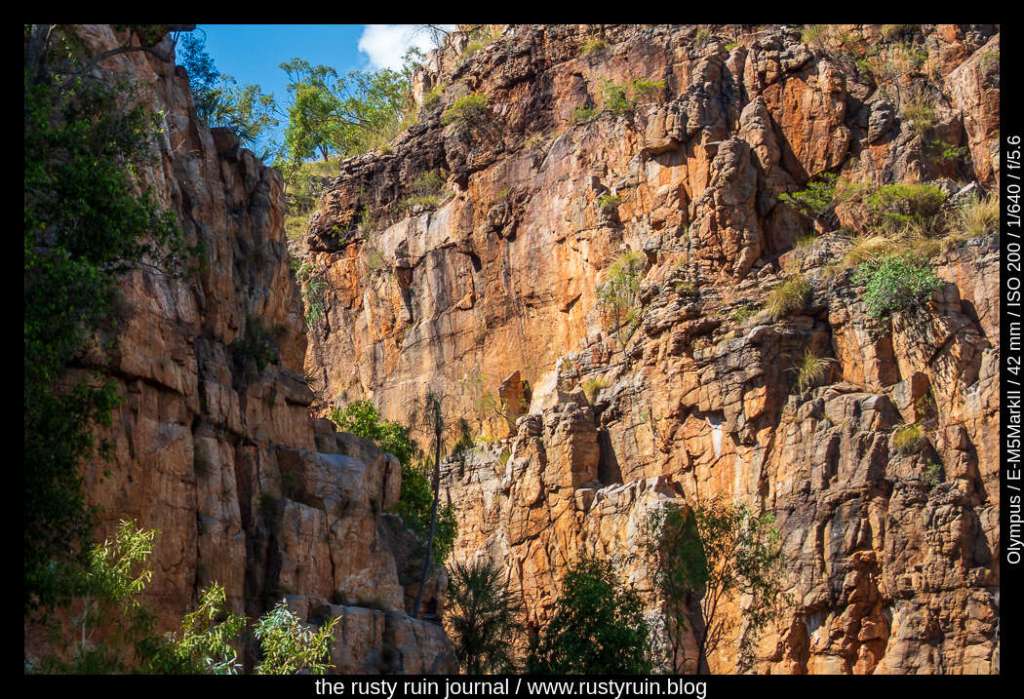
The soft golden light of dawn or dusk brings out the best colours in the outback landscape, but trip timing doesn’t always permit, and you have to work with the tools you have and the light available when the opportunity arises. One quality this strong afternoon light does emphasise: all the textures on the ancient sandstone.

On the day, I packed lightly since I’d been lugging a not insignificant amount of camera gear around on other days (hello Lowepro Nova 200). The Olympus EM5 provides good image quality and lots of control in a small package. It’s just a small pity I’d also decided to take the 14-42 kit lens with me. That’s not to say that kit lenses are bad at all. Nikon makes some great kit lenses, such as the 18-55mm. And this Olympus Zuiko kit lens is no slouch in the image quality stakes – it does pretty well for a cheapish plastic lens. But at times when I want more sharpness to record all of the landscape’s details, it gets a bit fluffy and squishy at the edges of the frame. Still, you work with what you have and the conditions of the day.

Nitmiluk National Park – Olympus OMD EM5 Mark 2

I’ll always say that eye-watering sharpness is generally overrated in photography, but there are times when sharpness is another tool you want in order to communicate certain qualities – the texture of the rocks in this case. Despite some of the shortcomings of my kit lens, careful subject selection, use of exposure compensation to retain as much detail as possible in high dynamic range scenes, and some boost to the red/orange/yellow colour channels during editing helps to make the photos shine. I also reduced highlights to reveal the details of the ancient sandstone.

A patch of sunlight illuminates ancient rock – Olympus OMD EM5 Mark 2 and Zuiko 40-150mm lens

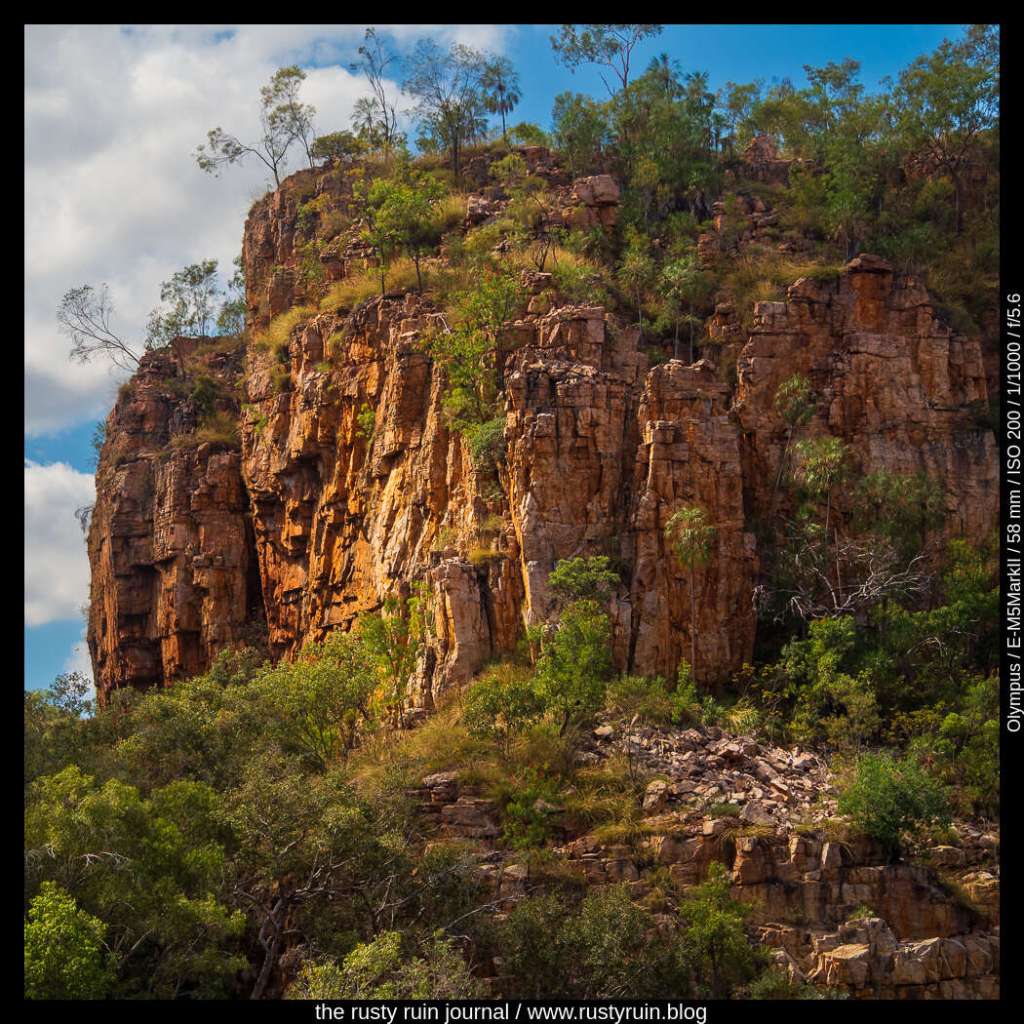
As the clouds grew heavy, the light conditions became a little more forgiving. As you can see in the above photo, clearing clouds also provided an opportunity to record sunlight as it illuminated sections of rock. I used the so-called plastic fantastic 40-150mm Olympus Zuiko lens for this photo – small, light, and really quite sharp at most focal lengths. I guess the message is to know your camera gear and accept and make best use of your tools and the conditions. I’ll freely admit to not knowing all of my gear well enough at times!

The first flush of winter and some photos

Winter seems to have finally arrived and the looming long weekend here is threatening rain and wind. Not fantastic conditions for photo-walks, of course, but some interesting details can usually be found for the lens even on grim days. On this cold night, after a day of work, I’m scouring the file folder and not seeing aything that fires the imagination too much, so a loose photo assortment follows.

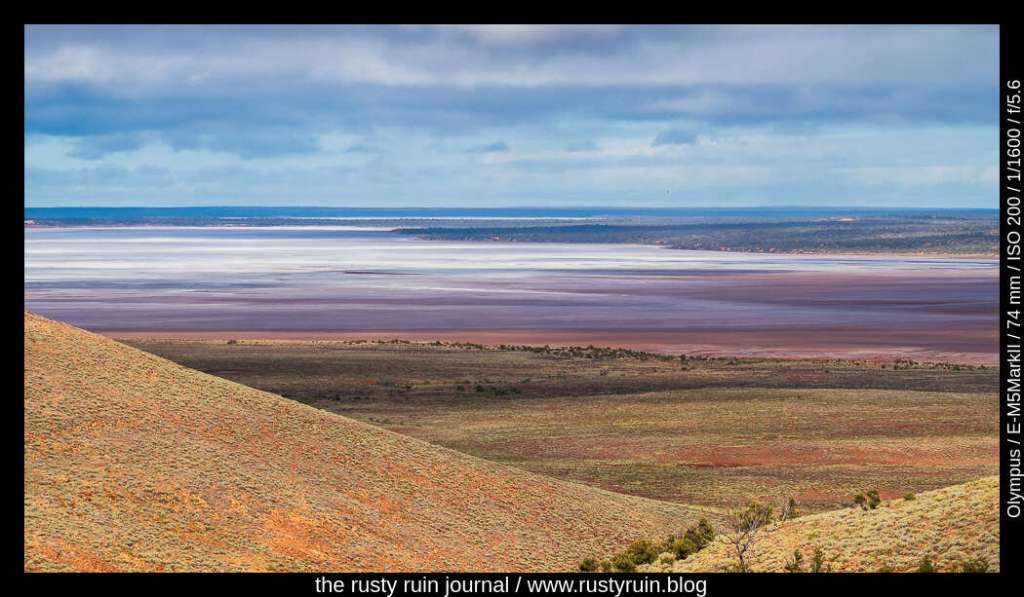
Lake Hart, SA Australia – Olympus OMD EM5 Mark 2

I like the coloured layers in this photo. Driving into the outback not far beyond Port Augusta, lies Lake Hart ~ a vast inland salt lake that’s easily accessible from the rest area and car park. The salt crystals crunch underfoot and the moisture below this top layer gets muddier the further you walk out.

Rusted and overturned car – Olympus OMD EM5 Mark 2

So often, we miss finding an interesting subject to photograph when the sun moves low and the light turns golden. On this occasion, after a day of driving through the Australian outback, we spotted this overturned and burned out car. The sunset rays hit the rusty body just right so that it glowed gold and red and orange. I must have made a dozen photos and this was the only one I was happy with. Always good to get close-up to subjects like this too.

Opal mines hereabouts – Olympus OMD EM5 Mark 2 and Zenitar 16mm Fisheye lens

Have you noticed that I’ve posted very summery and warm photos on this wintry eve? This vehicle has seen better days, for sure. It’s used as a signpost around Coober Pedy now.