
It was the perfect afternoon for us to ramble along a walking trail through century old goldfields nearby. I’d decided to pack the Nikon D40 and the Fujifilm S6500fd. I totally forgot about the Sony RX100 sitting in the zipper pocket of my camera shoulder-bag – the usual go-to in case an old camera flakes on me. I’ll say this about the Finepix S6500fd: the combination of the tiny Super CCD sensor – ancient in digital photography terms – and the long, sharp lens, produce some really interesting photographs at times.

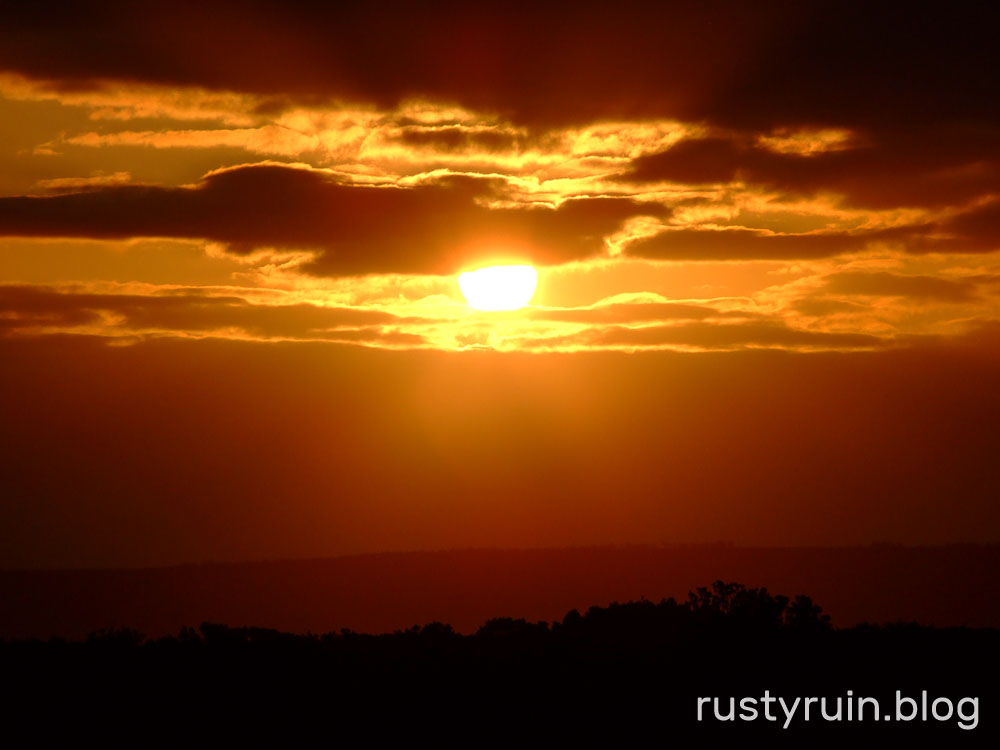
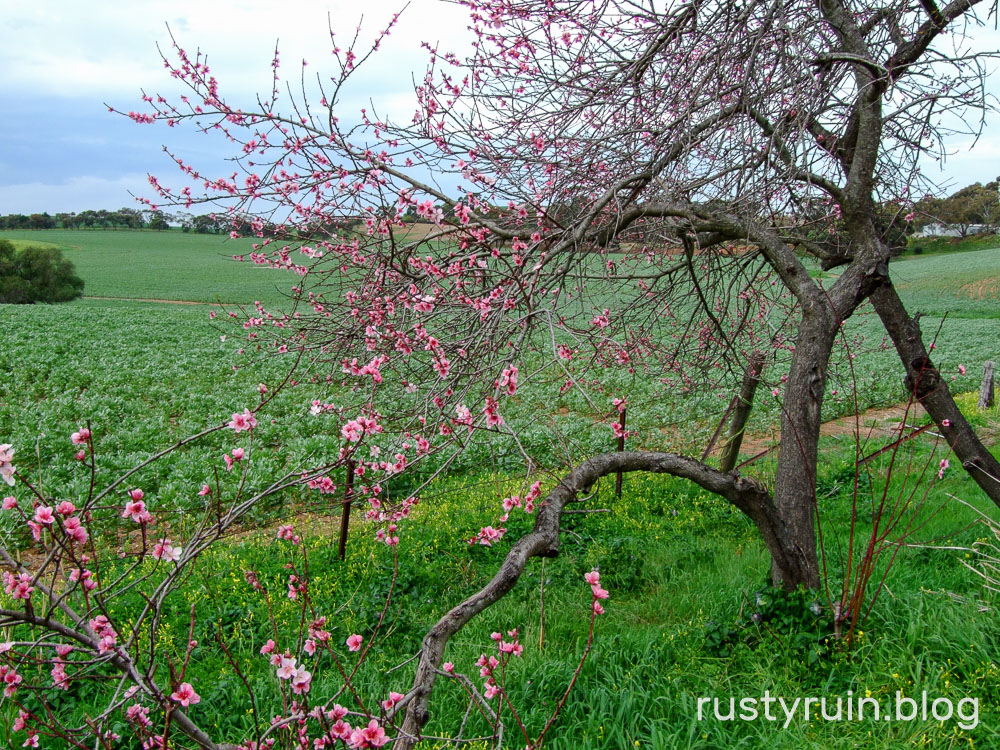
Setting the camera to the Fuji-chrome setting and Fine JPG seemed to enhance the blues and purples in this photo. Maybe it was the combination of the cloud, sunlight, shade, subject, and white balance, but there’s a really strong look to the image. I haven’t added additional colour in editing.
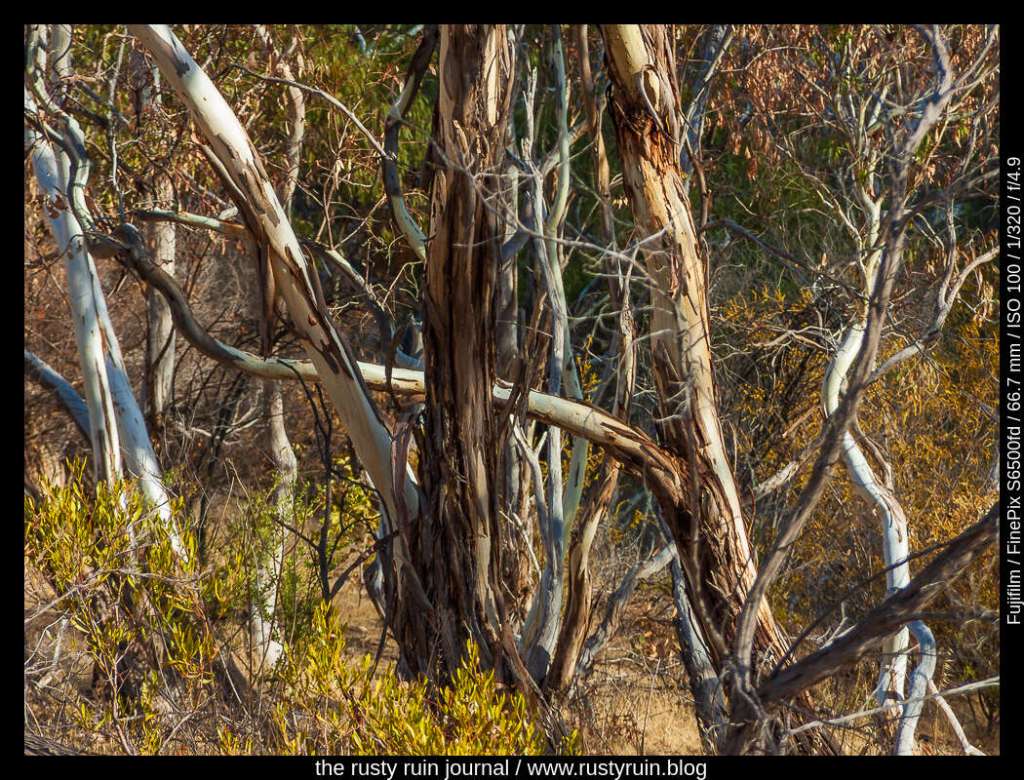
For the above photo, I decided to set the camera to generate RAF files – CCD-RAW in the settings menu. I wasn’t even sure they’d open in Lightroom, but they did, and I’m pretty pleased. This provides more latitude and flexibility during editing. As you can see above, I was able to draw out pretty good detail in the shadows and sharpen the image in specific areas. It’s not easy to see without magnifying in Lightroom, but there’s some beautiful detail and tonality in the bark. Hard to believe from this piece of old gear.

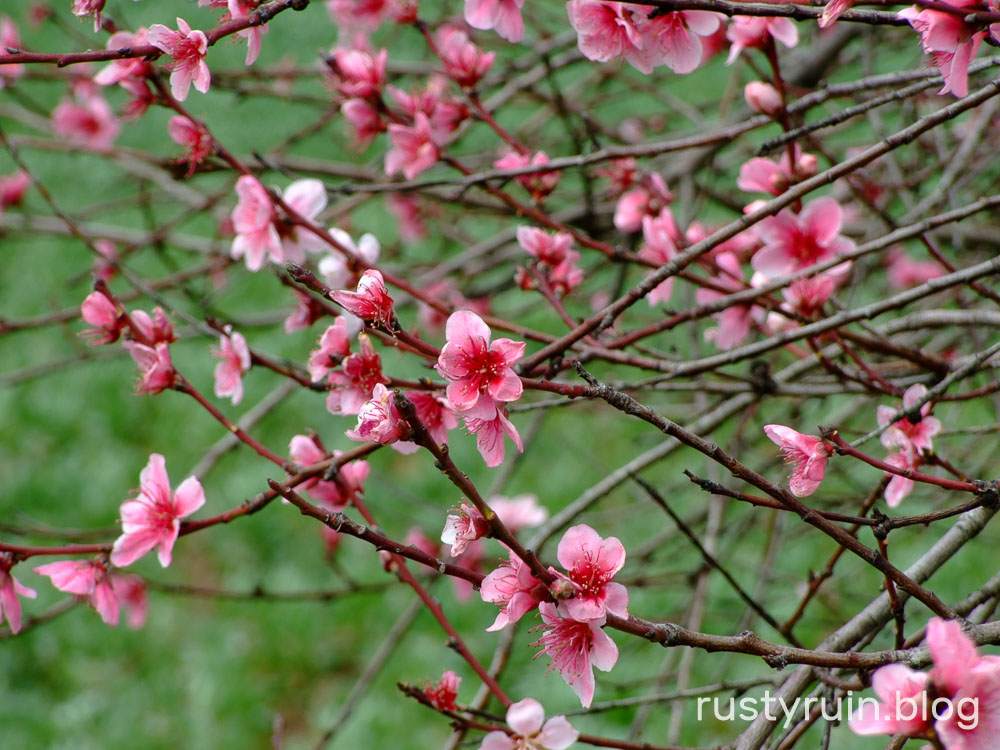
Finally, one of my favourite features on old bridge cameras is the Macro and Super-Macro modes, at the touch of a button. It’s so handy for getting up close when there’s good available light for a decent shutter speed. I usually wander handheld, so there’s no tripod involved. Steady hands and good light are a must under these circumstances. It’s a JPG (wish I’d set to CCD-RAW), but the colour and range of tonality is still impressive. The best photos from this camera, like the S7000, seem to have a versimillitude about them. Note to self: set this camera to make RAF files from now on!






 The Rusty Ruin Journal